Creator Collaboration Software for Electronics Brands
Electronics brands operate in one of the most review-driven, specification-sensitive categories in social commerce. Every product launch — from flagship smartphones to wireless earbuds — depends on coordinated creator campaigns where timing, messaging accuracy, and embargo compliance can make or break a launch window. Managing dozens of tech reviewers, unboxing creators, and affiliate partners across YouTube, TikTok, and Instagram requires more than spreadsheets and group chats.
Organizing tech review embargo campaigns adds another layer of complexity. Creators need early access to devices, NDA agreements, approved talking points with correct specs, and synchronized publish dates. A single premature leak can undermine months of product marketing. Yet most influencer marketing software was never built for this level of operational rigor.
Socialscale is the creator collaboration software purpose-built for brands that need end-to-end control over creator programs — from onboarding and asset distribution to embargo scheduling, content approval, and performance tracking. For electronics brands running seasonal launches, always-on affiliate creator programs, and social commerce storefronts, it replaces fragmented tools with a single operating system that keeps every campaign on track.
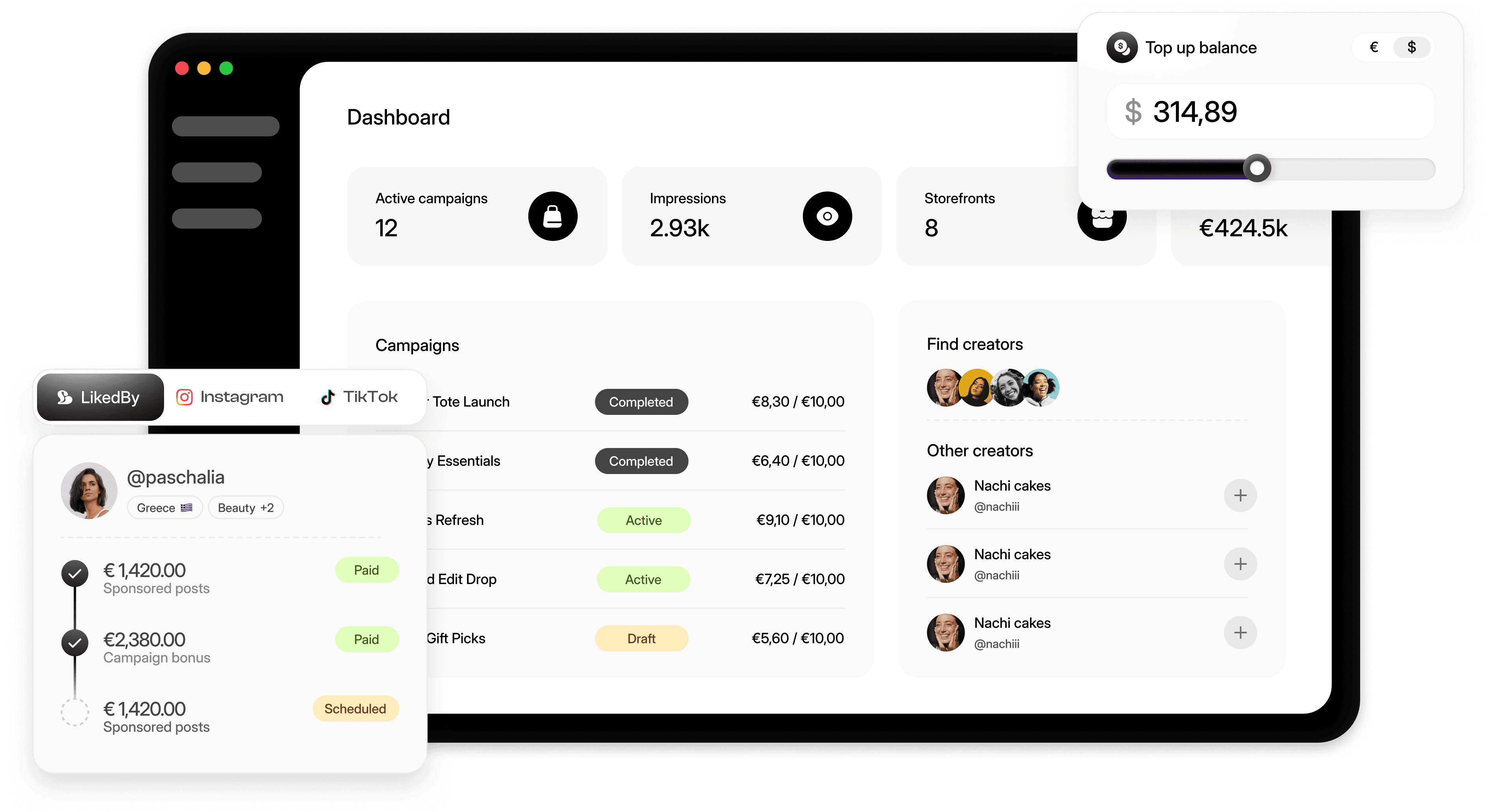
Embargo Coordination Across Time Zones and Platforms
Electronics launches often involve creators across North America, Europe, and Asia. Coordinating a single embargo lift time across YouTube, TikTok, and Instagram — while accounting for platform-specific upload lead times — is operationally demanding. A single creator publishing early can cascade into competitive leaks and lost earned media value.
Spec Sheet Accuracy and Messaging Compliance
Tech reviewers need precise specifications, benchmark data, and approved feature claims. Unlike lifestyle categories, electronics content is scrutinized by technically literate audiences. Distributing outdated spec sheets or inconsistent messaging across 40+ creators leads to public corrections and brand credibility damage.
High-Volume Asset Management
A single product launch can generate hundreds of assets: product images at multiple angles, lifestyle photography, b-roll footage, comparison charts, and branded overlays. Creators need access to the right assets for their platform format without downloading irrelevant files from bloated shared drives.
Tracking Creator Performance Across Long Sales Cycles
Electronics purchases often involve multi-touch research journeys. A viewer may watch three YouTube reviews before purchasing. Attribution models that only credit last-click miss the upstream creators who drove consideration, making it difficult to fairly evaluate creator ROI.
Managing Tiered Creator Programs
Electronics brands typically work with a mix of macro tech reviewers, mid-tier lifestyle-tech creators, and micro affiliate partners. Each tier has different deliverables, compensation structures, and approval workflows. Running all three tiers through the same undifferentiated process creates bottlenecks and miscommunication.
Product Seeding Logistics and Tracking
Shipping pre-release hardware to creators requires tracking which units went where, whether NDAs were signed, and whether devices need to be returned post-review. Losing track of seeded units — especially unreleased prototypes — creates security and financial risk.
Content Repurposing for Shoppable Commerce
Creator reviews and unboxing videos are among the highest-converting content types for electronics. Yet most brands fail to systematically collect, organize, and embed this content as shoppable content on PDPs and category pages, leaving conversion value on the table.
Spreadsheets Cannot Enforce Embargo Discipline
Tracking embargo dates, NDA status, and publish confirmations in spreadsheets relies entirely on manual follow-up. There is no automated alerting when a creator misses a deadline, no centralized view of who has confirmed their publish time, and no audit trail if something goes wrong. For electronics brands running simultaneous launches across product lines, this approach does not scale.
Generic Influencer Platforms Lack Asset and Approval Depth
Most influencer marketing software focuses on discovery and outreach. They were not designed for the operational complexity of distributing versioned spec sheets, collecting draft content for technical accuracy review, and managing multi-round approval workflows where engineering teams need to verify claims before publication.
Communication Fragments Across Email, Slack, and DMs
When creator communication lives in email threads, Slack channels, and Instagram DMs simultaneously, critical information gets lost. A creator asks about a spec in a DM, gets an answer in email, and the campaign manager has no record of what was communicated. This fragmentation is especially dangerous during embargo periods when precise, documented communication is essential.
No Connection Between Content and Commerce
Traditional tools treat creator content as a marketing deliverable that lives on social platforms. They offer no pathway to bring that content back onto owned channels — product pages, landing pages, or creator storefronts — where it can directly influence purchase decisions. For electronics brands investing heavily in social commerce, this disconnect wastes high-intent content.
How Socialscale Powers Creator Collaborations for Electronics Brands
Socialscale provides electronics brands with a unified creator marketing platform that handles every stage of creator collaboration — from initial outreach and NDA collection through embargo management, content approval, and post-campaign performance analysis. Instead of stitching together five or six disconnected tools, teams operate from a single system designed for the operational rigor that electronics launches demand.
At the core of the platform, creator collaborations are structured as campaigns with defined timelines, deliverables, approval gates, and publish schedules. Each collaboration tracks its own status — from creator acceptance through draft submission, revision, approval, and confirmed publication. Campaign managers see a real-time dashboard showing exactly where every creator stands relative to the embargo date.
Beyond campaign execution, Socialscale connects creator content to commerce. Approved review videos and unboxing content can be organized in Creator Drive, then embedded as shoppable content on product pages using native widgets. This closes the loop between creator marketing spend and measurable revenue — giving electronics brands the attribution clarity they need to justify and scale their creator programs.
Feature Breakdown: Built for Electronics Launch Operations
Embargo Campaign Builder
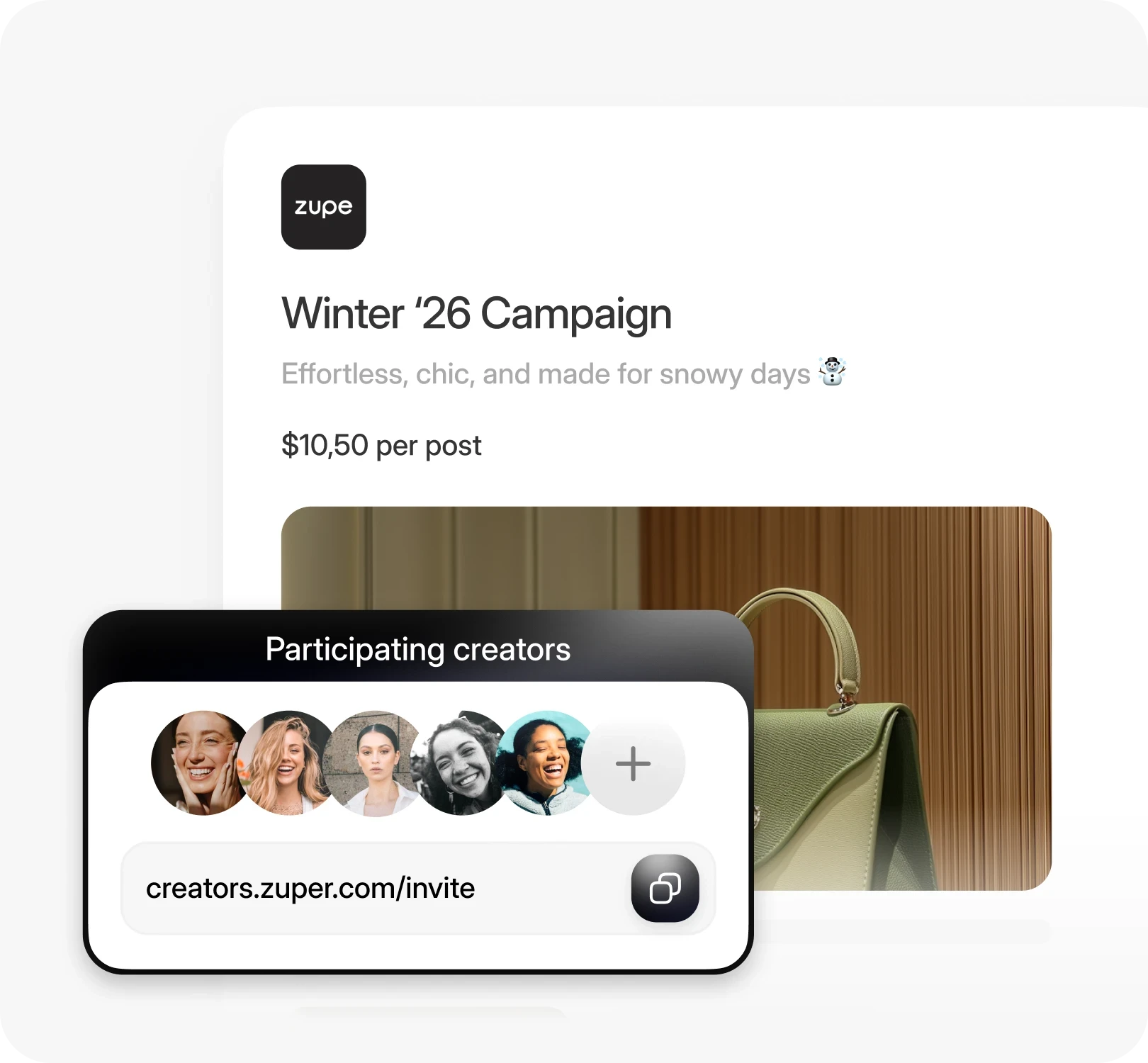
Create campaigns with hard embargo dates, platform-specific publish windows, and automated reminders. Each creator in the campaign sees their own timeline with clear deadlines for draft submission, revision rounds, and final publish confirmation. Campaign managers receive alerts when creators are approaching deadlines without action, enabling proactive follow-up rather than reactive scrambling.
Creator CRM with Tiered Segmentation
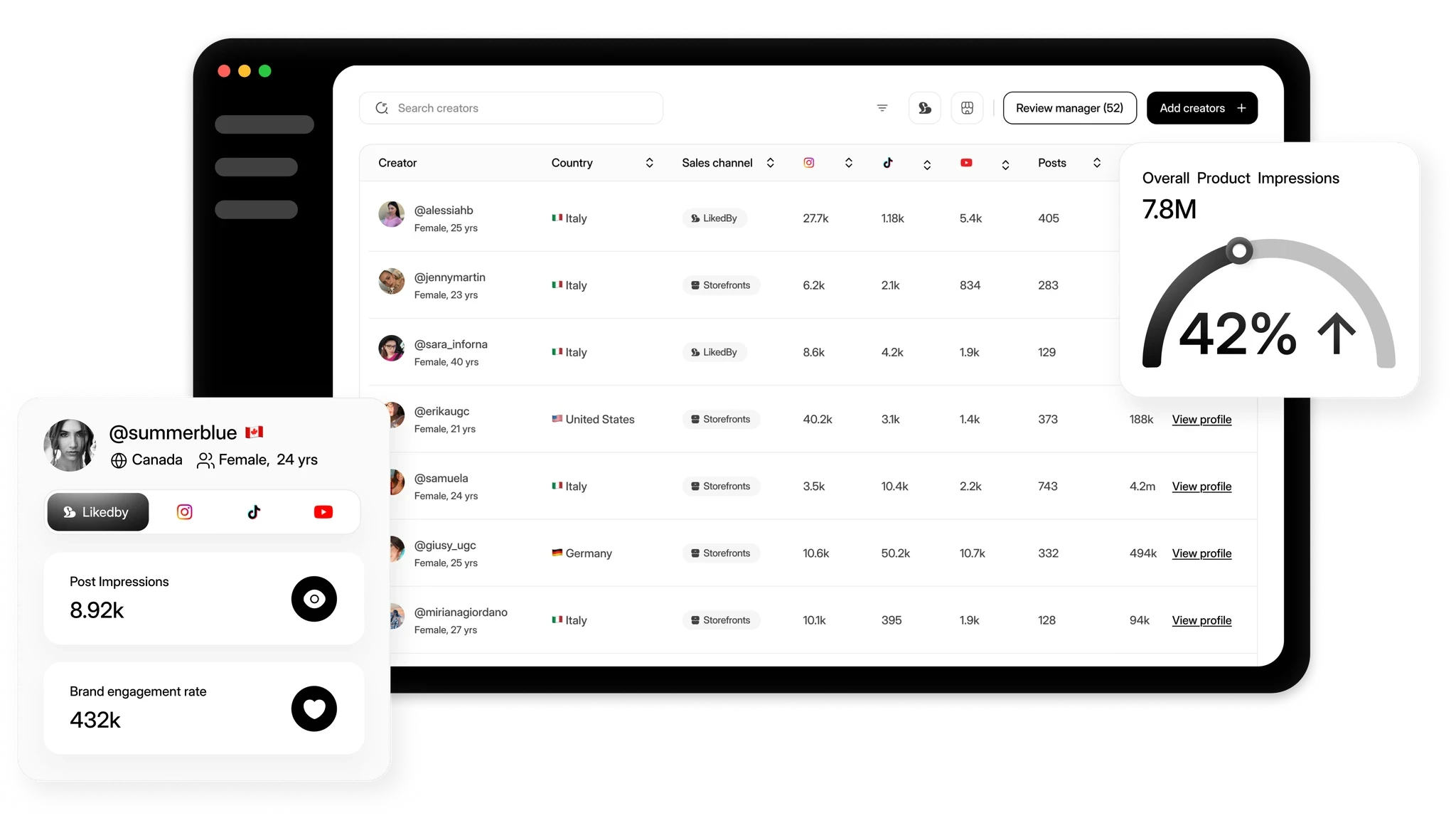
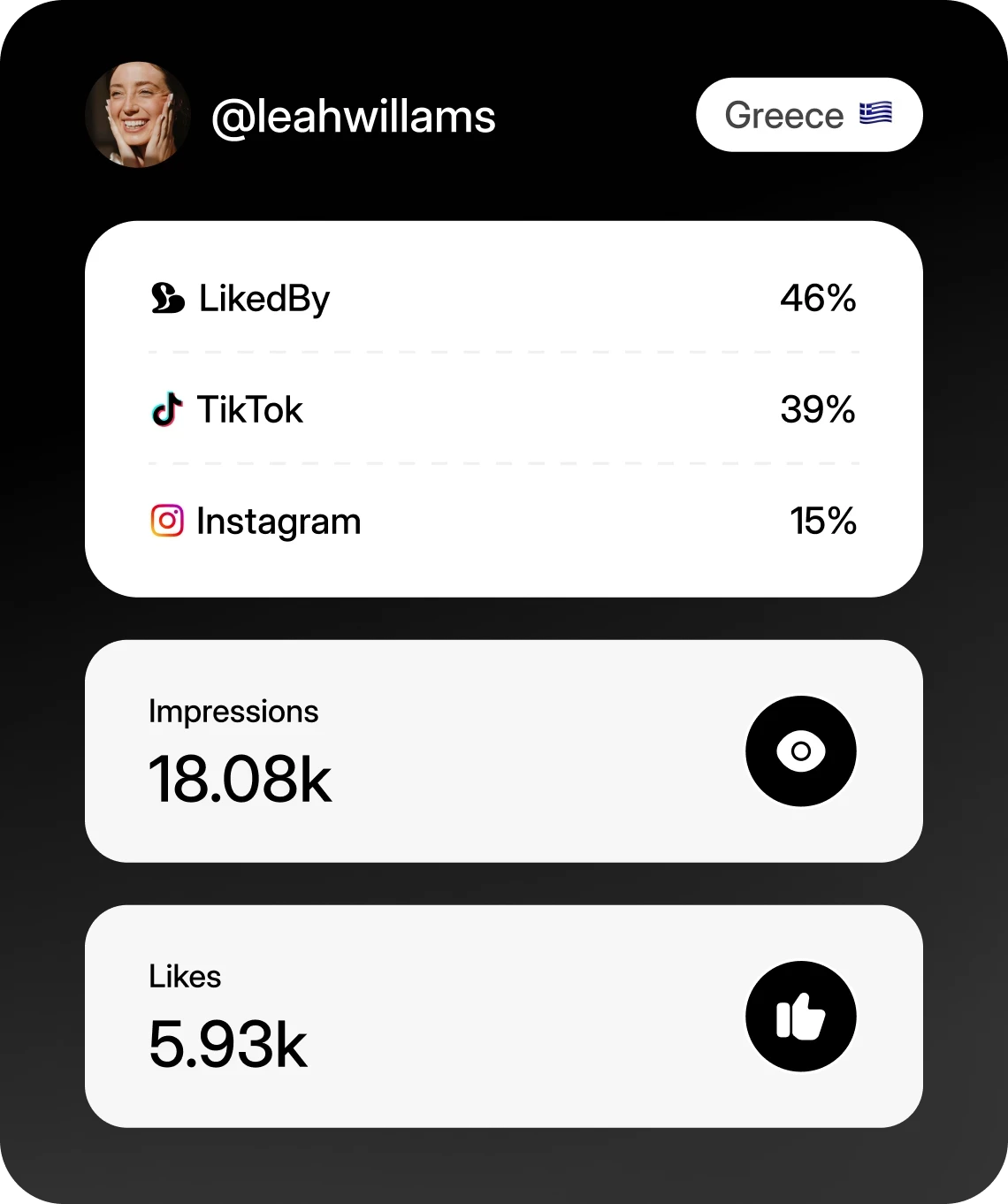
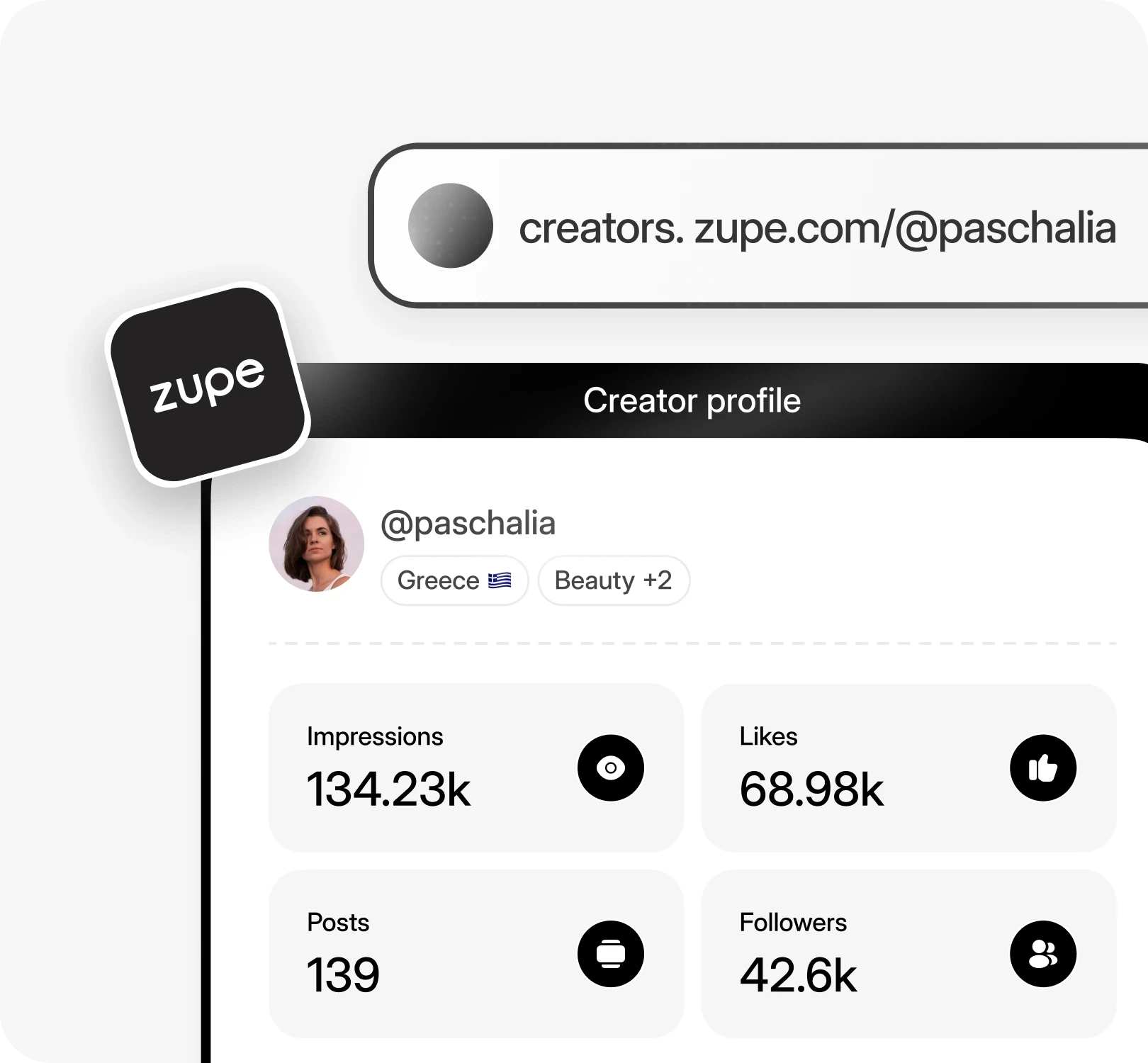
The built-in creator CRM lets electronics brands organize their roster by tier (macro reviewers, mid-tier tech-lifestyle, micro affiliates), product category expertise (smartphones, audio, wearables, PC hardware), platform strength, and past campaign performance. When planning a new launch, teams can filter and shortlist creators based on actual historical data rather than follower counts alone.
Centralized Asset Distribution
Upload spec sheets, product images, b-roll packages, and brand guidelines into organized campaign folders. Assign asset access by creator tier — macro reviewers get early benchmark data, while affiliate creators receive lifestyle imagery and talking points. Version control ensures that when a spec changes pre-launch, every creator automatically sees the updated document.
Multi-Round Content Approval Workflows
Electronics content often requires review by both marketing and product engineering teams. Socialscale supports multi-stage approval workflows where a draft video script can be reviewed by the brand team for messaging, then routed to a product manager for technical accuracy, before final approval is granted. Each round is timestamped and documented.
Creator Performance Analytics
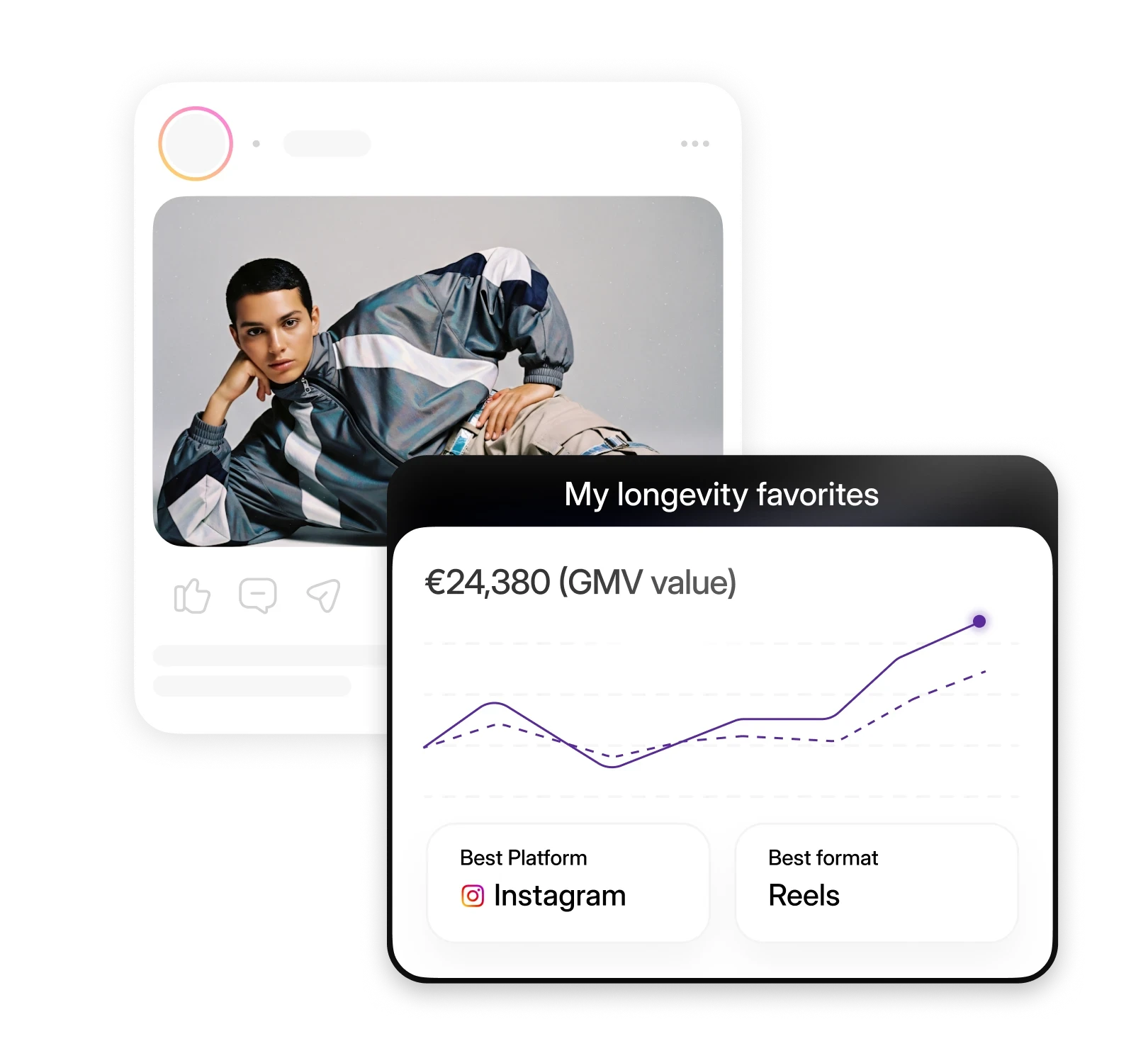
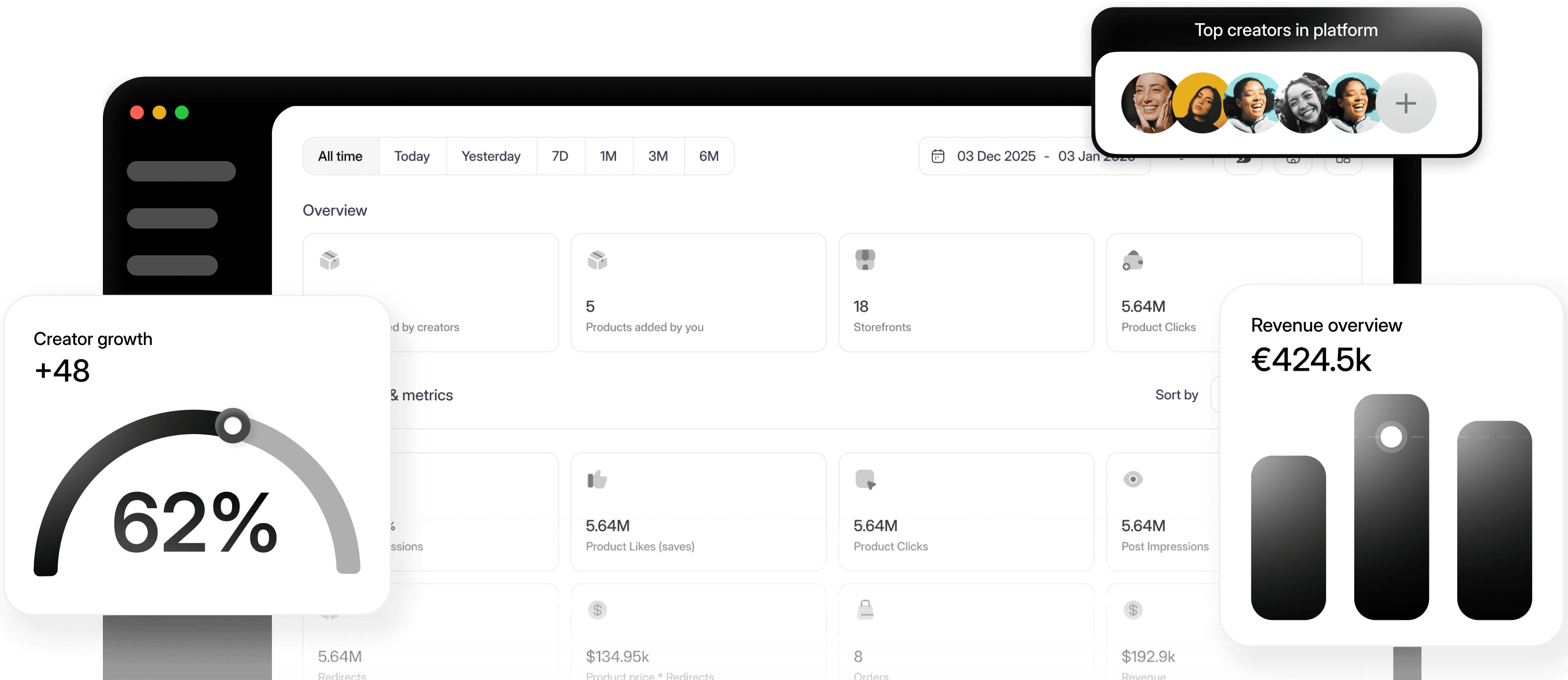
Track views, engagement, click-through rates, and conversion data at the individual creator and campaign level using the creator analytics dashboard. For electronics brands running affiliate creator programs, monitor which creators drive the most product page visits, add-to-cart actions, and completed purchases. Compare performance across product launches to identify your highest-value creator relationships.
Shoppable Content Embedding
Approved creator content — review clips, unboxing highlights, comparison videos — can be embedded directly on product detail pages, category pages, and dedicated landing pages using Socialscale widgets. This transforms creator content from a social-only asset into an on-site conversion tool, directly supporting social commerce revenue goals.
NDA and Agreement Tracking
Attach NDA templates and collaboration agreements to campaign invitations. Track signature status for every creator in the campaign. No creator receives product shipment or asset access until their agreement is confirmed, creating an automated compliance gate that protects unreleased product information.
Use Cases for Electronics Brands
Flagship Smartphone Launch with Staggered Embargo
A smartphone brand plans a global launch with a two-phase embargo: hands-on preview content lifts 72 hours before the full review embargo. Forty-three creators across three continents receive early units, each assigned to either the preview or full review wave. Draft reviews are submitted for spec verification. Publish times are staggered by time zone so that coverage cascades across regions throughout the launch day, maximizing sustained visibility rather than a single spike.
Always-On Affiliate Program for Audio Products
A headphones and speakers brand runs a year-round affiliate creator program with 120 micro and mid-tier creators. Each creator has a personalized storefront with affiliate links to the brand's product catalog. Monthly content briefs go out with seasonal angles — back-to-school, holiday gift guides, workout playlists. The brand tracks which creators consistently drive conversions and adjusts commission tiers quarterly based on performance data.
CES Pre-Briefing and Coordinated Coverage
Ahead of CES, a consumer electronics company pre-briefs 25 top tech creators on three new product announcements under strict NDA. Each creator receives a tailored asset package based on their content format — long-form YouTube reviewers get detailed spec documents and interview access, while TikTok creators receive short-form b-roll and key talking points. All content is approved and scheduled to publish within a 90-minute window following the keynote.
UGC Collection Campaign for Smart Home Devices
A smart home brand seeds its latest smart display to 60 lifestyle-tech creators with a brief focused on real home integration scenarios. Creators submit unboxing and setup content showing the device in their actual living spaces. The brand collects the highest-performing UGC, organizes it by room type and use case, and embeds it as shoppable content across product pages and a dedicated landing page — driving both social proof and direct purchase conversion.
Weekly and Monthly Operational Workflow
Running creator collaborations for electronics brands requires a structured cadence that aligns with product development timelines, launch calendars, and always-on affiliate programs. Below is a practical workflow that electronics marketing teams can follow using Socialscale.
Campaign Planning and Creator Shortlisting (4–6 Weeks Before Launch)
Define campaign objectives, deliverables, and embargo dates. Use the creator CRM to filter and shortlist creators by product category expertise, platform, tier, and past performance metrics. Build the campaign in Socialscale with all timeline milestones.
Outreach, NDA Collection, and Onboarding (3–4 Weeks Before Launch)
Send campaign invitations through the platform. Creators review deliverables, compensation terms, and embargo requirements. NDAs are attached and tracked — no creator advances to the next stage until their agreement is signed and confirmed.
Product Seeding and Asset Distribution (2–3 Weeks Before Launch)
Ship pre-release units and log tracking information within each creator's collaboration record. Distribute spec sheets, approved imagery, b-roll, and brand guidelines through campaign-specific asset folders. Confirm receipt with each creator.
Content Creation and Draft Submission (1–2 Weeks Before Launch)
Creators produce their content and submit drafts through the platform. Marketing reviews for brand alignment and messaging accuracy. Product or engineering teams review for technical correctness. Revision requests are documented and tracked through the approval workflow.
Final Approval and Publish Scheduling (3–5 Days Before Embargo Lift)
Approved content is confirmed for publication. Each creator receives their specific publish time based on platform and time zone. Automated reminders fire at 48-hour, 24-hour, and 2-hour intervals before the embargo lift. Campaign managers monitor the real-time status dashboard.
Embargo Lift and Launch Day Monitoring (Day 0)
Monitor publish confirmations as they come in. Flag any creators who miss their window for immediate follow-up. Track early engagement metrics — views, likes, comments, click-throughs — across all platforms in the analytics dashboard.
Post-Launch Performance Tracking (Week 1–4 After Launch)
Aggregate performance data across all creators and platforms. Identify top-performing content by engagement, traffic driven, and conversions attributed. For affiliate creator programs, monitor sales data and commission accrual. Generate reports for stakeholders.
Content Repurposing and Commerce Integration (Ongoing)
Collect top-performing creator content into organized folders. Embed selected videos and images as shoppable content on product pages and campaign landing pages. Refresh embedded content monthly based on performance data and seasonal relevance.
Key Performance Metrics for Electronics Creator Campaigns
Electronics brands need to track metrics that reflect both the marketing impact and commercial return of their creator programs. Socialscale surfaces these KPIs at the creator, campaign, and program level.
Creator Activation Rate: Percentage of invited creators who accept, sign agreements, and publish content on schedule.
Embargo Compliance Rate: Percentage of creators who publish within the approved embargo window without early leaks.
Content Approval Turnaround Time: Average time from draft submission to final approval, measured across approval stages.
Content Output Volume: Total pieces of content produced per campaign, segmented by platform and format.
Click-Through Rate (CTR): Rate at which viewers click creator-provided links to product pages or storefronts.
Conversion Rate (CVR): Percentage of creator-referred traffic that completes a purchase.
Gross Merchandise Value (GMV): Total revenue generated through creator-attributed transactions.
Return on Ad Spend (ROAS): Revenue generated relative to total creator program spend including product seeding costs, fees, and commissions.
Cost Per Acquisition (CPA): Total campaign cost divided by number of creator-attributed purchases.
Content Reuse Rate: Percentage of creator content that is repurposed as shoppable content on owned channels.
Creator Lifetime Value: Cumulative performance of individual creators across multiple campaigns, used to inform tier placement and reinvestment decisions.
Scenario: Wireless Earbuds Brand Launches Next-Gen Product Line
A mid-market wireless audio brand is launching two new earbud models — one premium noise-canceling model and one sport-focused model. The marketing team needs coordinated creator coverage across YouTube and TikTok, with a strict embargo tied to the online pre-order date.
The team uses Socialscale to build two parallel campaigns — one for each product — and shortlists 35 creators from their CRM based on audio product review history and platform performance data. Creators are segmented: 12 macro YouTube reviewers receive both products for comparison content, 15 mid-tier TikTok creators receive the sport model for lifestyle-fitness angles, and 8 affiliate micro-creators receive the premium model for always-on storefront promotion.
NDAs are distributed and tracked through the platform. All 35 creators sign within 5 days. Product units ship with tracking logged per creator. Spec sheets, comparison charts, and lifestyle imagery are distributed through tiered asset folders — YouTube reviewers get detailed technical documents while TikTok creators receive short-form b-roll and key feature callouts.
Draft content is submitted and routed through a two-stage approval process: marketing reviews messaging and brand alignment, then the audio engineering team verifies frequency response claims and ANC specifications. Average approval turnaround is 2.1 days across 47 content pieces.
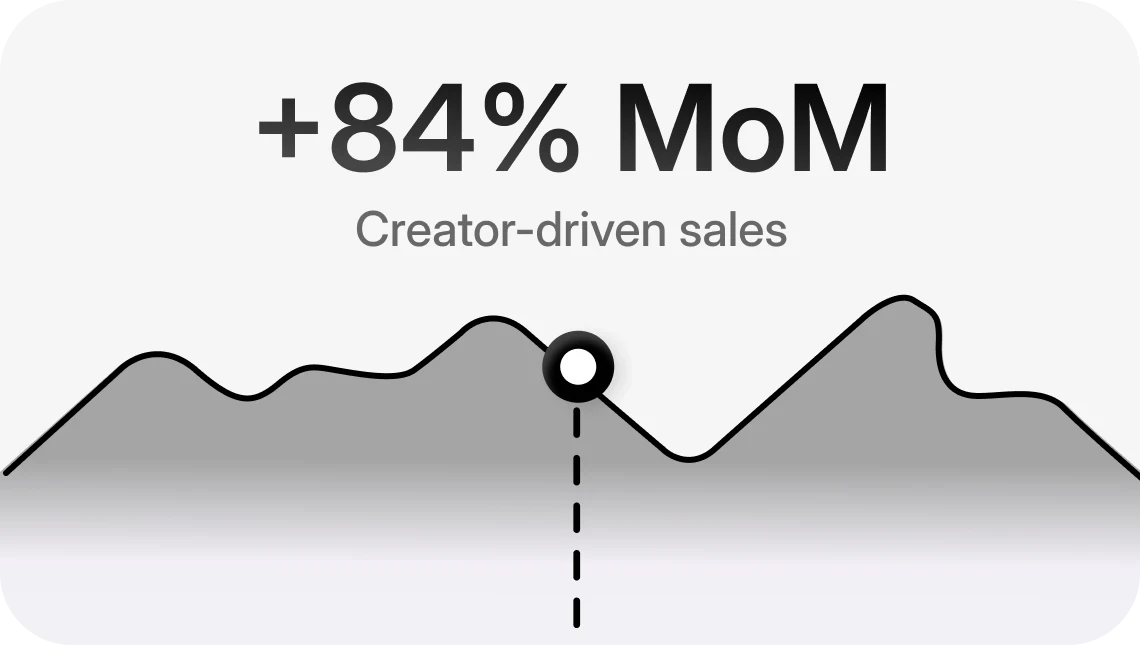
On embargo day, 34 of 35 creators publish within the designated window — a 97% embargo compliance rate. The one delayed creator publishes 3 hours late due to a platform upload issue, flagged and resolved through automated alerts. Within the first 14 days, the campaign generates 4.2 million total views, a 6.8% average CTR on product links, and 2,340 creator-attributed pre-orders. The sport model TikTok content outperforms projections by 40%, prompting the team to expand that creator segment for the next quarter. Top-performing review clips are collected and embedded as shoppable content on both product pages, contributing to a 22% increase in on-page conversion rate compared to pages without creator content.
How does Socialscale handle embargo management for electronics product launches?
Socialscale allows campaign managers to set hard embargo dates and platform-specific publish windows within each campaign. Creators see their individual timelines with clear deadlines. The system sends automated reminders at configurable intervals before the embargo lift and provides a real-time dashboard showing each creator's publish status. If a creator misses their window, the campaign manager is immediately alerted for follow-up.
Can we manage different creator tiers with different deliverables in the same campaign?
Yes. Within a single campaign, you can segment creators into tiers — for example, macro reviewers, mid-tier lifestyle creators, and micro affiliates — each with their own deliverable requirements, compensation structures, asset access levels, and approval workflows. This eliminates the need to run separate campaigns for each tier while maintaining operational clarity.
How does the platform support technical content approval for electronics products?
Socialscale supports multi-stage approval workflows. A draft can be reviewed first by the marketing team for brand and messaging alignment, then routed to a product or engineering team member for technical accuracy verification. Each approval stage is timestamped and documented, creating a clear audit trail of what was reviewed and approved before publication.
Can creator content be used on our product pages for social commerce?
Absolutely. Approved creator content — review clips, unboxing videos, lifestyle imagery — can be organized in Creator Drive and then embedded on product detail pages, category pages, and landing pages using Socialscale's shoppable content widgets. This turns creator content into an on-site conversion asset that supports social commerce goals beyond social platform reach alone.
What analytics does Socialscale provide for electronics creator campaigns?
The platform tracks engagement metrics (views, likes, comments, shares), traffic metrics (clicks, CTR), and commerce metrics (conversions, revenue, GMV) at the individual creator and campaign level. For affiliate creator programs, you can monitor sales attribution and commission data. Historical performance data is stored in the creator CRM, enabling data-driven decisions about which creators to reinvest in for future launches.