Creator Collaboration Software Built for Ecommerce Brands
Ecommerce brands that invest in creator programs face a compounding operational challenge: as the number of collaborations grows, so does the complexity of managing briefs, approvals, content assets, and performance data across dozens or hundreds of creators. Without a centralized system, teams lose hours each week to spreadsheet updates, scattered DMs, and manual tracking that never quite connects content output to revenue.
Socialscale is the operating system for social commerce, purpose-built to help ecommerce teams run creator collaborations from onboarding through performance tracking in a single workspace. Instead of stitching together a CRM, a file storage tool, a project management board, and an analytics dashboard, brands consolidate every step of the influencer campaign management workflow into one platform. The result is faster creator activation, tighter content pipelines, and clear attribution from creator content to storefront conversions.
Whether you run gifting campaigns, affiliate creator programs, or paid sponsorships, the ability to manage collaborations at scale determines whether your creator channel becomes a reliable revenue driver or an expensive experiment. This page breaks down exactly how ecommerce brands use dedicated creator collaboration software to solve that problem.
Core Challenges Ecommerce Brands Face with Creator Collaborations
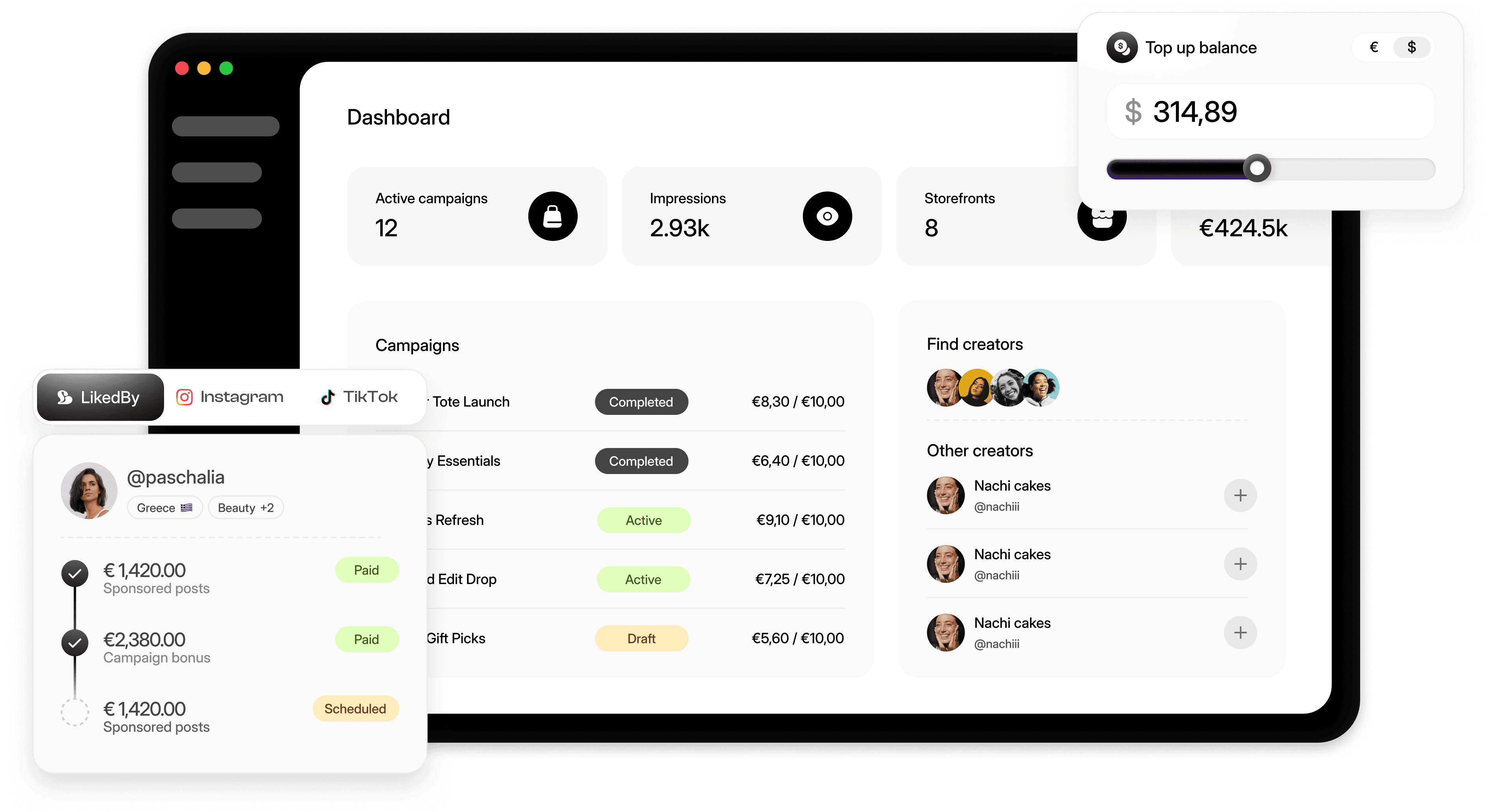
Running creator programs for ecommerce is fundamentally different from brand awareness influencer campaigns. Every collaboration must connect to product catalog, inventory timing, promotional calendars, and measurable revenue outcomes. Here are the most common operational challenges ecommerce teams encounter.
1. Fragmented Communication Across Channels
Creator outreach happens via email, Instagram DMs, TikTok messages, and WhatsApp. When collaboration details live across five different channels, briefs get lost, deadlines slip, and no one has a single view of where each creator stands in the pipeline.
2. Manual Tracking of Deliverables and Approvals
Most ecommerce teams still track content submissions, revision requests, and approval status in spreadsheets. With 30+ active creators, this becomes a full-time job that introduces errors and delays product launches tied to creator content.
3. Disconnected Content Storage
Approved creator assets end up scattered across Google Drive folders, Slack threads, and email attachments. When the merchandising team needs UGC for a product page or the paid media team wants to repurpose a top-performing video, finding the right file takes longer than it should.
4. No Clear Link Between Content and Revenue
Ecommerce brands need to know which creators drive clicks, add-to-carts, and conversions. Without integrated creator performance tracking, teams rely on vanity metrics like impressions and likes, which tell you nothing about ROAS or customer acquisition cost.
5. Scaling Beyond 20 Creators Breaks the Process
What works with 10 creators collapses at 50. Manual onboarding, one-off briefs, and ad hoc payment tracking create bottlenecks that prevent brands from scaling their creator channel alongside paid media and email.
6. Seasonal Campaign Coordination Is Chaotic
Ecommerce brands run on promotional calendars: Black Friday, holiday gifting, summer launches. Coordinating creator content drops with these windows requires precise scheduling that spreadsheets and DMs cannot reliably deliver.
7. Inability to Reuse and Redistribute Creator Content
High-performing creator content has value far beyond the original post. Brands that cannot efficiently organize, tag, and redistribute UGC across shoppable widgets, paid ads, and email campaigns leave significant revenue on the table.
Why Traditional Tools Fail Ecommerce Creator Programs
Most ecommerce teams attempt to manage creator collaborations using a patchwork of general-purpose tools. Here is why that approach consistently underperforms.
Project Management Tools Were Not Built for Creator Workflows
Tools like Asana, Monday, or Trello can track tasks, but they have no concept of a creator profile, a content submission, a product link, or a revenue attribution model. Teams end up building elaborate custom fields and automations that break the moment the program scales or a new campaign type is introduced.
Generic CRMs Lack Creator Context
Salesforce or HubSpot can store contact records, but they do not support creator-specific data: social handles, audience demographics, past collaboration history, content performance metrics, or affiliate link management. The result is a CRM that requires constant manual enrichment and still cannot answer basic questions like "which creators drove the most revenue last quarter."
File Storage Tools Create Content Silos
Google Drive and Dropbox store files, but they do not connect those files to the creator who produced them, the campaign they belong to, or the product they feature. When the ecommerce team needs to pull all approved video assets from a spring collection campaign, they are left searching through nested folders and hoping file names are consistent.
Influencer Marketplaces Focus on Discovery, Not Operations
Platforms like AspireIQ or Grin emphasize creator discovery and outreach, but ecommerce brands that have moved past the discovery phase need operational depth: collaboration workflows, content approval pipelines, asset management, shoppable content embedding, and revenue tracking. Discovery-first platforms often treat these as afterthoughts.
Spreadsheets Cannot Scale
The most common tool for managing creator programs is still a spreadsheet. It works for the first 10 creators. By creator 30, it becomes a liability: version control issues, no automated status updates, no content preview, no integration with your storefront, and no way to calculate creator-level ROAS without manual data pulls.
How Socialscale Solves Creator Collaboration for Ecommerce Brands
Socialscale replaces the patchwork of disconnected tools with a single creator marketing platform designed specifically for the operational demands of ecommerce. Every feature is built around the workflows that matter to brands selling products online: connecting creator content to product catalogs, tracking revenue attribution, and scaling programs without scaling headcount.
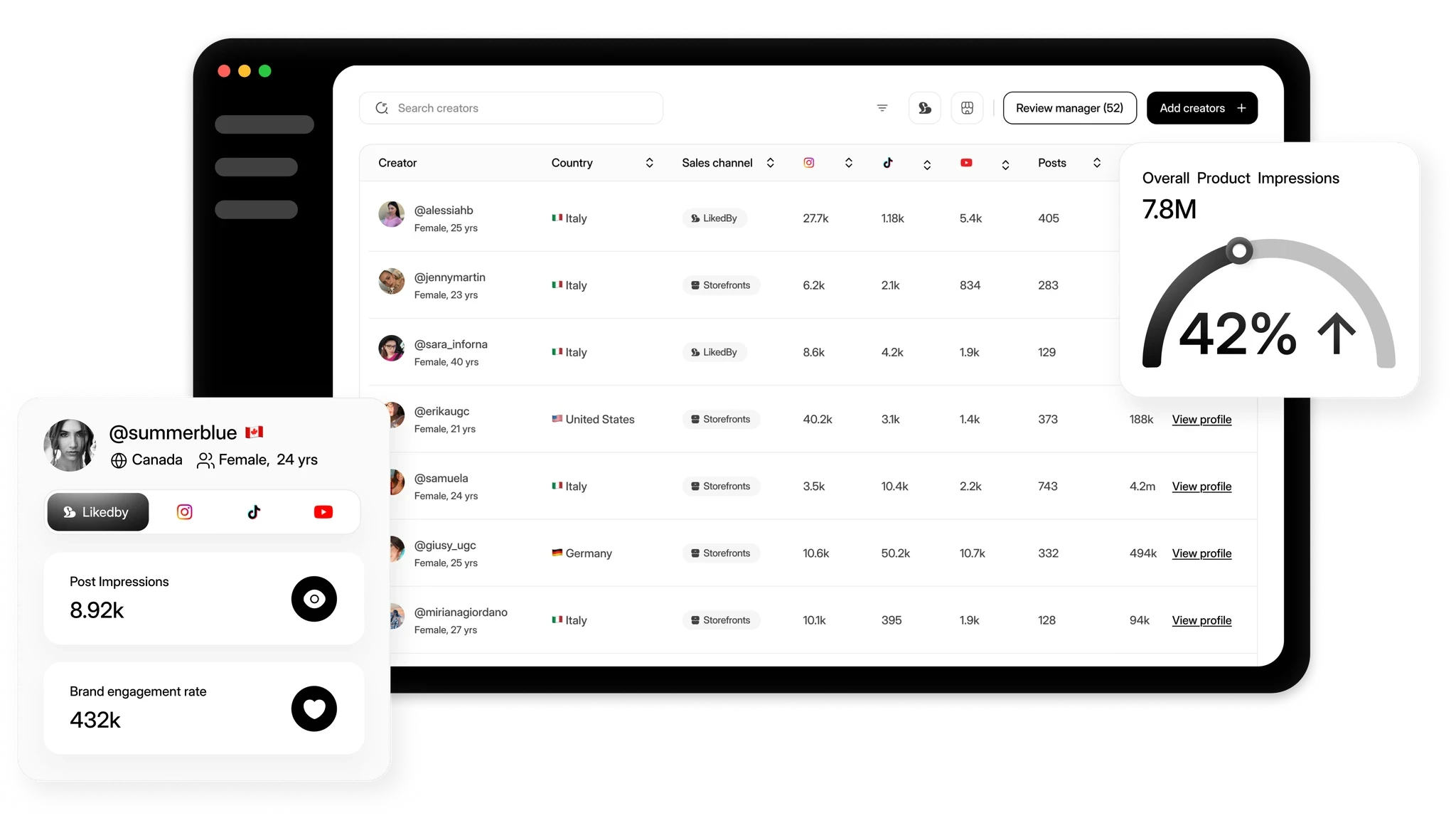
At its core, Socialscale provides a dedicated creator CRM that stores every piece of creator data in one place: social profiles, audience metrics, collaboration history, content submissions, and performance data. From this foundation, teams manage the entire collaboration lifecycle without switching between tools.
The platform's creator collaborations module handles campaign briefs, content submissions, revision workflows, and approval pipelines in a structured interface that replaces email threads and spreadsheet trackers. Combined with integrated creator analytics, ecommerce teams can see exactly which creators and which pieces of content drive clicks, conversions, and revenue.
For brands that want to embed creator content directly on their storefronts, Socialscale's shoppable content widgets turn approved UGC into conversion-driving assets on product pages, landing pages, and homepages. And every approved asset is automatically organized in a centralized content library, making UGC management effortless for cross-functional teams.
Feature Breakdown: What Ecommerce Teams Actually Use
Socialscale is not a feature checklist. Each capability maps to a specific operational workflow that ecommerce brands run weekly or monthly. Here is how the platform's core features translate to real work.
Creator Onboarding and Profile Management
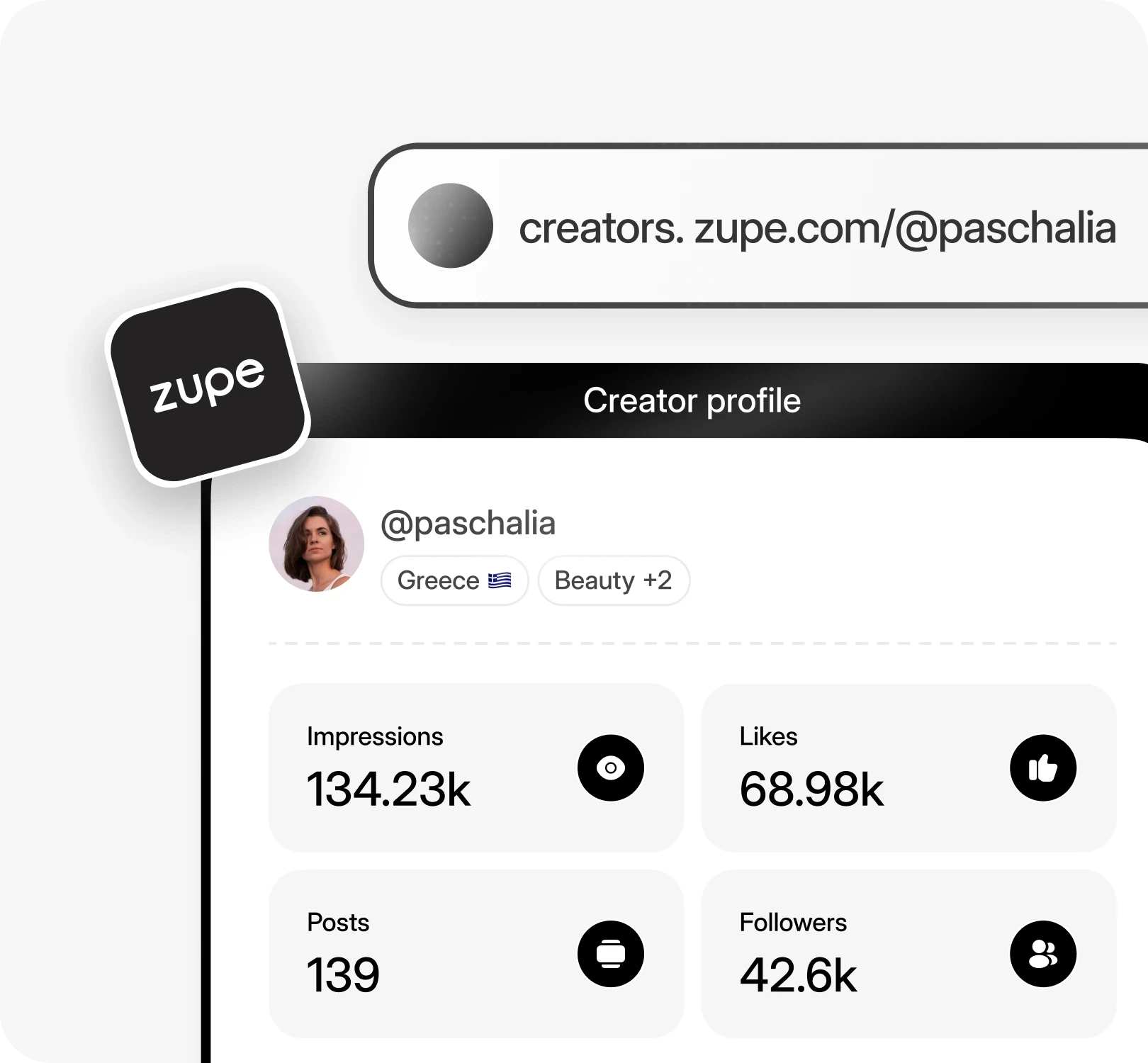
New creators are onboarded through branded intake forms that capture social handles, audience data, content preferences, shipping addresses for gifting campaigns, and tax information for paid collaborations. Each creator gets a unified profile that accumulates data over time, giving your team a complete history of every interaction, deliverable, and revenue contribution.
Campaign and Collaboration Management
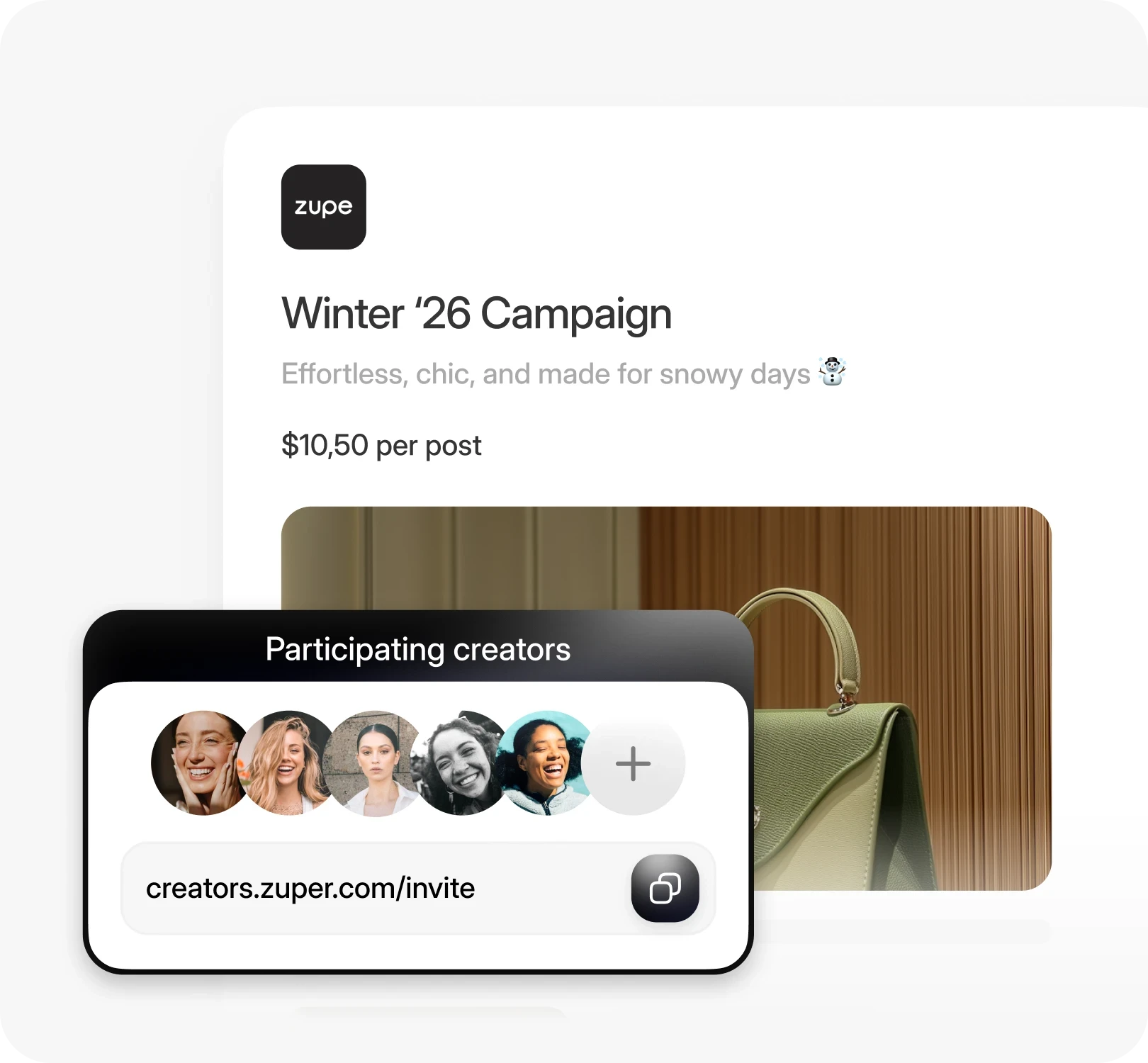
Create campaign briefs with specific deliverables, deadlines, product links, and messaging guidelines. Assign creators to campaigns individually or in bulk. Track each collaboration through defined stages: briefed, content submitted, in review, revision requested, approved, published. This eliminates the guesswork of "where does this creator stand" and replaces it with a visual pipeline your entire team can reference.
Content Submission and Approval Workflows
Creators submit content directly within the platform. Your team reviews, comments, requests revisions, or approves assets without leaving the collaboration view. Approved content is automatically tagged by campaign, product, creator, and content type, then stored in the centralized asset library for immediate reuse.
Centralized Content Library and UGC Management
Every piece of approved creator content lives in a searchable, filterable library. Filter by product SKU, campaign, creator, content format, or performance tier. The paid media team can pull top-performing videos for ad creative. The merchandising team can find product-specific UGC for collection pages. No more digging through shared drives or messaging the influencer marketing manager for files.
Shoppable Content Embedding
Turn creator content into shoppable experiences on your ecommerce storefront using creator widgets. Embed UGC galleries on product detail pages, category pages, or dedicated creator storefronts. Each widget connects directly to your product catalog, enabling customers to shop the look without leaving the page. This bridges the gap between social proof and purchase intent.
Creator Performance Tracking and Attribution
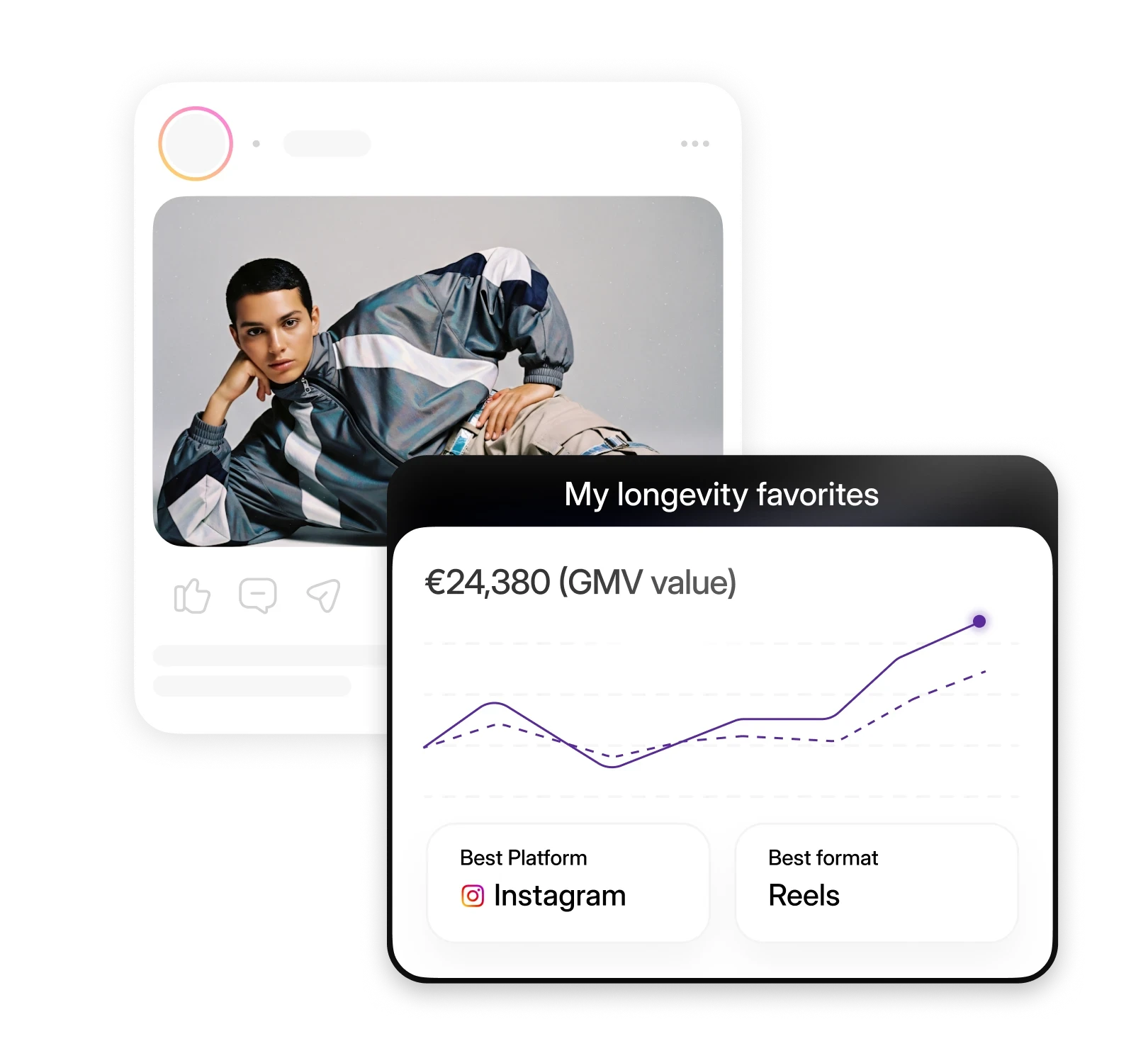
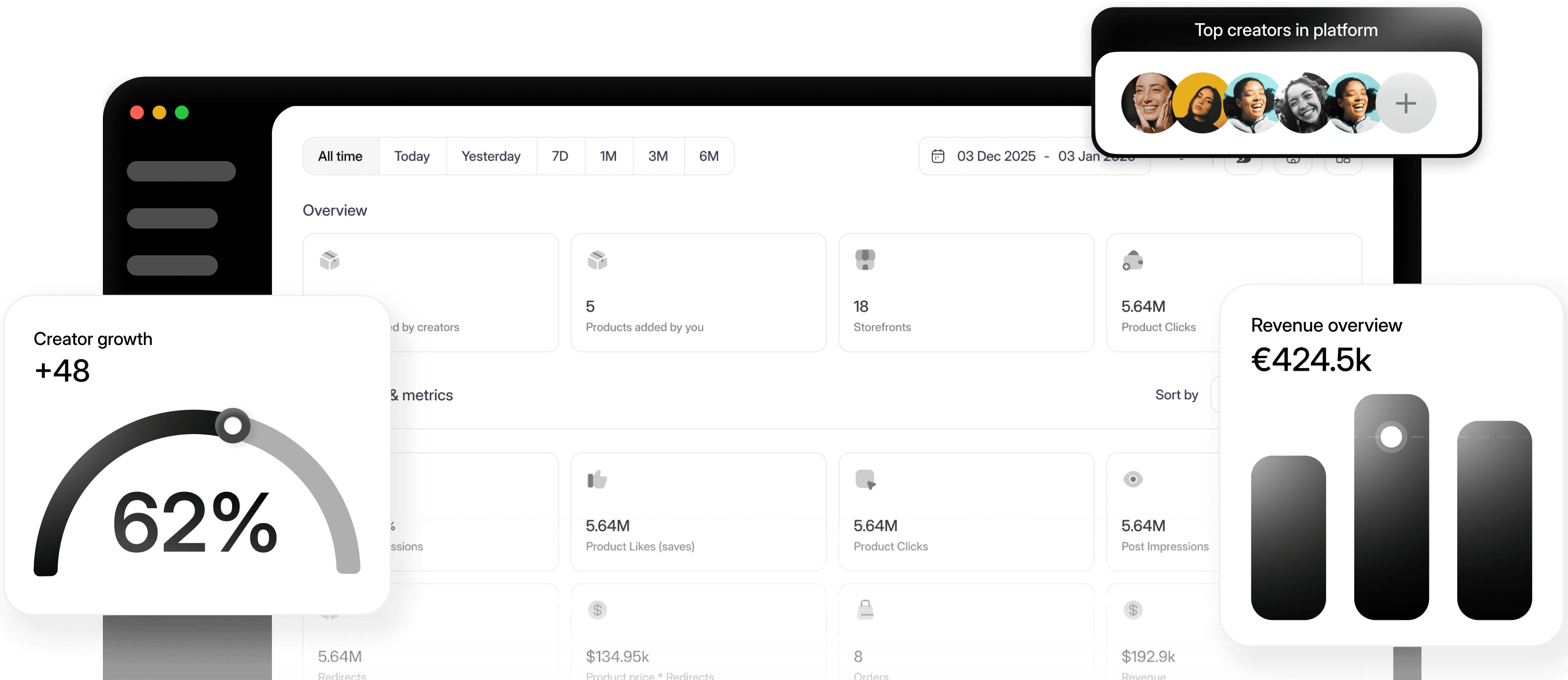
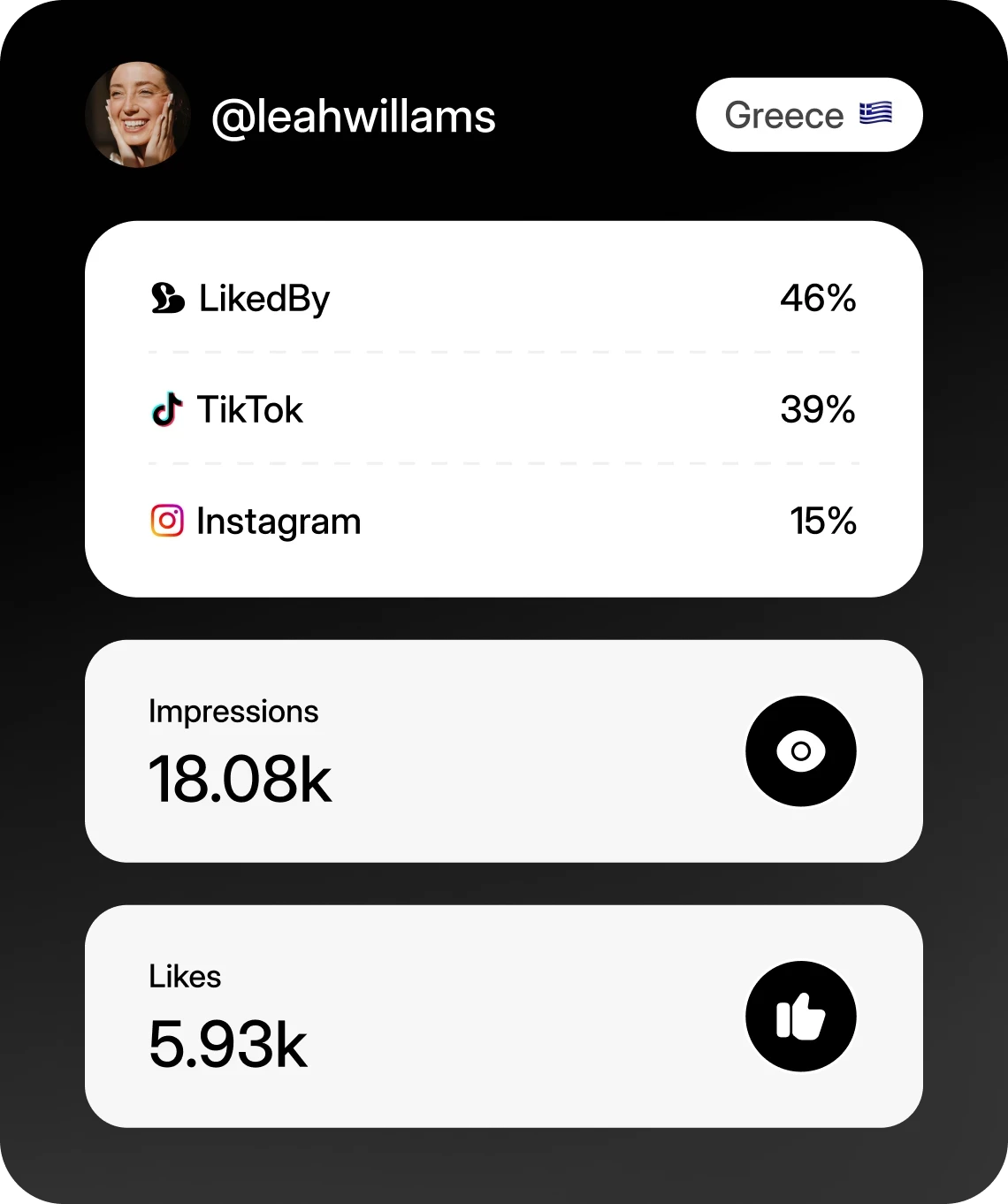
Track each creator's contribution beyond vanity metrics. Measure clicks, add-to-carts, conversions, revenue generated, and cost per acquisition at the creator level and the content level. Identify which creators consistently drive high-intent traffic and which content formats convert best for specific product categories.
Affiliate Link and Discount Code Management
Generate and assign unique affiliate links or discount codes to each creator. Track redemptions and attribute sales back to individual creators automatically. This is essential for affiliate creator programs where compensation is tied to performance.
Use Cases: How Ecommerce Brands Run Creator Collaborations
The following scenarios illustrate how ecommerce teams apply structured creator collaboration workflows to drive measurable results across different campaign types.
1. Seasonal Product Launch with 50+ Creators
A DTC skincare brand prepares for a summer product launch by activating 60 creators across Instagram and TikTok. Each creator receives a campaign brief with product samples, key messaging points, and a content deadline aligned to the launch date. Content submissions flow into a review queue where the brand team approves or requests revisions. Approved assets are scheduled for simultaneous publishing, creating a coordinated wave of creator content that drives traffic to the new product page on launch day. Shoppable UGC galleries go live on the product page the same morning, converting organic social traffic into purchases.
2. Always-On Affiliate Creator Program
A fashion ecommerce brand runs a continuous affiliate program with 120 creators. Each creator has a unique affiliate link and discount code. Monthly, the brand sends updated product picks and seasonal briefs. Creators produce content on their own schedules, and the brand tracks which creators generate the most revenue per post. Top performers receive higher commission tiers and early access to new collections. The brand reviews creator-level ROAS monthly to optimize the roster, pausing underperformers and recruiting new creators in high-performing niches.
3. UGC Harvesting for Paid Media and On-Site Conversion
A home goods ecommerce brand runs quarterly gifting campaigns specifically to generate high-quality UGC. Creators receive products and produce unboxing, styling, and review content. The brand's paid media team selects top-performing organic posts and repurposes them as ad creative on Meta and TikTok. Simultaneously, the ecommerce team embeds the same content as shoppable galleries on product pages, increasing on-site conversion rates by providing authentic social proof at the point of purchase.
4. Micro-Creator Seeding for New Market Entry
An ecommerce brand expanding into a new geographic market seeds products to 80 micro-creators in the target region. The goal is to generate localized content and build brand awareness among a new audience. Each creator's content is tracked for engagement rate, follower growth impact, and referral traffic. After 90 days, the brand identifies the top 15 creators by conversion performance and offers them long-term ambassador contracts, creating a reliable content and revenue pipeline in the new market.
Weekly and Monthly Operational Workflow
Running a creator collaboration program for ecommerce requires consistent operational rhythms. Here is a step-by-step workflow that high-performing ecommerce teams follow using dedicated creator collaboration software.
Creator Recruitment and Onboarding (Ongoing) – Source new creators through inbound applications, social listening, or outbound outreach. Onboard accepted creators through branded intake forms that capture all necessary profile data, shipping details, and content preferences. Store everything in the creator CRM for immediate access.
Campaign Brief Creation (Monthly or Per Campaign) – Build campaign briefs that include product details, key messaging, content format requirements, deadlines, and any promotional codes or affiliate links. Assign briefs to selected creators based on audience fit, past performance, and product category alignment.
Product Seeding and Fulfillment (Per Campaign) – Coordinate product shipments to creators using shipping addresses stored in creator profiles. Track delivery status to ensure creators receive products before the content creation window opens.
Content Submission and Review (Weekly) – Monitor incoming content submissions. Review each piece against the campaign brief. Approve content that meets standards, request revisions with specific feedback for content that needs adjustments. Aim for a 48-hour turnaround on all reviews to keep creators engaged and campaigns on schedule.
Content Publishing and Distribution (Per Campaign) – Coordinate publishing dates with creators to align with promotional calendars. Simultaneously deploy approved UGC to shoppable widgets on your storefront. Share top assets with the paid media team for ad creative testing.
Performance Monitoring (Weekly) – Review creator-level and content-level performance metrics: impressions, clicks, conversions, revenue, and ROAS. Flag underperforming collaborations for follow-up. Identify top-performing content for amplification through paid channels or homepage placement.
Creator Roster Optimization (Monthly) – Analyze 30-day performance data to rank creators by revenue contribution, content quality, and reliability. Promote top performers to higher tiers with better compensation or exclusive access. Pause or offboard creators who consistently underperform or miss deadlines.
Reporting and Cross-Functional Sharing (Monthly) – Generate reports that summarize program-level KPIs: total content produced, revenue attributed to creators, average ROAS, content approval rates, and creator activation rates. Share with leadership, paid media, and merchandising teams to inform broader marketing strategy.
Key Performance Metrics for Ecommerce Creator Collaborations
Tracking the right KPIs ensures your creator program is accountable to revenue outcomes, not just content volume. Here are the metrics ecommerce brands should monitor at the program, campaign, and creator level.
Creator Activation Rate – Percentage of onboarded creators who complete at least one collaboration within 30 days. Target: above 70%.
Content Approval Rate – Percentage of submitted content approved on first review. Low rates indicate brief clarity issues. Target: above 80%.
Average Approval Turnaround Time – Hours or days between content submission and final approval. Target: under 48 hours.
Content Output per Creator – Average number of approved assets per creator per campaign. Useful for forecasting content volume.
Click-Through Rate (CTR) – Percentage of viewers who click through from creator content to your storefront. Benchmark varies by platform.
Conversion Rate (CVR) – Percentage of creator-referred visitors who complete a purchase. Compare against other traffic sources.
Gross Merchandise Value (GMV) Attributed to Creators – Total revenue generated through creator affiliate links, discount codes, and tracked referral traffic.
Creator-Level ROAS – Revenue generated divided by total cost (product, shipping, payment) per creator. Essential for roster optimization.
Cost Per Acquisition (CPA) via Creator Channel – Total program spend divided by number of new customers acquired through creator content.
UGC Reuse Rate – Percentage of approved creator content repurposed across paid ads, email, or on-site widgets. Higher reuse rates increase content ROI.
Shoppable Widget Conversion Rate – Conversion rate of on-site shoppable creator content widgets compared to standard product page elements.
Scenario: DTC Wellness Brand Scales Creator Program from 15 to 120 Creators
A direct-to-consumer wellness brand selling supplements and functional beverages through Shopify had been running a small creator program managed entirely through spreadsheets and email. The team of two could handle 15 active creators, but the process consumed roughly 20 hours per week in manual coordination, content tracking, and performance reporting.
The Problem
The brand wanted to scale to 100+ creators to support a new product line launch and an always-on affiliate program. At 15 creators, the team was already at capacity. Scaling 8x without adding headcount required a fundamentally different operational approach. Content was stored across three Google Drive folders and two Slack channels. Performance data required manual exports from Instagram, TikTok, and Shopify, then reconciliation in a spreadsheet that took a full day to update each month.
The Approach
The brand implemented a dedicated creator collaboration platform to centralize every workflow. Creators were onboarded through branded intake forms. Campaign briefs were distributed through the platform with product links, deadlines, and messaging guidelines attached. Content submissions, reviews, and approvals moved into a structured pipeline. Approved assets were automatically organized by product, campaign, and creator. Shoppable UGC widgets were embedded on 40 product pages. Each creator received a unique affiliate link with automated revenue tracking.
Results After 90 Days
Active creator roster grew from 15 to 120 without adding team members.
Weekly time spent on creator management dropped from 20 hours to 8 hours.
Content approval turnaround improved from 5 days to 1.5 days on average.
Total approved content assets increased from 30 per month to 210 per month.
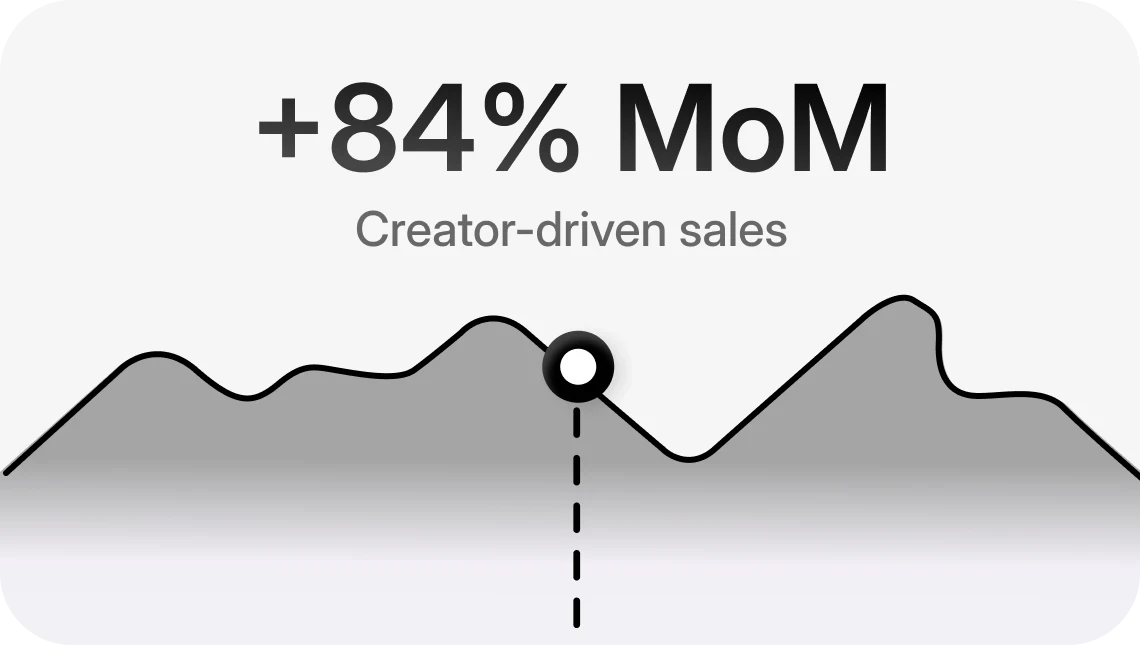
Creator-attributed revenue grew from $18,000/month to $142,000/month.
On-site shoppable UGC widgets achieved a 3.2% conversion rate, outperforming standard product page imagery by 40%.
Average creator-level ROAS reached 6.8x across the affiliate program.
The brand's paid media team also repurposed 35% of approved creator content as ad creative, reducing creative production costs by an estimated $12,000 per quarter.
Frequently Asked Questions
How is creator collaboration software different from an influencer marketing platform?
Influencer marketing platforms typically focus on creator discovery, outreach, and campaign measurement at a high level. Creator collaboration software goes deeper into the operational layer: managing briefs, content submissions, approval workflows, asset organization, and revenue attribution at the individual creator and content level. For ecommerce brands, this operational depth is what enables scaling from a handful of creators to hundreds without proportional increases in team size.
Can I manage both paid sponsorships and affiliate creator programs in the same platform?
Yes. Ecommerce brands commonly run multiple collaboration types simultaneously: paid sponsorships with fixed fees, gifting campaigns with no monetary compensation, and performance-based affiliate programs with commission structures. A dedicated creator collaboration platform supports all three models within the same workspace, with separate tracking for costs, deliverables, and revenue attribution per collaboration type.
How does shoppable creator content work on my Shopify store?
Approved creator content is embedded on your Shopify storefront through widgets that display UGC galleries on product pages, collection pages, or dedicated landing pages. Each piece of content is linked to specific products in your catalog, so customers can click through directly to add items to their cart. This turns social proof into a conversion mechanism at the point of purchase, rather than relying solely on off-site social media traffic.
What size creator program does this software support?
Creator collaboration software is designed to scale. Whether you work with 20 creators or 500, the platform's structured workflows, automated tracking, and centralized asset management prevent the operational bottlenecks that typically emerge as programs grow. Most ecommerce brands see the greatest efficiency gains when scaling beyond 30 active creators, which is the point where manual processes typically break down.
How do I measure whether my creator program is actually driving revenue?
Revenue attribution for creator programs relies on a combination of unique affiliate links, discount codes, and referral tracking integrated with your ecommerce platform. Creator collaboration software aggregates this data at the creator level and campaign level, showing you exactly how much revenue each creator generates, what their ROAS looks like, and how creator-driven traffic compares to other acquisition channels in terms of conversion rate and customer lifetime value.