Creator Collaboration Software for Ad Agencies: Streamline Asset Approval and Usage Rights Management
Ad agencies managing creator programs across multiple client accounts face a unique operational burden. Every campaign involves dozens of creators, hundreds of content assets, layered approval workflows, and complex usage rights that vary by client contract. Without a centralized system, asset approval bottlenecks delay launches, usage rights expire without notice, and creative teams waste hours chasing files across email threads and shared drives.
Socialscale gives ad agencies a purpose-built operating system for social commerce and creator marketing. From onboarding creators and managing collaborations to organizing assets with clear usage rights metadata, every step of the creator workflow lives in one place. Agencies can run influencer campaigns, affiliate creator programs, and UGC management workflows for multiple brands simultaneously—without the chaos of disconnected tools.
Whether your team is coordinating a product seeding campaign for a DTC skincare brand or managing shoppable content for a retail client's seasonal push, Socialscale replaces the patchwork of spreadsheets, cloud folders, and messaging apps with a structured, scalable platform built for how agencies actually work.
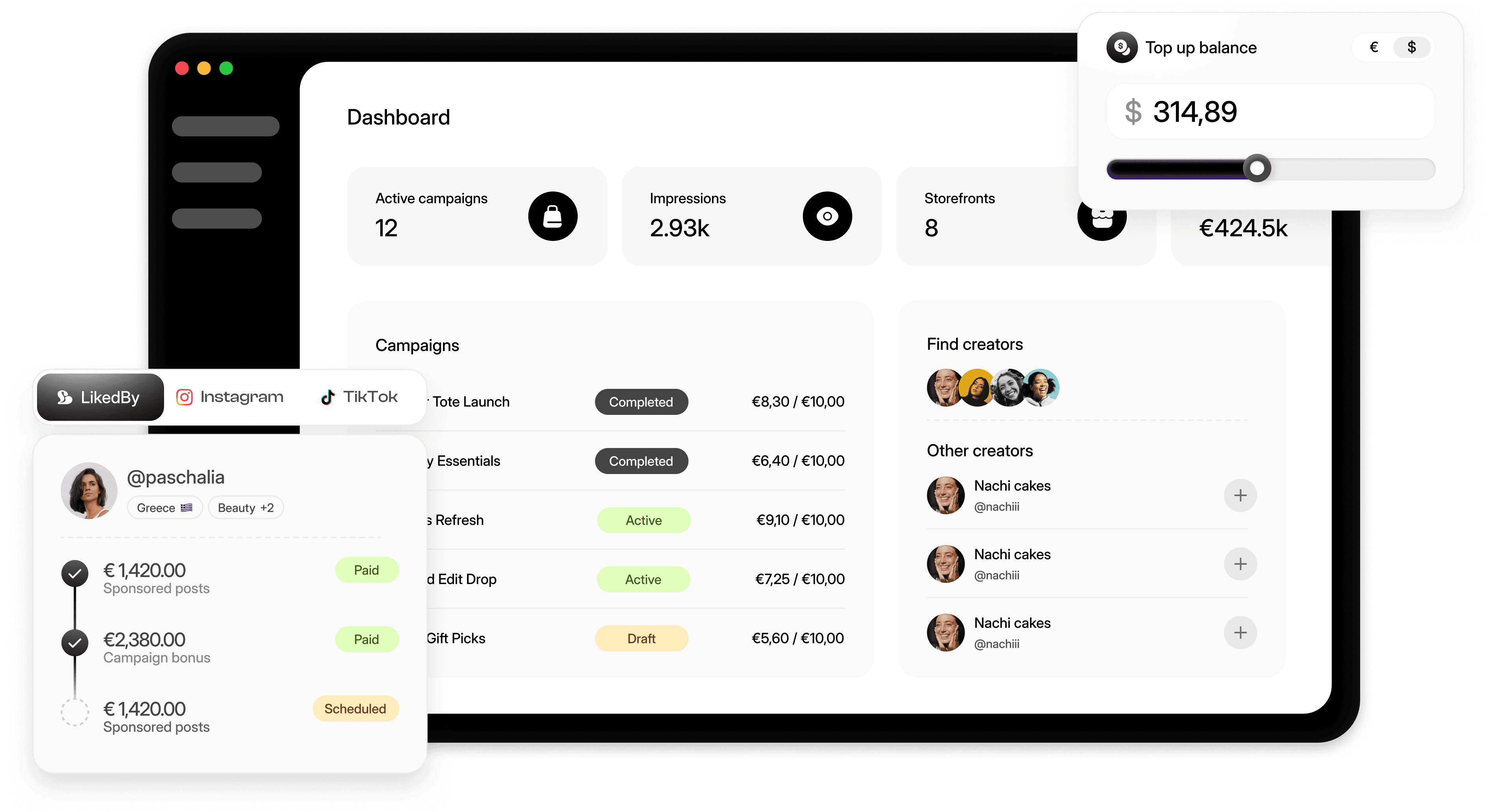
Managing Usage Rights Across Multiple Client Contracts
Every client has different usage rights terms—some require 90-day exclusivity, others need perpetual rights for paid media. Tracking these terms manually across dozens of active campaigns creates legal exposure and operational risk. When a rights window expires and an asset is still running in paid media, the agency bears the liability.
Approval Bottlenecks That Delay Campaign Launches
Creator content often passes through multiple approval layers: the agency's internal creative team, the client's brand manager, and sometimes a legal reviewer. Without a structured approval workflow, feedback gets lost in email chains, and campaigns miss their launch windows.
Asset Disorganization at Scale
Agencies running 10 or more client accounts simultaneously accumulate thousands of creator assets per quarter. Finding the right asset, confirming its approval status, and verifying its usage rights becomes a daily time sink for account managers and media buyers.
Creator Communication Fragmented Across Channels
Briefs go out via email, feedback happens in Slack, contracts live in DocuSign, and content gets submitted through Google Drive links. This fragmentation leads to missed deliverables, duplicated communication, and creators who feel unsupported.
No Centralized View of Creator Performance Across Clients
Agencies need to demonstrate ROI to each client, but performance data is scattered across TikTok, Instagram, YouTube, and affiliate platforms. Building client reports requires manual data pulls that consume hours every week.
Scaling Creator Programs Without Scaling Headcount
As agencies win new accounts, the creator operations workload grows linearly. Without automation and structured workflows, agencies are forced to hire more coordinators instead of improving efficiency.
Inconsistent Onboarding Experiences for Creators
When every account manager runs onboarding differently, creators receive inconsistent briefs, unclear deliverable expectations, and varying payment timelines. This damages the agency's reputation in the creator community and reduces repeat collaboration rates.
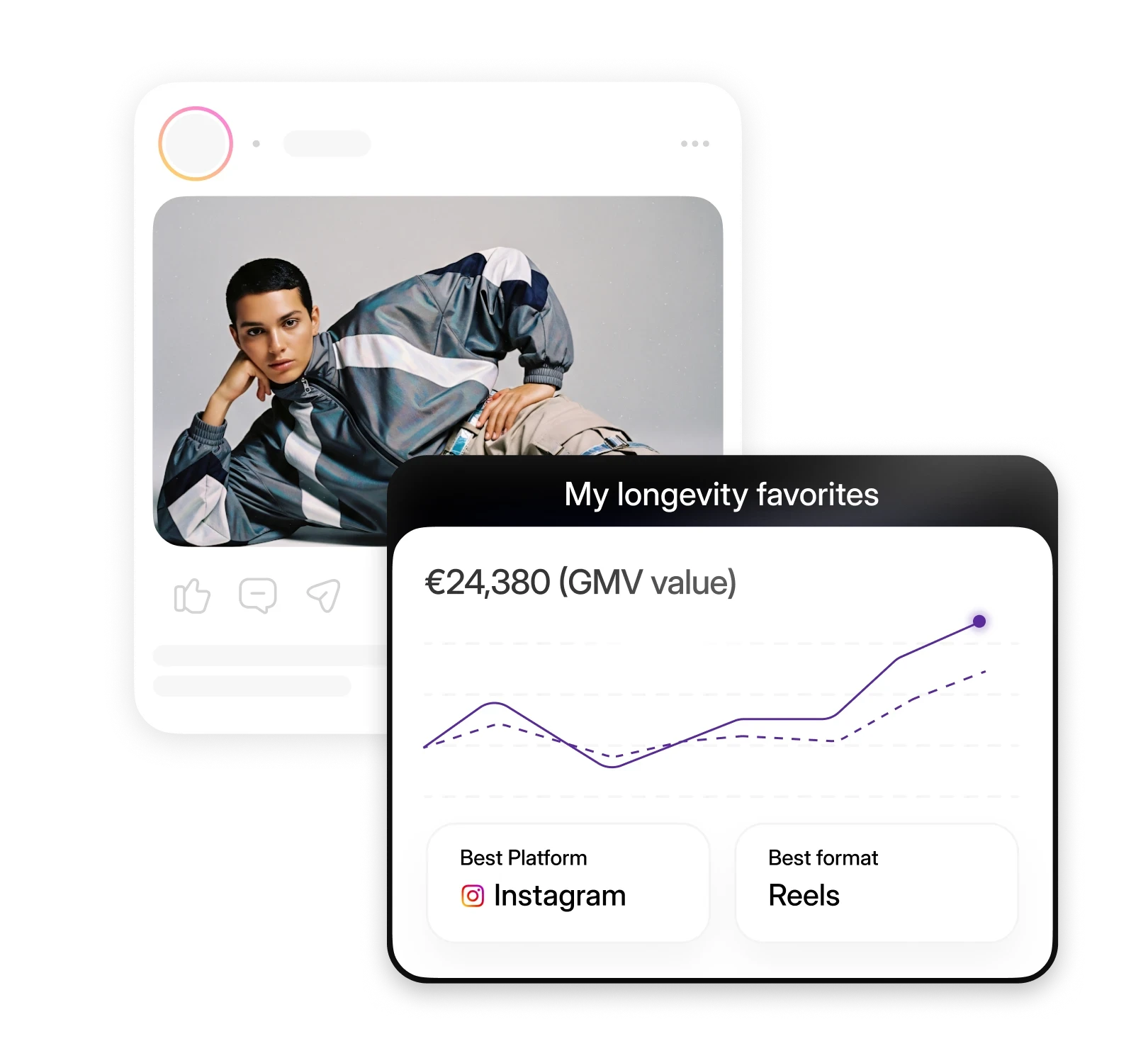
Spreadsheets Cannot Enforce Approval Workflows
Spreadsheets can track status labels, but they cannot enforce sequential approvals, send automated reminders when reviews are overdue, or prevent unapproved assets from being downloaded and used in campaigns. Agencies relying on spreadsheets for approval tracking inevitably encounter situations where draft content goes live or expired-rights assets remain in circulation.
Cloud Storage Lacks Content Context
Google Drive and Dropbox store files, but they do not attach usage rights metadata, approval status, creator identity, campaign association, or performance data to each asset. When a media buyer needs a specific approved asset for a paid social campaign, they cannot search by rights status or approval date—they have to ask someone.
Project Management Tools Were Not Built for Creator Workflows
Asana, Monday, and Trello can model generic workflows, but they lack native support for creator profiles, content submissions, revision tracking with visual previews, rights management fields, and integration with social platforms. Agencies end up building elaborate workarounds that break as soon as the team scales.
Point Solutions Create Data Silos
Using one tool for creator discovery, another for campaign management, a third for asset storage, and a fourth for analytics means no single system has a complete picture. Agencies cannot answer basic questions like "Which creators produced the highest-performing content with active usage rights?" without cross-referencing multiple platforms.
Email-Based Approvals Are Unauditable
When approvals happen over email, there is no reliable audit trail. If a client disputes whether they approved a piece of content, the agency has to dig through inboxes. This is especially problematic for regulated industries where documentation of approval is a compliance requirement.
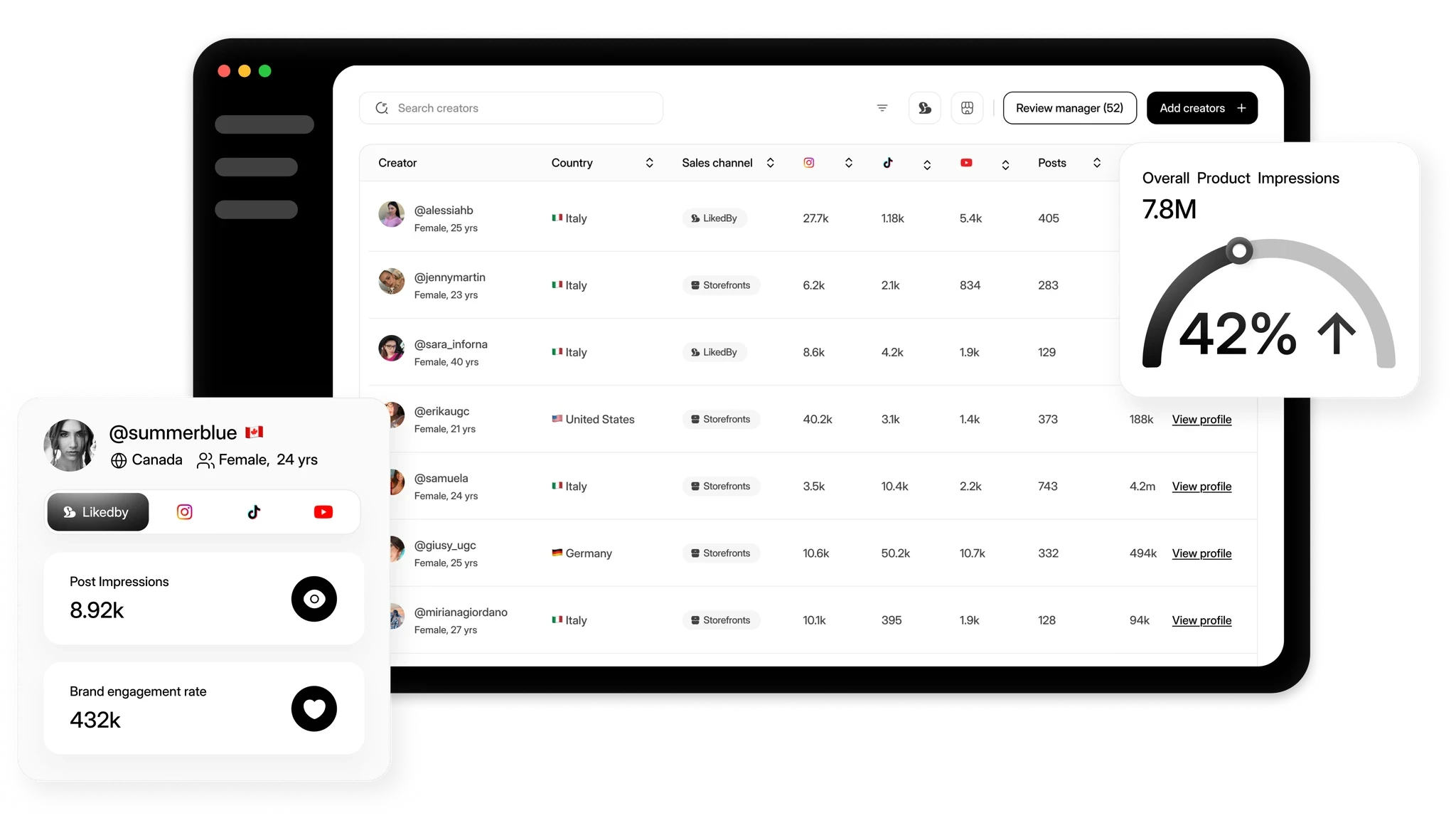
How Socialscale Solves Asset Approval and Usage Rights for Ad Agencies
Socialscale is a creator marketing platform designed to handle the full lifecycle of creator collaborations—from initial outreach and onboarding through content submission, multi-layer approval, rights tracking, and performance measurement. For ad agencies, this means running structured creator programs across every client account from a single workspace.
The platform's creator collaborations module lets agencies define approval workflows per client, set usage rights terms on every asset, and automate reminders when rights windows are approaching expiration. Every piece of content is tagged with its creator, campaign, client, approval status, and rights metadata—making it instantly searchable and auditable.
Asset organization happens inside Creator Drive, where agencies can store, filter, and share approved content with clients and media teams. Combined with built-in creator analytics, agencies can tie every asset back to its performance data—impressions, engagement, click-through rates, and revenue attribution—giving clients clear visibility into what is working and why.
For agencies managing affiliate creator programs and shoppable content, Socialscale connects creator output directly to commerce outcomes. Creator storefronts, embedded shoppable widgets, and performance tracking close the loop between content creation and revenue generation, making it easier to justify creator spend to ROI-focused clients.
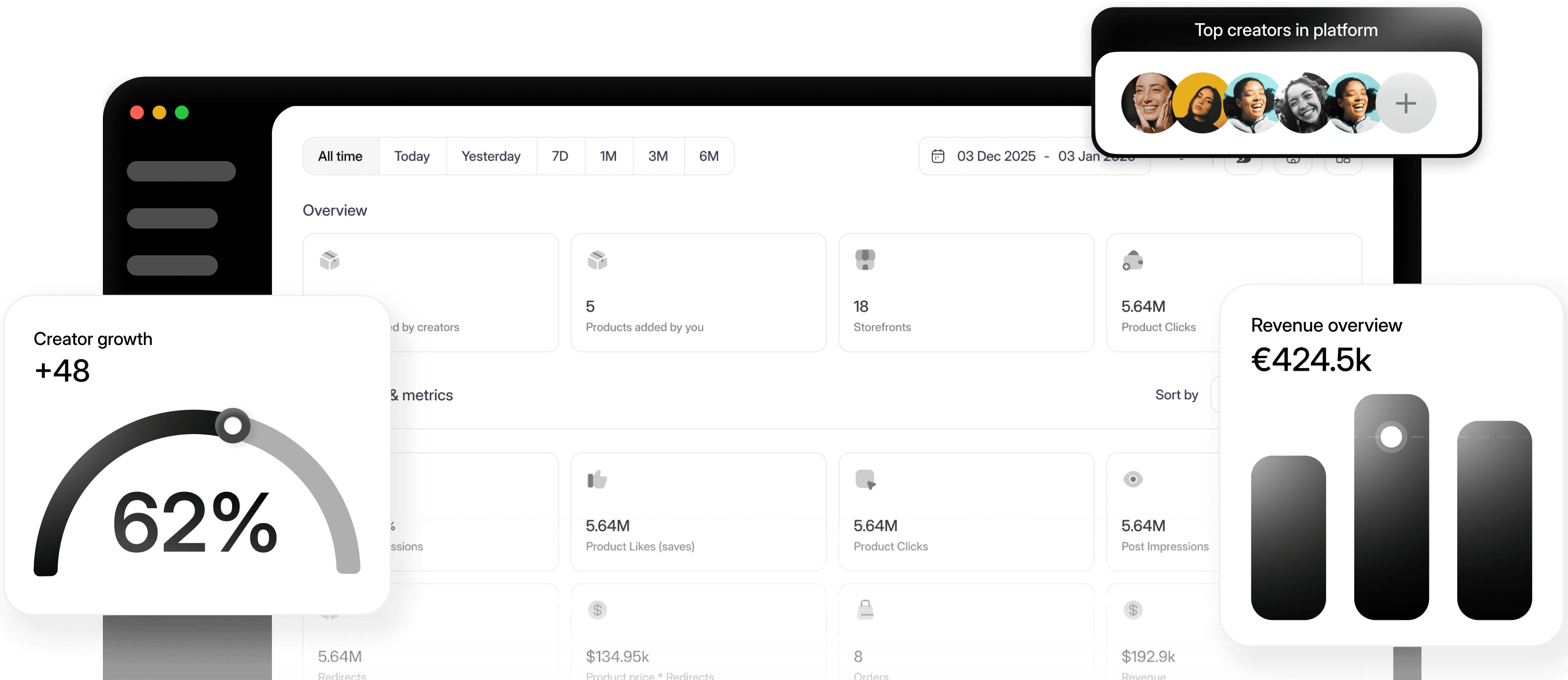
Feature Breakdown: What Agencies Get
Multi-Layer Approval Workflows
Configure approval chains that match each client's requirements. A typical workflow might route content from the creator to the agency account manager, then to the client's brand team, and finally to legal. Each reviewer sees the content with visual previews, can leave timestamped feedback, and can approve or request revisions. The creator is automatically notified of required changes, and the asset does not move to "approved" status until every reviewer signs off.
Usage Rights Tracking and Expiration Alerts
When a creator submits content, the agency assigns usage rights terms—platform scope, duration, paid media permissions, exclusivity clauses, and territory restrictions. These terms are stored as structured metadata on every asset. The system sends automated alerts 14 and 7 days before rights expire, giving media buyers time to pull assets from active campaigns or negotiate extensions.
Centralized Creator CRM for Multi-Client Management
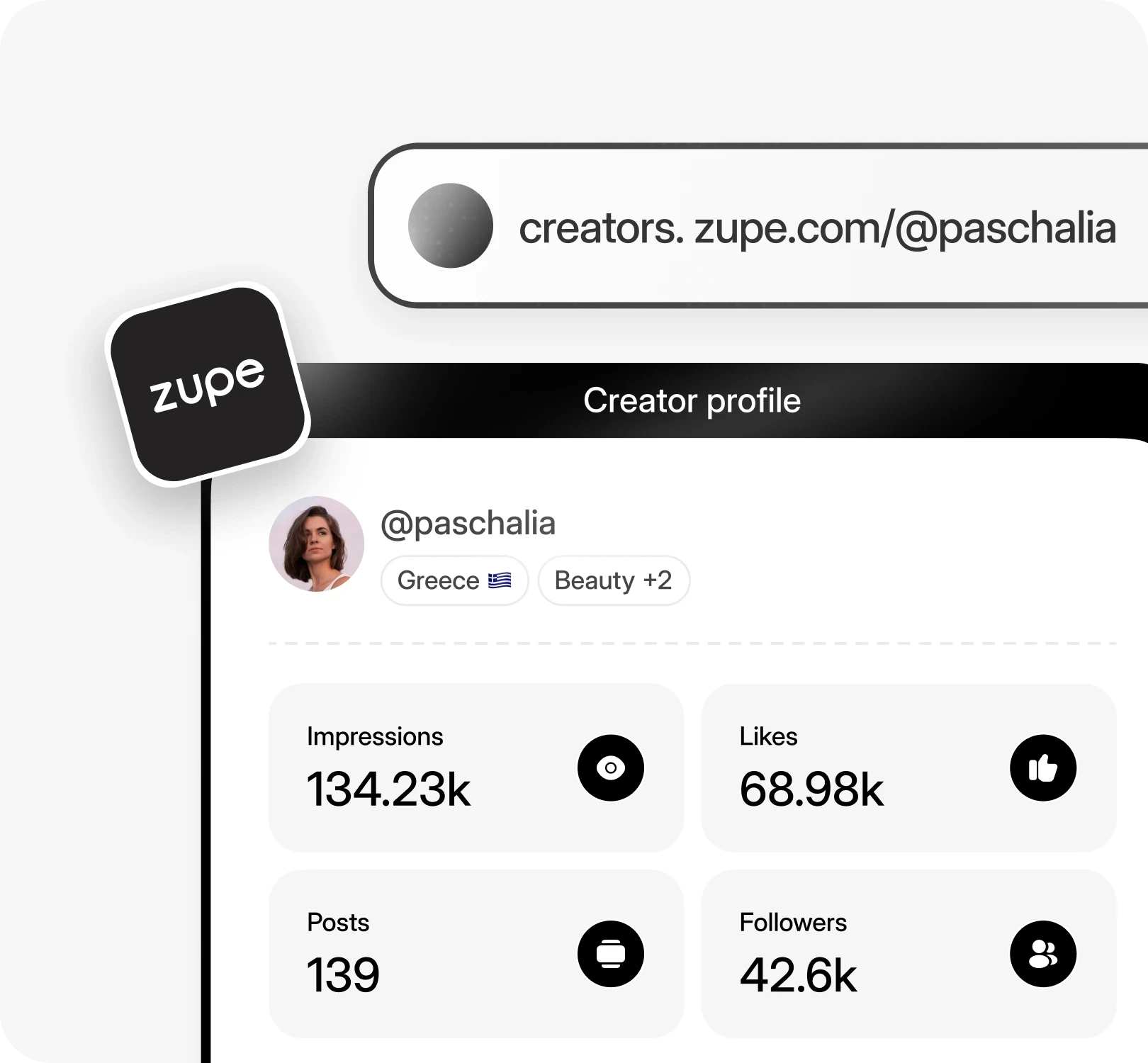
The creator CRM stores every creator's profile, collaboration history, content output, performance metrics, and contractual terms in one place. Agencies can segment creators by client, campaign type, content category, audience demographics, or performance tier. When a new client brief comes in, the agency can instantly surface creators who have delivered strong results in similar campaigns.
Organized Asset Library with Smart Filtering
Creator Drive functions as the agency's content vault. Every asset is automatically tagged with its campaign, creator, client, content type, approval status, and usage rights. Account managers can filter by "approved assets with active paid media rights for Client X" in seconds. Clients can be granted view-only access to their approved content library, reducing back-and-forth requests.
Campaign Brief Templates and Creator Onboarding Flows
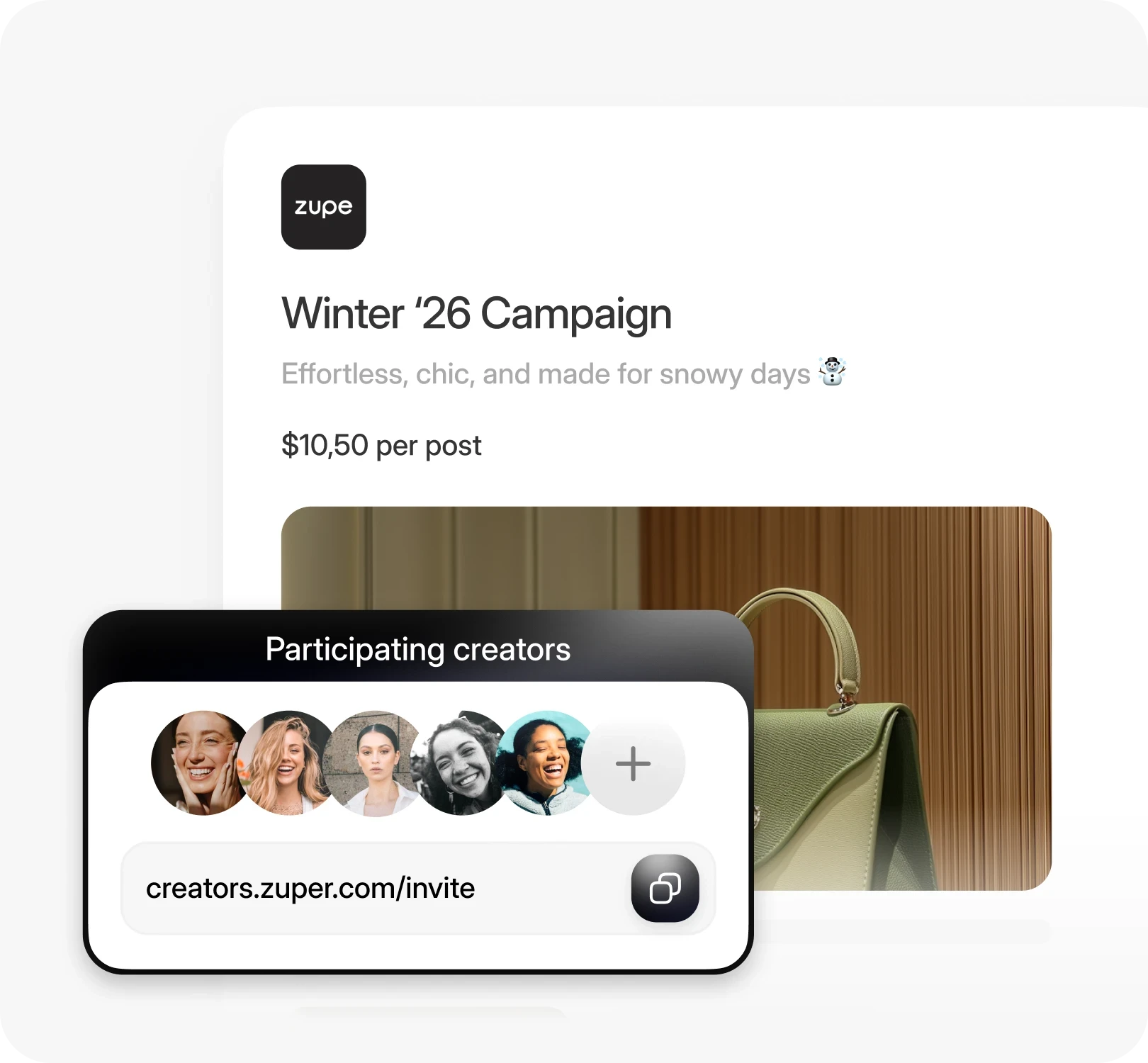
Agencies can build standardized brief templates per client or campaign type, ensuring every creator receives consistent deliverable specifications, brand guidelines, content dos and don'ts, and submission deadlines. Onboarding flows collect creator information, tax forms, and signed agreements in a structured intake process rather than scattered emails.
Performance Tracking Tied to Content Assets
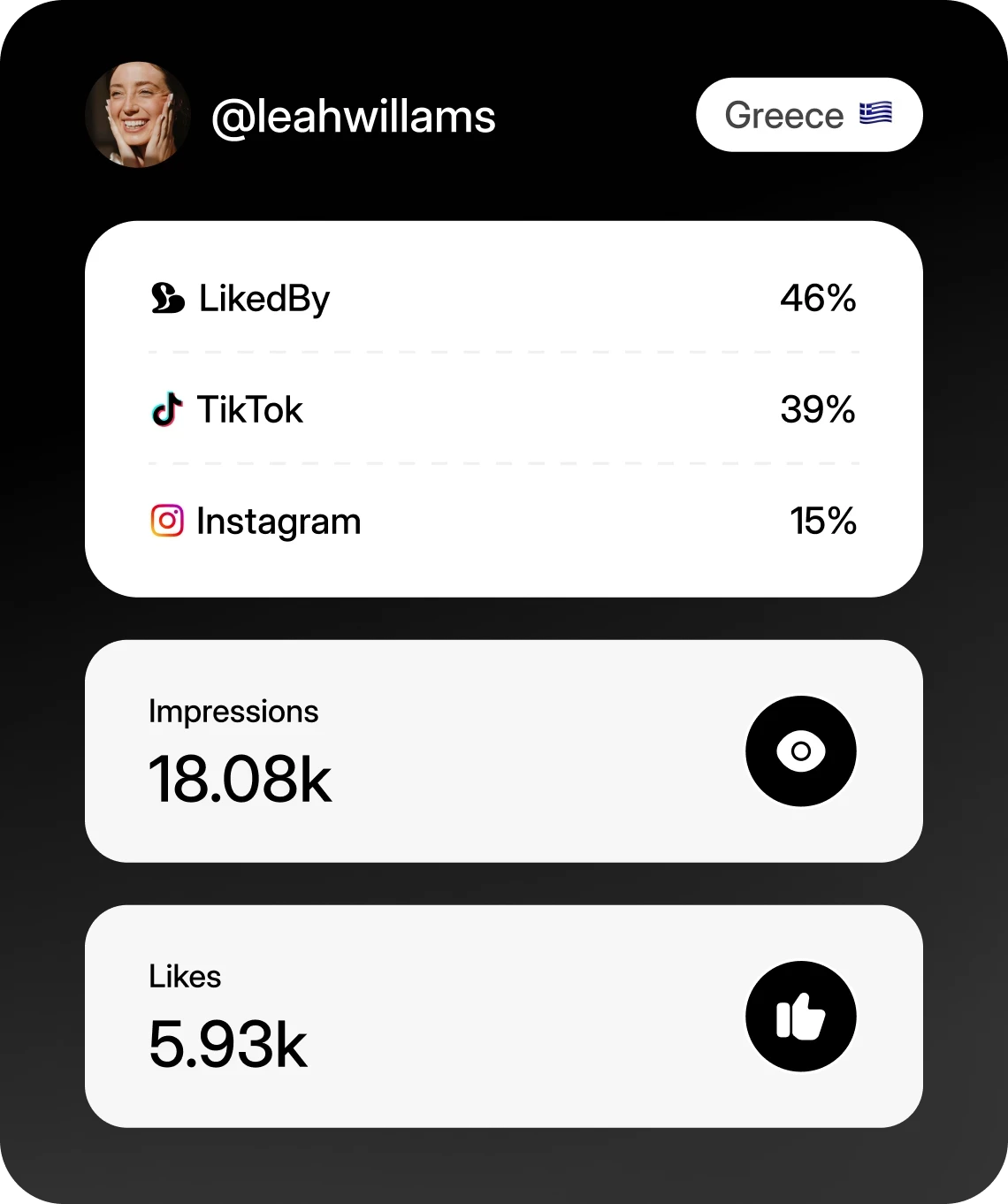
Every approved asset links to its performance data across social platforms. Agencies can see which creator's content drove the most engagement, highest click-through rates, or strongest conversion performance. This data feeds directly into client reporting and informs future creator selection decisions.
Shoppable Content Embedding
For e-commerce clients, agencies can use creator widgets to embed approved creator content as shoppable galleries on product pages, landing pages, and campaign microsites. This turns UGC into a direct revenue driver and gives agencies a measurable commerce outcome to report alongside traditional engagement metrics.
Use Cases for Ad Agencies
1. Seasonal Product Launch Across 50+ Creators
A full-service agency managing a fashion retail client's spring collection launch needs to coordinate 55 creators across Instagram and TikTok. Each creator receives a tailored brief based on their content style, submits two rounds of content for review, and the client's brand team approves final assets before they go live. Usage rights are set for 120 days of organic and paid media use. The agency tracks which creator assets are repurposed into paid social ads and measures ROAS by creator to inform fall campaign casting.
2. Always-On UGC Program for a CPG Brand Portfolio
An agency running creator programs for a CPG holding company manages ongoing UGC generation across four brands. Each brand has its own approval workflow, usage rights requirements, and creator roster. Every month, the agency onboards new creators, reviews submitted content, routes approvals to the appropriate brand manager, and archives approved assets in brand-specific libraries. Quarterly business reviews include performance breakdowns by creator tier and content format.
3. Affiliate Creator Program with Commerce Attribution
A performance-focused agency builds an affiliate creator program for a DTC supplement brand. Creators receive unique tracking links and discount codes, produce content featuring the products, and submit it for approval before posting. The agency monitors which creators drive the most clicks, conversions, and revenue. High-performing creators are moved into a VIP tier with higher commission rates and priority access to new product launches. Monthly reports show the client CPA and ROAS by creator.
4. Regulated Industry Campaign with Legal Compliance Requirements
An agency managing a financial services client's influencer campaign must ensure every piece of creator content passes through legal review before publication. The approval workflow includes a mandatory compliance step where legal reviewers check for required disclosures, prohibited claims, and regulatory language. Every approval is timestamped and stored as an audit trail. Usage rights are restricted to specific platforms and durations per the client's risk management policy.
Weekly and Monthly Operational Workflow for Agencies
Running creator programs at agency scale requires repeatable processes. Here is a structured workflow that agencies can implement inside Socialscale to keep campaigns on track and clients informed.
Monday: Creator Pipeline Review – Account managers review the creator CRM to assess incoming applications, check creator vetting status, and move qualified creators into active campaign rosters. New creators complete onboarding flows including agreement signing and brief acknowledgment.
Tuesday–Wednesday: Brief Distribution and Creator Communication – Campaign briefs are sent to assigned creators with clear deliverable specs, deadlines, and brand guidelines. Creators confirm receipt and ask clarifying questions through the platform's messaging thread, keeping all communication centralized.
Thursday–Friday: Content Submission Window – Creators submit draft content for review. Assets are automatically tagged with campaign, client, and creator metadata. Account managers conduct initial quality checks and flag any content that needs revision before it enters the client approval queue.
Week 2 Start: Client Approval Routing – Approved-by-agency content is routed to the client's brand team for review. Clients access a clean approval interface where they can approve, request changes, or reject content with specific feedback. Creators receive revision requests with annotated notes.
Mid-Month: Rights Assignment and Asset Archiving – Once content receives final approval, usage rights terms are applied to each asset. Approved content is organized in Creator Drive under the appropriate client folder with rights expiration dates set. Media buyers are notified that new approved assets are available for paid amplification.
Ongoing: Performance Monitoring – As content goes live, the analytics dashboard tracks impressions, engagement, clicks, and conversions by creator and asset. Account managers monitor performance weekly and flag top-performing content for additional paid media budget allocation.
Month-End: Client Reporting and Creator Evaluation – Agencies pull performance reports per client showing content output, approval cycle times, creator performance rankings, and commerce metrics. High-performing creators are tagged for future campaigns. Underperforming creators receive feedback or are removed from the active roster.
Quarterly: Rights Audit and Program Optimization – The team runs a rights expiration audit to identify assets approaching the end of their usage window. Renewal negotiations are initiated for high-value content. Program-level metrics are reviewed to optimize creator mix, content formats, and campaign cadence for the next quarter.
Key Performance Indicators for Agency Creator Programs
Agencies need to track metrics that demonstrate value to clients while also optimizing internal operations. The following KPIs are trackable within a structured creator collaboration platform.
Creator Activation Rate – Percentage of onboarded creators who submit content within the campaign window. Target: 80%+ for managed programs.
Average Approval Cycle Time – Days from content submission to final client approval. Reducing this from 7+ days to under 3 days directly accelerates campaign timelines.
Content Output per Creator – Number of approved assets delivered per creator per campaign. Helps agencies identify reliable, high-output creators for repeat collaborations.
Click-Through Rate (CTR) – Percentage of viewers who click product links or CTAs in creator content. Benchmark varies by platform but typically ranges from 1–4% for well-targeted campaigns.
Conversion Rate (CVR) – Percentage of clicks that result in a purchase or desired action. Critical for affiliate creator programs and shoppable content campaigns.
GMV / Revenue Attribution – Total gross merchandise value driven by creator content. Tracked through affiliate links, discount codes, and platform-native shopping features.
ROAS (Return on Ad Spend) – For paid amplification of creator content, measures revenue generated per dollar spent. Agencies typically target 3–6x ROAS on creator-sourced paid assets.
CPA (Cost Per Acquisition) – Total creator program cost divided by conversions. Allows agencies to benchmark creator channels against other acquisition channels for the client.
Usage Rights Compliance Rate – Percentage of active assets with valid, unexpired usage rights. Target: 100%. Any gap represents legal and reputational risk.
Creator Retention Rate – Percentage of creators who participate in multiple campaigns. Higher retention indicates strong creator relationships and reduces onboarding costs.
Scenario: Mid-Size Agency Scales Creator Operations for a Beauty Brand Portfolio
A 40-person digital agency based in Los Angeles manages influencer marketing for three beauty brands under one parent company. Before implementing structured creator collaboration software, the team relied on a combination of Google Sheets for tracking, Dropbox for asset storage, email for approvals, and manual reporting pulled from native social platform analytics.
The agency's core problems were clear: approval cycles averaged 9 days per asset because feedback bounced between email and Slack. Usage rights were tracked in a spreadsheet that was frequently outdated, leading to two incidents where expired-rights content ran in paid campaigns. Monthly client reporting took each account manager approximately 6 hours to compile.
After moving to a centralized creator collaboration platform, the agency restructured its workflows. Creators submitted content directly into the system, where it was automatically tagged and routed through client-specific approval chains. Usage rights were assigned at the asset level with automated expiration alerts. Performance data from Instagram, TikTok, and Shopify was consolidated into a single analytics view.
Within 90 days, the results were measurable:
Average approval cycle time dropped from 9 days to 2.8 days
Zero usage rights violations in the first two quarters
Monthly reporting time reduced from 6 hours to 45 minutes per client
Creator activation rate improved from 62% to 88% due to clearer onboarding and brief delivery
The agency onboarded two additional brand accounts without adding headcount, absorbing the workload through operational efficiency gains
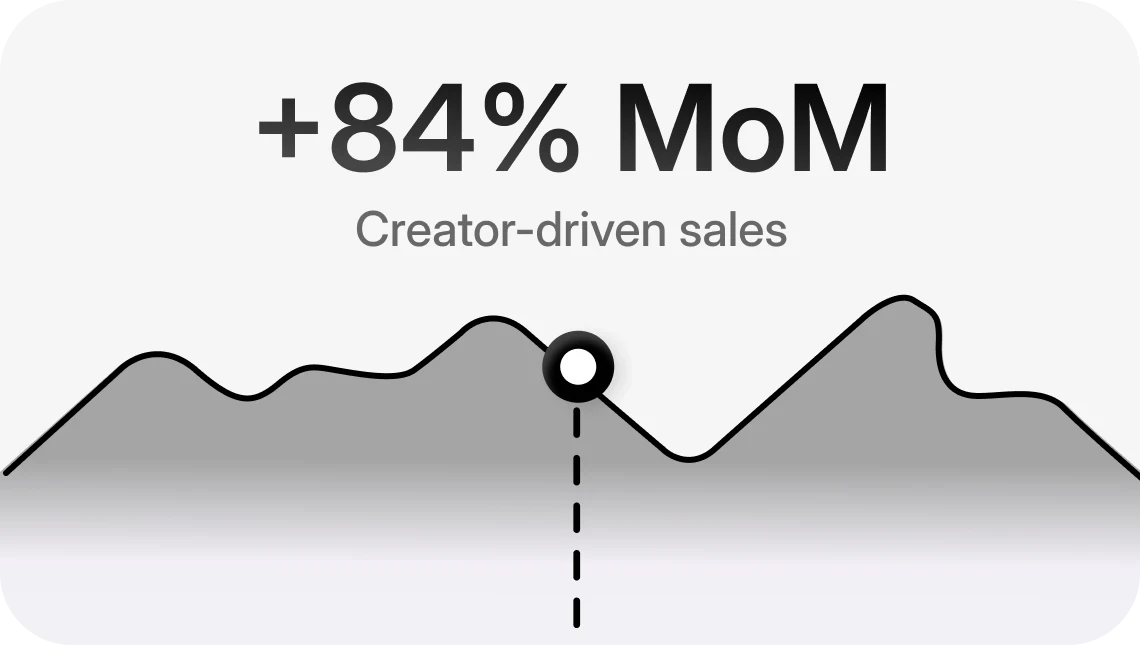
Shoppable creator content embedded on client product pages contributed to a 14% increase in on-site conversion rate for one brand
The agency now uses creator performance data to make casting decisions for future campaigns, prioritizing creators whose content consistently drives above-average CTR and conversion rates.
What makes creator collaboration software different from general project management tools for ad agencies?
Creator collaboration software is purpose-built for influencer marketing workflows. Unlike general project management tools, it includes native features for creator profiles, content submission with visual previews, multi-layer approval routing, usage rights metadata, and integration with social platforms for performance tracking. Ad agencies benefit from having creator-specific context attached to every task and asset rather than building custom workarounds in generic tools.
How does Socialscale handle usage rights management for agencies with multiple clients?
Each asset in Socialscale can be assigned client-specific usage rights terms including platform scope, duration, paid media permissions, exclusivity, and territory restrictions. These terms are stored as structured metadata and the system sends automated alerts before rights expire. Agencies can filter their entire asset library by rights status, ensuring media buyers only access content with valid, active permissions.
Can agencies manage creators across different client accounts without cross-contamination?
Yes. Socialscale supports multi-client workspace structures where creator rosters, campaigns, assets, and approval workflows are organized by client. Creators who work across multiple client accounts maintain separate collaboration histories and content libraries for each brand, ensuring no confidential assets or performance data leak between client programs.
How does the platform support influencer asset approval workflows with external client reviewers?
Agencies can add client team members as reviewers within the approval workflow. Clients access a streamlined review interface where they see submitted content with visual previews, leave feedback, and approve or request revisions. Every action is timestamped and logged, creating an auditable approval trail. The agency controls which workflow steps are internal-only and which involve client participation.
What types of creator programs can ad agencies run with Socialscale?
Agencies can run a wide range of programs including paid sponsorship campaigns, product seeding and gifting programs, affiliate creator programs with commerce tracking, always-on UGC generation programs, and shoppable content campaigns. The platform supports one-off collaborations as well as ongoing creator relationships with repeat campaign assignments and long-term performance tracking across all program types.