Creator Collaboration for Shopify Brands: Coordinating Launch Campaigns with Creators at Scale
Running a product launch on Shopify without a coordinated creator strategy is leaving revenue on the table. For brands selling direct-to-consumer through Shopify, creator collaborations have become the single most effective lever for generating authentic demand, driving qualified traffic, and converting browsers into buyers. Yet most Shopify teams still coordinate launches through scattered spreadsheets, disconnected DM threads, and manual content approvals that slow everything down.
Social commerce has fundamentally changed how consumers discover and purchase products. Shoppers now expect to see real people using real products before they click "Add to Cart." That means your launch campaign coordination with creators needs to be airtight: the right creators briefed at the right time, content approved and live before momentum fades, and shoppable assets embedded across your Shopify storefront within hours, not weeks.
This page breaks down exactly how Shopify brands can operationalize creator collaborations for product launches, seasonal campaigns, and always-on programs. Whether you manage five creators or five hundred, the workflows, tools, and KPIs outlined here will help your team move faster, waste less budget, and attribute real revenue back to every creator partnership.
Core Challenges Shopify Brands Face with Creator Launch Campaigns
Shopify brands operate in a uniquely fast-paced environment where product drops, seasonal collections, and limited-edition launches demand precise timing. Here are the operational challenges that consistently derail creator collaboration efforts.
1. Fragmented Communication Across Channels
Creator outreach happens in Instagram DMs, emails, Slack channels, and sometimes WhatsApp. When a launch involves 20+ creators, tracking who has been briefed, who has confirmed, and who has submitted content becomes nearly impossible without a centralized system.
2. Slow Content Approval Cycles
Product launches have hard deadlines. When content approval requires back-and-forth across email threads and shared drives, brands regularly miss their launch windows. A single round of revision requests can push content live days after peak demand.
3. No Unified Asset Library
Creator content gets buried in Google Drive folders, download links that expire, and chat attachments. When your e-commerce team needs assets for PDPs, email campaigns, or paid social, they waste hours hunting for the right files.
4. Inability to Attribute Revenue to Individual Creators
Shopify brands need to know which creators actually drive sales, not just impressions. Without proper UTM structures, affiliate tracking, and storefront-level attribution, you cannot calculate true ROAS on creator spend.
5. Inconsistent Creator Onboarding
Every launch brings new creators into the mix. Without a repeatable onboarding flow that covers brand guidelines, product details, discount codes, and posting schedules, quality and compliance vary wildly.
6. Scaling Beyond a Handful of Creators
Many Shopify brands hit a ceiling at 10-15 active creators because the manual coordination overhead becomes unsustainable. The team spends more time project-managing than strategizing.
7. Disconnected Affiliate and Gifting Programs
Brands often run gifting campaigns and affiliate creator programs through separate tools with no shared data. This means a creator who received a gifted product three months ago gets re-contacted as if they are brand new, eroding the relationship.
Why Traditional Tools Fail Shopify Brand Teams
Spreadsheets Cannot Handle Real-Time Campaign Coordination
Google Sheets and Airtable bases are fine for static lists, but they break down the moment you need real-time status updates across creator outreach, content submissions, approvals, and posting confirmations. During a launch week, your team needs a live operational view, not a manually updated tracker that is already outdated by the time someone refreshes the tab.
Generic Project Management Tools Lack Creator Context
Tools like Asana, Monday, or Trello were built for internal team workflows, not for managing external creator relationships. They do not natively support content previews, usage rights tracking, commission structures, or Shopify discount code generation. Your team ends up building workarounds that add complexity instead of reducing it.
Influencer Marketplaces Focus on Discovery, Not Operations
Most influencer marketing software platforms emphasize creator discovery and initial outreach. But Shopify brands do not struggle to find creators. They struggle to coordinate 30 creators shipping content for the same launch date, approve assets in time, and track which creator content actually converts on their storefront.
Disconnected Analytics Make Optimization Impossible
When your creator performance data lives in one tool, your Shopify sales data in another, and your content library in a third, there is no single source of truth. You cannot answer basic questions like "Which creator drove the most revenue per dollar spent during our last launch?" without hours of manual data stitching.
How Socialscale Solves Creator Collaboration for Shopify Brands
Socialscale is purpose-built as the operating system for social commerce, giving Shopify brand teams a single platform to run creator programs end-to-end. Instead of stitching together five or six disconnected tools, your team manages every stage of creator collaboration from one workspace.
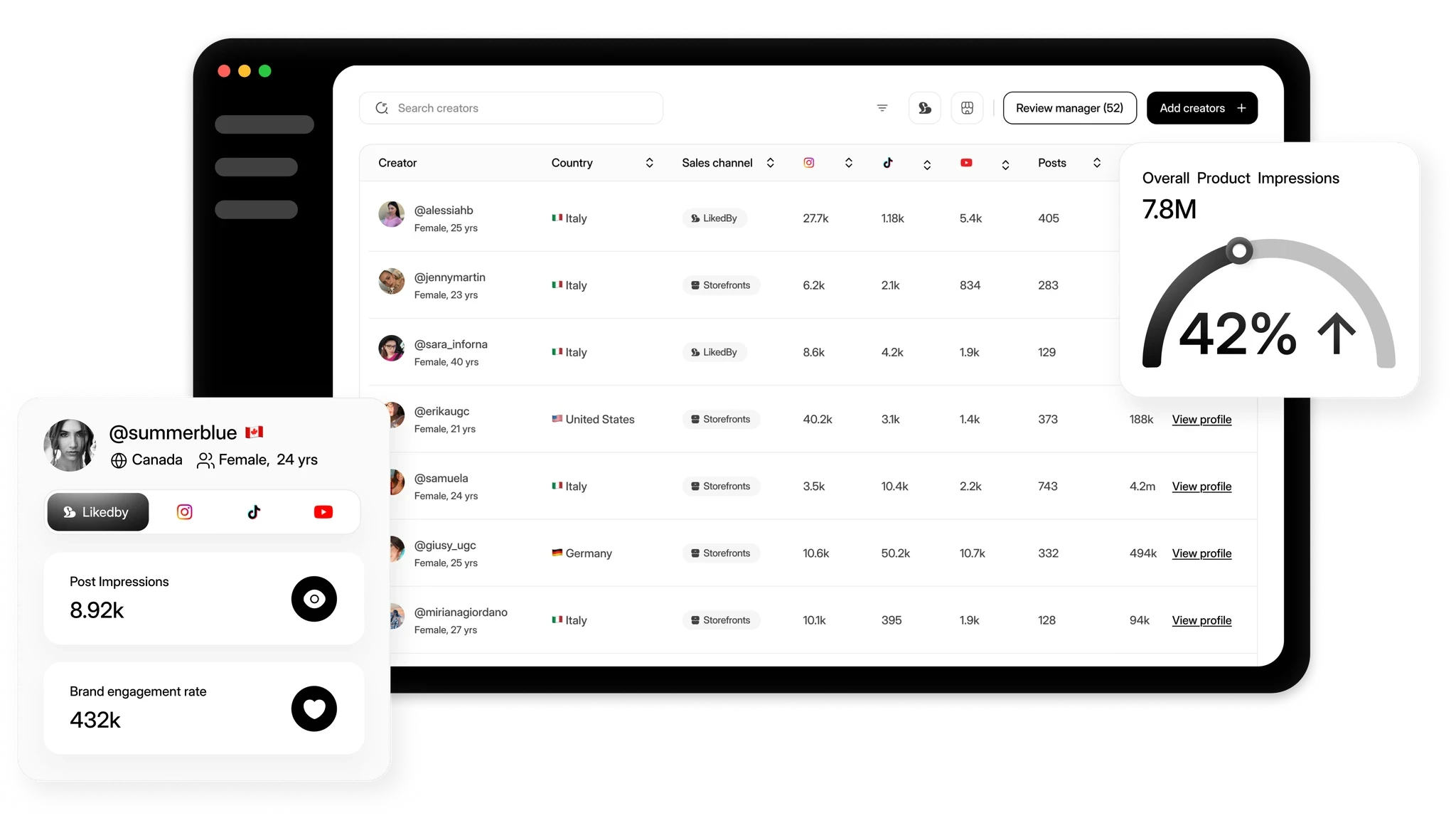
At the core is the creator CRM, which centralizes every creator relationship, conversation history, contract status, and performance record. When you are planning a launch campaign, you can instantly filter your creator roster by past conversion rates, content style, product category affinity, and availability. No more guessing which creators to activate.
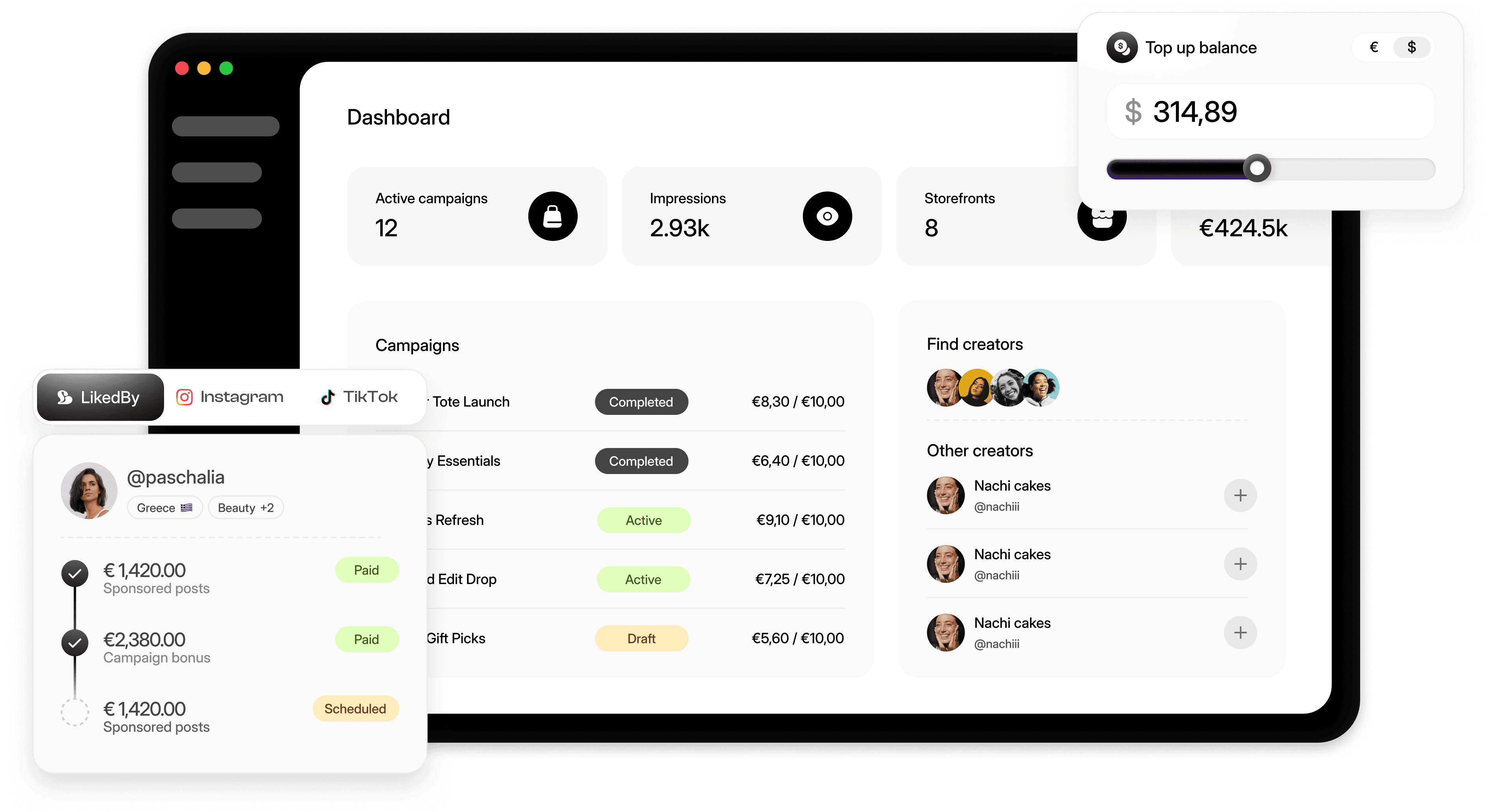
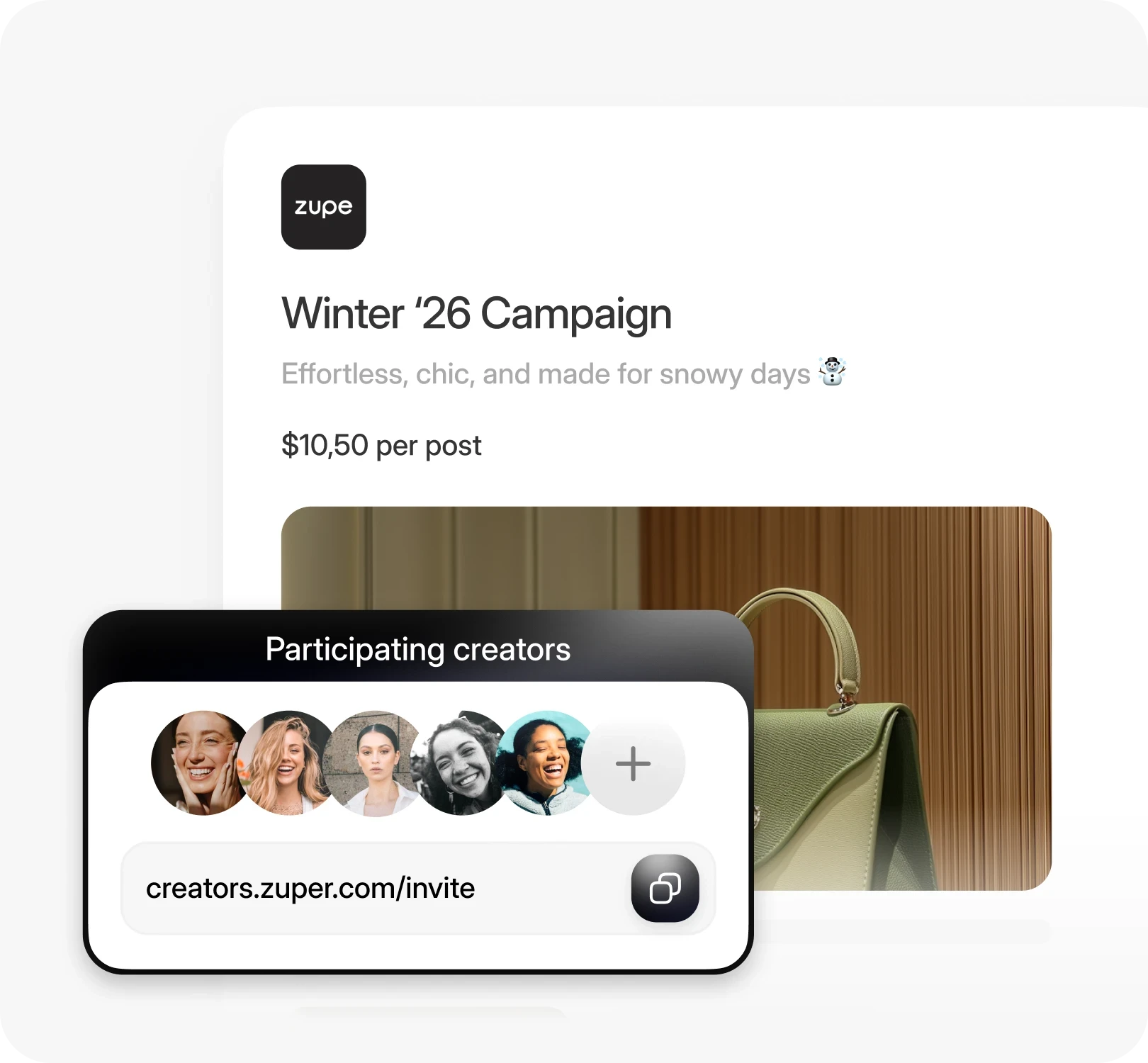
For the actual campaign coordination, creator collaborations on Socialscale let you build structured campaigns with clear briefs, deadlines, deliverable specs, and approval workflows. Creators receive everything they need in one place, submit content directly into the platform, and your team reviews and approves without leaving the dashboard.
Once content is approved, it flows directly into Creator Drive, your organized content library where every asset is tagged by creator, campaign, product, and content type. Your e-commerce and paid media teams can pull assets instantly for Shopify PDPs, email flows, and ad creatives. The result is a launch process that runs in days instead of weeks, with full visibility from outreach to revenue.
Feature Breakdown: What Shopify Teams Actually Use
Campaign Builder with Creator Briefing
Create launch campaigns with structured briefs that include product details, key messaging, visual references, do-and-don't lists, posting schedules, and required hashtags or discount codes. Each creator receives a personalized brief based on their deliverable type, whether that is a TikTok unboxing, an Instagram Reel, or a YouTube haul. Briefs are versioned, so if product details change before launch, every creator sees the update immediately.
Content Submission and Approval Workflow
Creators upload drafts directly into the platform. Your team reviews content with inline commenting, requests revisions with specific timestamps or frame references, and approves final versions with one click. Approval status is visible across the entire campaign dashboard, so you always know exactly how many assets are pending, in revision, or ready to go live.
Creator Relationship Management
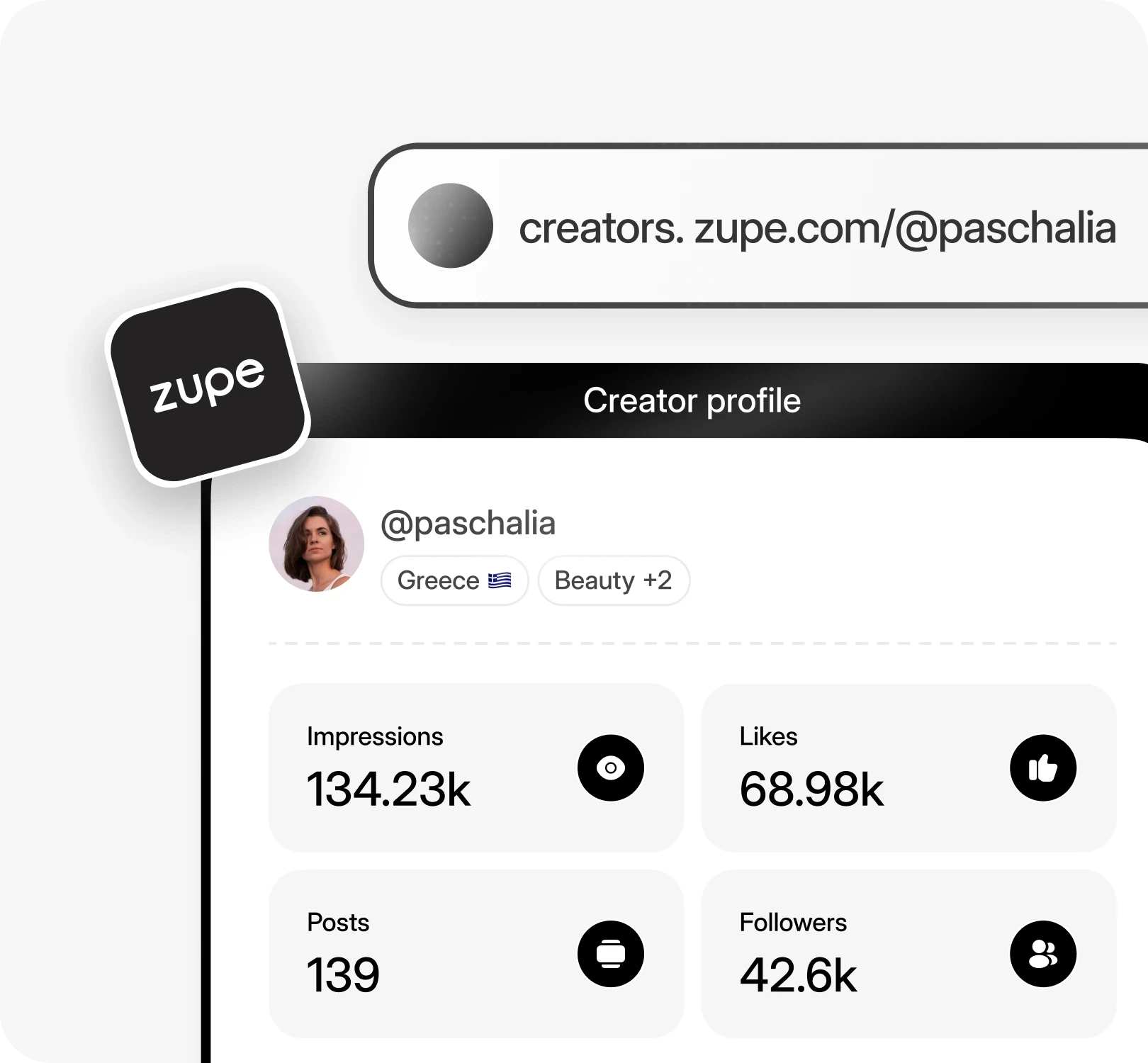
Every interaction with a creator is logged: outreach messages, negotiation notes, contract terms, past campaign participation, gifted products, commission rates, and performance history. When planning your next Shopify product drop, you can pull up a creator's full history in seconds and make data-backed decisions about who to re-engage.
Centralized Content Storage and Tagging
All approved creator content is automatically organized in a searchable library. Assets are tagged by product SKU, campaign name, creator handle, content format, and usage rights expiration. Your paid media team can filter for "TikTok-style vertical video featuring Product X with perpetual usage rights" and find exactly what they need.
Shoppable Content Embedding
Approved creator content can be embedded directly on your Shopify storefront as shoppable galleries, carousels, or individual widgets. This turns authentic creator UGC into conversion-driving assets on your product pages, homepage, and collection pages without requiring developer resources.
Performance Tracking and Revenue Attribution
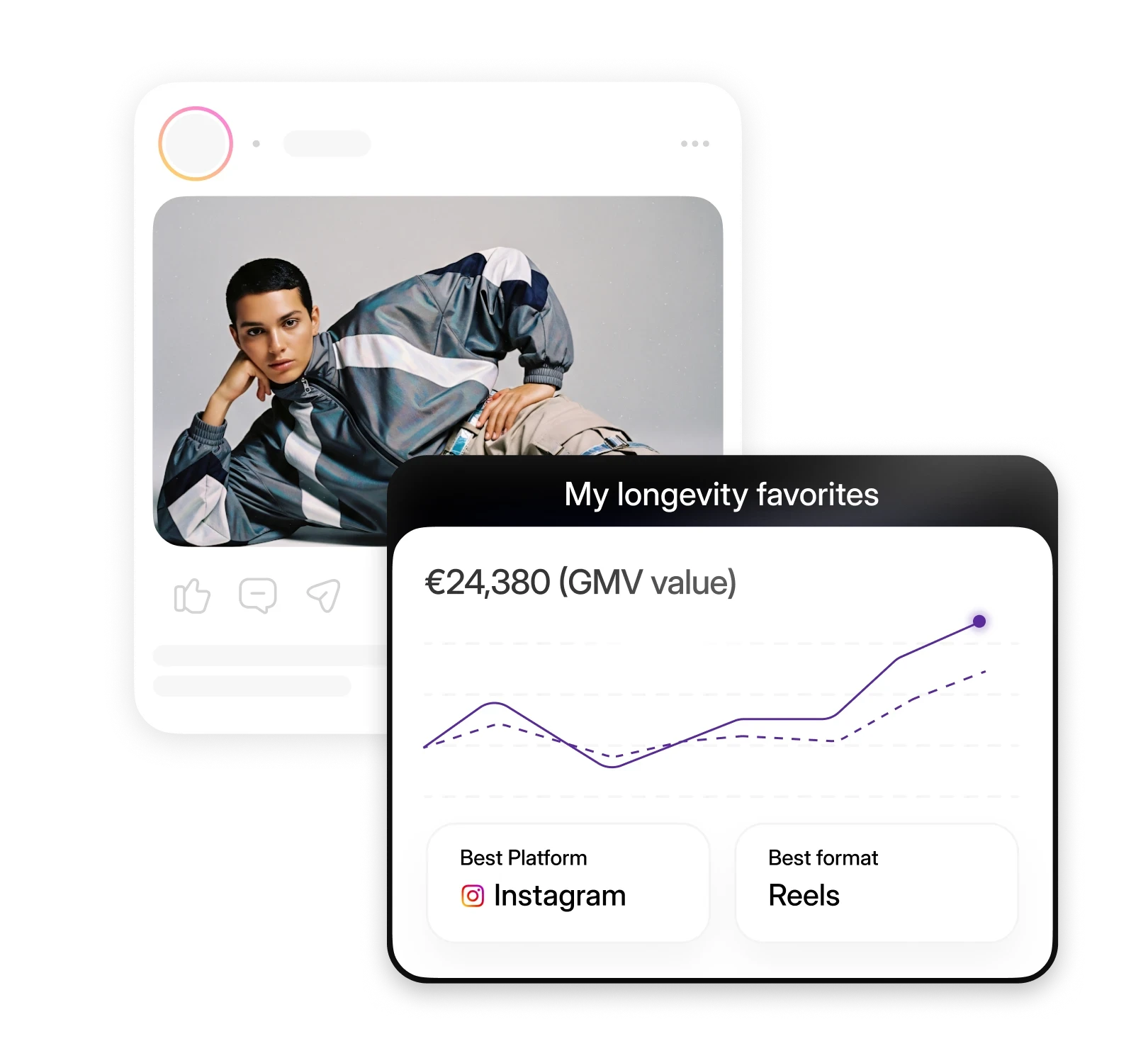
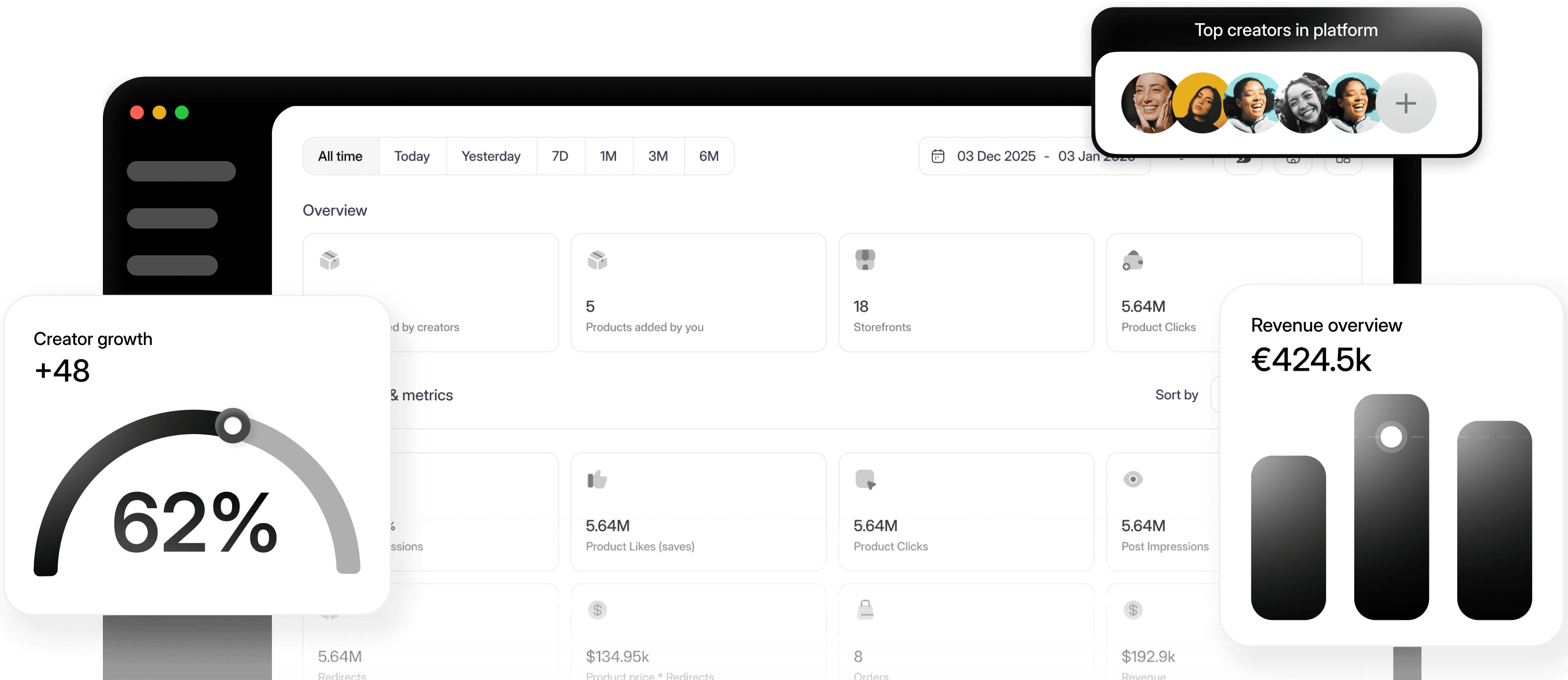
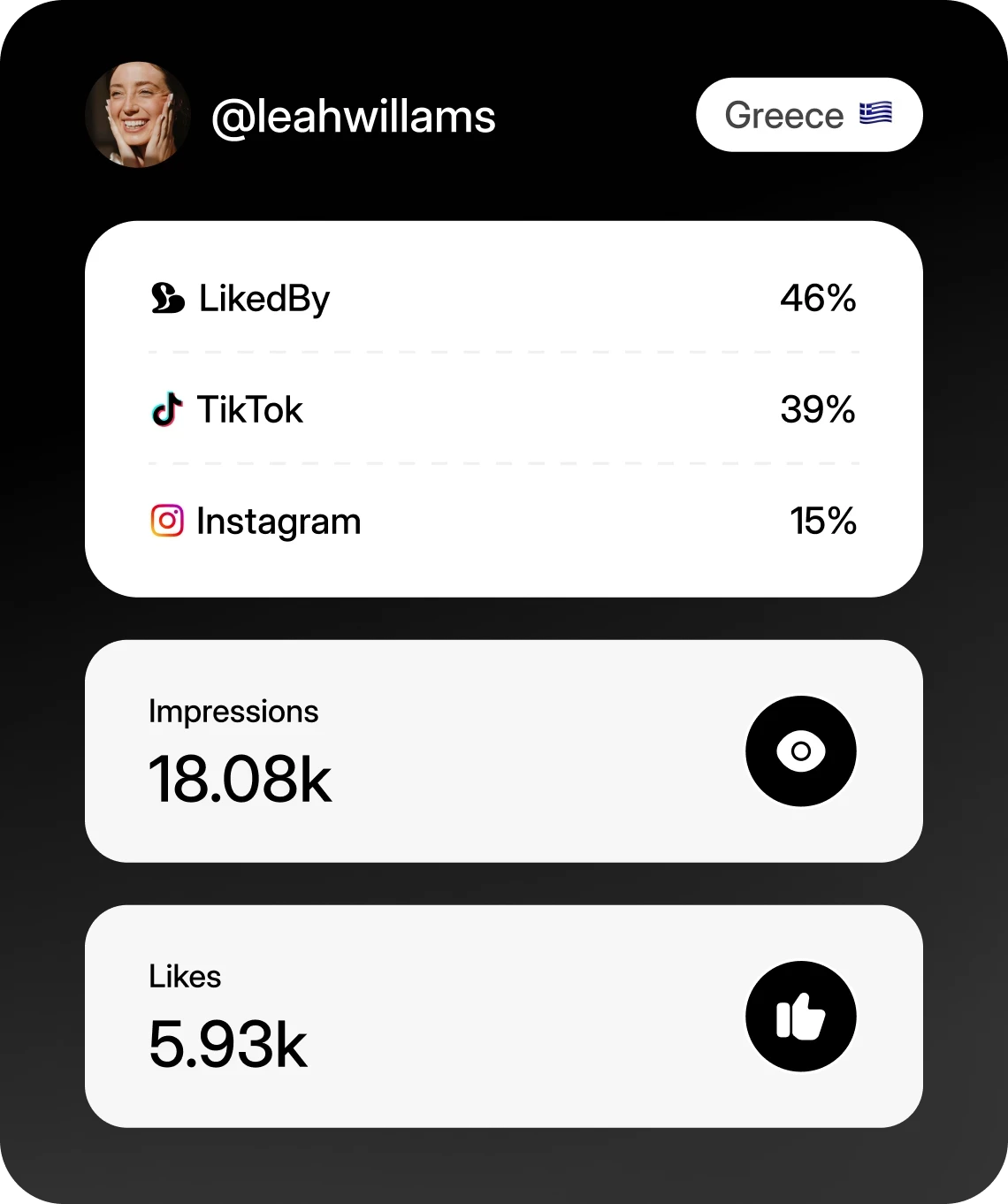
Track each creator's content performance alongside Shopify revenue data. See clicks, add-to-carts, conversions, and revenue attributed to individual creators and specific pieces of content. This is not vanity metric reporting. It is the operational data you need to calculate true cost-per-acquisition and return on creator spend.
Use Cases: How Shopify Brand Teams Coordinate Launch Campaigns with Creators
Seasonal Collection Drop with 50+ Creators
A Shopify fashion brand preparing a spring collection launch needs to coordinate 50 creators across three tiers: 5 macro influencers for awareness, 20 mid-tier creators for styled lookbook content, and 25 micro-creators for authentic try-on Reels and TikToks. Each tier receives a different brief, different product shipments, and different posting windows staggered across launch week. The campaign requires centralized tracking so the brand manager can see, at a glance, which creators have received product, which have submitted content, and which have posted. Revenue from each tier is tracked separately to inform budget allocation for the next season.
Limited-Edition Product Drop with Countdown Coordination
A Shopify beauty brand launches a limited-edition holiday set available for 72 hours. Timing is everything. Twenty creators need to post teaser content three days before launch, reveal content on launch morning, and "last chance" reminders on the final day. Each creator has a unique discount code tied to their Shopify affiliate link. The brand needs real-time visibility into which creators posted on schedule and which codes are driving the most checkouts during the live window.
Always-On Affiliate Creator Program with Monthly Activations
A Shopify supplements brand runs a rolling affiliate creator program where 100+ creators have permanent storefronts and earn commission on every sale. Each month, the brand activates a subset of these creators for a specific product push, sending updated briefs, new creative assets, and limited-time bonus commission rates. The program requires ongoing UGC management to keep the content library fresh and ensure top-performing creator content is featured on the Shopify storefront.
New Market Entry with Localized Creator Campaigns
A Shopify home goods brand expanding into the UK market recruits 30 UK-based creators for a market entry campaign. Briefs need to reflect local terminology, pricing in GBP, and UK shipping timelines. The brand runs parallel campaigns in the US and UK, needing separate performance dashboards to compare creator-driven revenue by market. Content from UK creators is tagged and stored separately for use in region-specific email campaigns and paid social targeting UK audiences.
Weekly and Monthly Workflow for Creator Launch Campaigns on Shopify
Operational consistency is what separates brands that scale creator programs from those that stall. Here is a practical workflow for coordinating creator collaborations around Shopify product launches.
Campaign Planning and Creator Selection (4-6 Weeks Before Launch)
Define campaign objectives, deliverable types, posting schedule, and budget. Use your creator CRM to shortlist creators based on past performance data, audience demographics, and content style. Segment creators into tiers with different compensation structures: gifted-only, flat fee, commission-based, or hybrid.
Outreach and Onboarding (3-4 Weeks Before Launch)
Send personalized campaign invitations through the platform. Creators who accept receive their full brief, product shipment details, and contract terms in one place. Onboarding includes brand guidelines, content specifications, posting requirements, and unique discount codes or affiliate links generated through your Shopify integration.
Product Seeding and Confirmation (2-3 Weeks Before Launch)
Ship products to confirmed creators and track delivery status. Creators confirm receipt and estimated content creation timelines. Flag any creators who have not confirmed receipt for follow-up outreach. This is the stage where most manual processes break down, so centralized tracking is critical.
Content Creation and First Draft Review (1-2 Weeks Before Launch)
Creators submit first drafts into the approval workflow. Your team reviews against the brief, provides specific feedback, and requests revisions where needed. Set clear SLAs: first review within 24 hours, revision turnaround within 48 hours. Track approval rates across the campaign dashboard.
Final Approval and Content Staging (3-5 Days Before Launch)
All content is approved and tagged in the content library. Shoppable widgets are configured for your Shopify storefront. Paid media team pulls approved assets for ad creative. Email marketing team selects hero UGC for launch email sequences. Everything is staged and ready.
Launch Week Activation and Monitoring (Launch Day + 7 Days)
Creators post according to the staggered schedule. Monitor posting compliance in real time. Track early performance signals: engagement rates, link clicks, discount code usage, and Shopify checkout data. Send reminder nudges to creators who have not posted on schedule.
Post-Launch Performance Review (1-2 Weeks After Launch)
Pull comprehensive performance reports showing revenue attributed to each creator, content engagement metrics, cost-per-acquisition by creator tier, and overall campaign ROAS. Identify top performers for future campaigns and flag underperformers for program review.
Monthly Program Optimization
On a monthly cadence, review aggregate creator program data. Update creator tiers based on cumulative performance. Refresh the shoppable content on your Shopify storefront with the highest-converting UGC. Plan the next month's activation based on product calendar and inventory priorities.
Key Performance Indicators for Creator Launch Campaigns
Shopify brands need to track metrics that connect creator activity directly to commercial outcomes. Here are the KPIs that matter most when coordinating launch campaigns with creators.
Creator Activation Rate: Percentage of invited creators who accept, complete onboarding, and deliver content on time. Target: 70%+ for established programs.
Content Approval Time: Average hours from first draft submission to final approval. Benchmark: under 48 hours for launch campaigns.
Content Output per Creator: Number of approved assets delivered per creator per campaign. Helps identify high-output partners for future activations.
Click-Through Rate (CTR): Percentage of viewers who click creator links or discount codes through to your Shopify store.
Conversion Rate (CVR): Percentage of creator-referred traffic that completes a Shopify checkout. Compare against your store's baseline CVR to measure creator impact.
Gross Merchandise Value (GMV) per Creator: Total revenue attributed to each creator's content and links during the campaign window.
Return on Creator Spend (ROAS): Total attributed revenue divided by total creator costs (product, fees, commissions). The primary efficiency metric for budget decisions.
Cost per Acquisition (CPA): Total creator program cost divided by number of new customers acquired through creator channels.
Content Reuse Rate: Percentage of creator content repurposed for paid ads, email, or Shopify storefront embeds. Higher reuse rates amplify the value of every creator dollar spent.
Creator Retention Rate: Percentage of creators who participate in multiple campaigns. High retention signals strong relationships and reduces onboarding costs over time.
Scenario: Shopify Skincare Brand Coordinates a 40-Creator Product Launch
A direct-to-consumer skincare brand on Shopify Plus is launching a new SPF moisturizer. The marketing team has a $25,000 creator budget and a four-week timeline from planning to launch day.
Setup
The influencer marketing manager uses the creator CRM to identify 60 potential creators from their existing roster, filtering by skincare content focus, engagement rate above 3%, and audience demographics matching their target customer (women 25-40, US-based). Forty creators accept the campaign invitation and are onboarded with a structured brief that includes product claims approved by legal, visual guidelines, three required content formats (Instagram Reel, TikTok, and one Instagram Story set), and unique Shopify discount codes.
Execution
Products ship three weeks before launch. Thirty-six creators submit first drafts within the deadline. The team reviews and approves 90% of submissions within 36 hours, with an average of 1.2 revision rounds per asset. By launch day, 108 pieces of approved content are staged. Twelve hero assets are embedded as shoppable content on the product detail page and homepage via storefront widgets.
Results (First 14 Days Post-Launch)
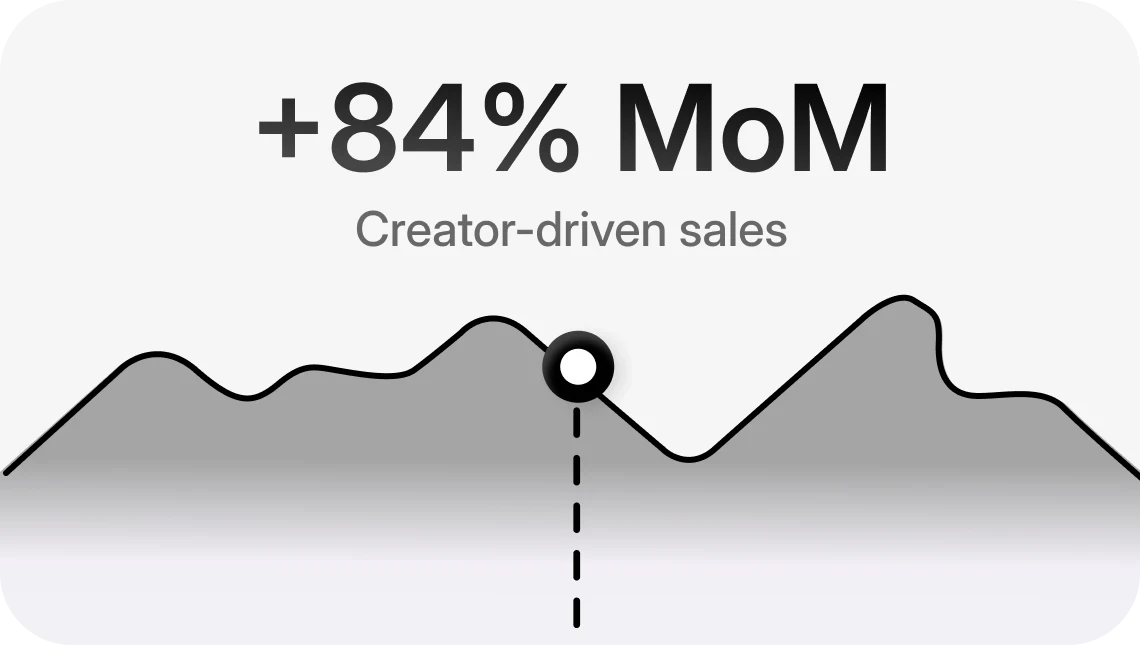
The campaign generates 142 total content pieces across Instagram and TikTok. Creator-referred traffic accounts for 38% of all sessions on the SPF moisturizer PDP. The creator channel delivers a 4.2x ROAS against the $25,000 budget, generating $105,000 in attributed Shopify revenue. Average CPA through creator channels is $11.40, compared to $18.70 for paid social during the same period. The top five creators by GMV are immediately flagged for the brand's upcoming summer campaign, and their content is prioritized for paid amplification. Content approval time averaged 31 hours, a 55% improvement over the brand's previous launch where approvals were managed through email.
Frequently Asked Questions
How does creator collaboration software integrate with my Shopify store?
The platform connects to your Shopify store to sync your product catalog, automatically generate unique discount codes for each creator, track order-level sales attribution from creator links, and embed shoppable creator content directly on your storefront pages. This means revenue data flows back into your creator performance dashboards without manual data exports or spreadsheet reconciliation.
Can I manage both gifting and paid creator campaigns in one platform?
Yes. You can run gifting-only campaigns, flat-fee collaborations, commission-based affiliate creator programs, and hybrid compensation models all within the same workspace. Each creator's compensation structure, product shipment status, and performance data is tracked individually regardless of the campaign type.
How many creators can I coordinate for a single product launch?
The platform is designed to scale from small activations with 5-10 creators to large launch campaigns with 200+ creators. Structured briefing, automated onboarding flows, and centralized content approval workflows eliminate the manual bottlenecks that typically limit how many creators a team can manage simultaneously.
What happens to creator content after the campaign ends?
All approved content is permanently stored in your organized content library, tagged by creator, campaign, product, and content format. Your team can repurpose this content for paid social ads, email marketing, Shopify storefront embeds, and future campaigns. Usage rights and expiration dates are tracked per asset so you always know what you are licensed to use.
How do I measure which creators actually drive Shopify sales, not just engagement?
The platform tracks the full funnel from creator content to Shopify checkout. Each creator's unique links and discount codes are monitored for clicks, add-to-carts, completed orders, and revenue. You can view performance at the individual creator level, the content piece level, or the campaign level, giving you the data needed to calculate true ROAS and CPA for every creator partnership.