Creator Collaboration for Multichannel Retailers
Multichannel retailers operate across a complex web of storefronts, marketplaces, and social platforms. Every channel has its own audience behavior, content format, and conversion pathway. Running creator collaborations across all of them without a unified system leads to fragmented campaigns, inconsistent messaging, and wasted spend. That is the reality most retail marketing teams face today.
Social commerce has fundamentally changed how multichannel retailers drive discovery and purchase. Consumers now expect shoppable content from trusted creators on TikTok, Instagram, YouTube, and even embedded on product pages. But coordinating creator programs that serve DTC websites, Amazon storefronts, brick-and-mortar promotions, and social shops simultaneously requires a level of operational rigor that spreadsheets and disconnected tools simply cannot deliver.
This page breaks down how multichannel retail teams can structure omnichannel creator campaign management to produce measurable results across every sales channel, from creator onboarding and content workflows to performance tracking and revenue attribution.
Channel-Specific Content Requirements
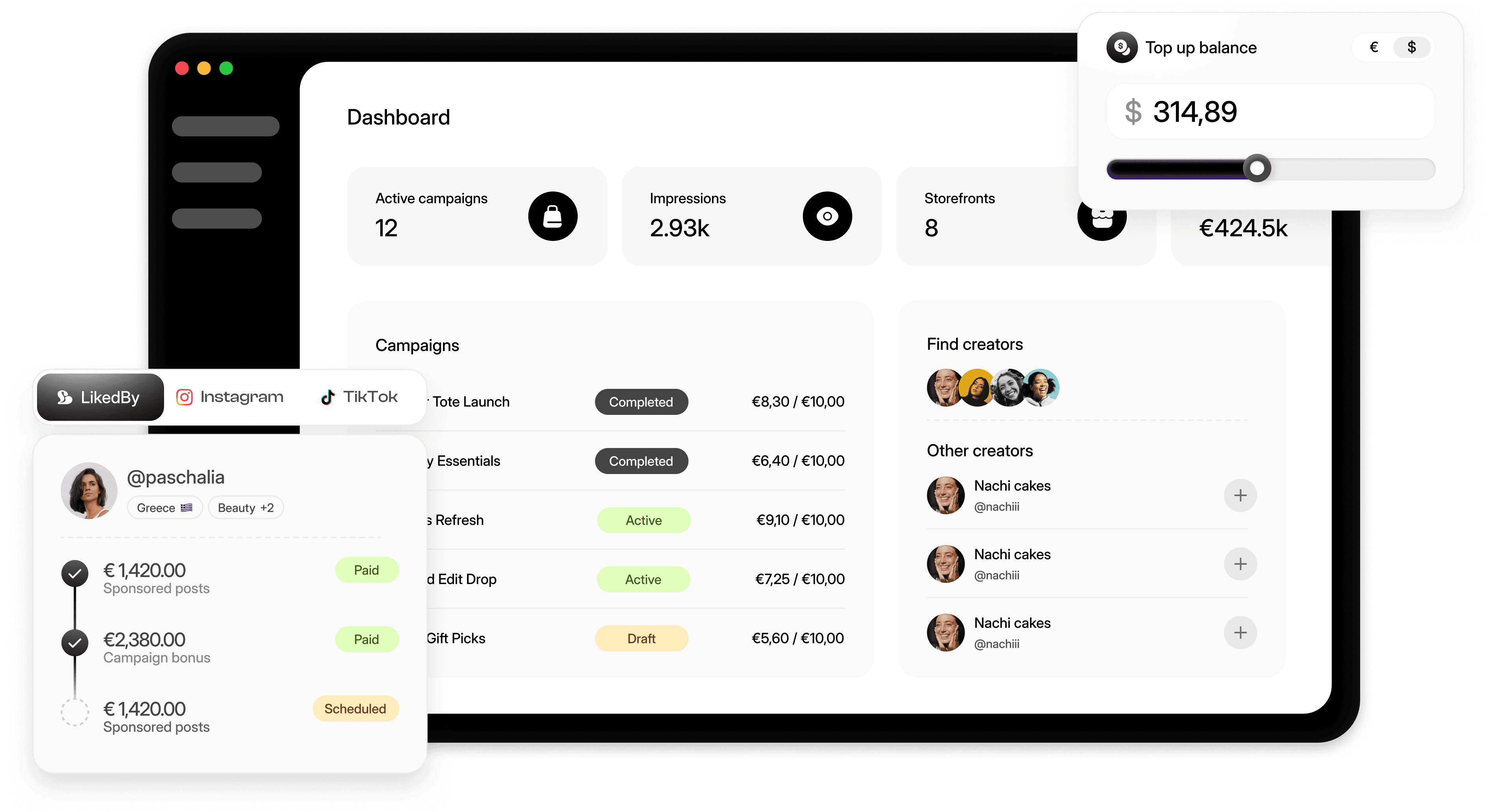
Each retail channel demands different content specs. A TikTok creator video for a social shop has entirely different dimensions, tone, and CTA structure than a product review destined for a DTC landing page or an Amazon listing. Multichannel retailers must brief creators with channel-aware instructions, which multiplies the complexity of every single collaboration.
Fragmented Creator Relationships
Different teams often manage creators independently. The social media team has its TikTok creators, the e-commerce team works with affiliate bloggers, and the brand team runs ambassador programs. Without a centralized creator CRM, retailers lose visibility into who they are working with, what content has been produced, and which creators actually drive revenue.
Inconsistent Brand Messaging Across Channels
When creator content is managed in silos, brand voice drifts. A creator promoting a product on Instagram may communicate entirely different value propositions than one creating content for YouTube. Multichannel retailers need unified campaign briefs that allow for channel-specific adaptation without losing brand coherence.
Content Reuse and Rights Management
Retailers want to repurpose high-performing creator content across channels, embedding UGC on product pages, running it as paid social, or featuring it in email campaigns. But tracking usage rights, content versions, and approvals across dozens of creators becomes unmanageable without a dedicated content storage and rights system.
Attribution Across Sales Channels
Connecting a creator's Instagram Reel to a purchase made on Shopify, or a TikTok video to an in-store visit, is one of the hardest problems in multichannel retail marketing. Most teams lack the tooling to attribute revenue across channels, making it impossible to calculate true creator ROI.
Scaling Without Losing Quality
Multichannel retailers often work with 50 to 500 or more creators simultaneously. As programs scale, approval bottlenecks, missed deadlines, and inconsistent content quality become the norm. Teams need structured workflows that scale without requiring proportional headcount increases.
Coordinating Campaign Timing Across Channels
A product launch needs synchronized creator content going live across TikTok, Instagram, YouTube, and the DTC site within the same window. Coordinating posting schedules, approval timelines, and content delivery across dozens of creators and multiple channels is a logistical challenge that derails many campaigns.
Spreadsheets Cannot Handle Omnichannel Complexity
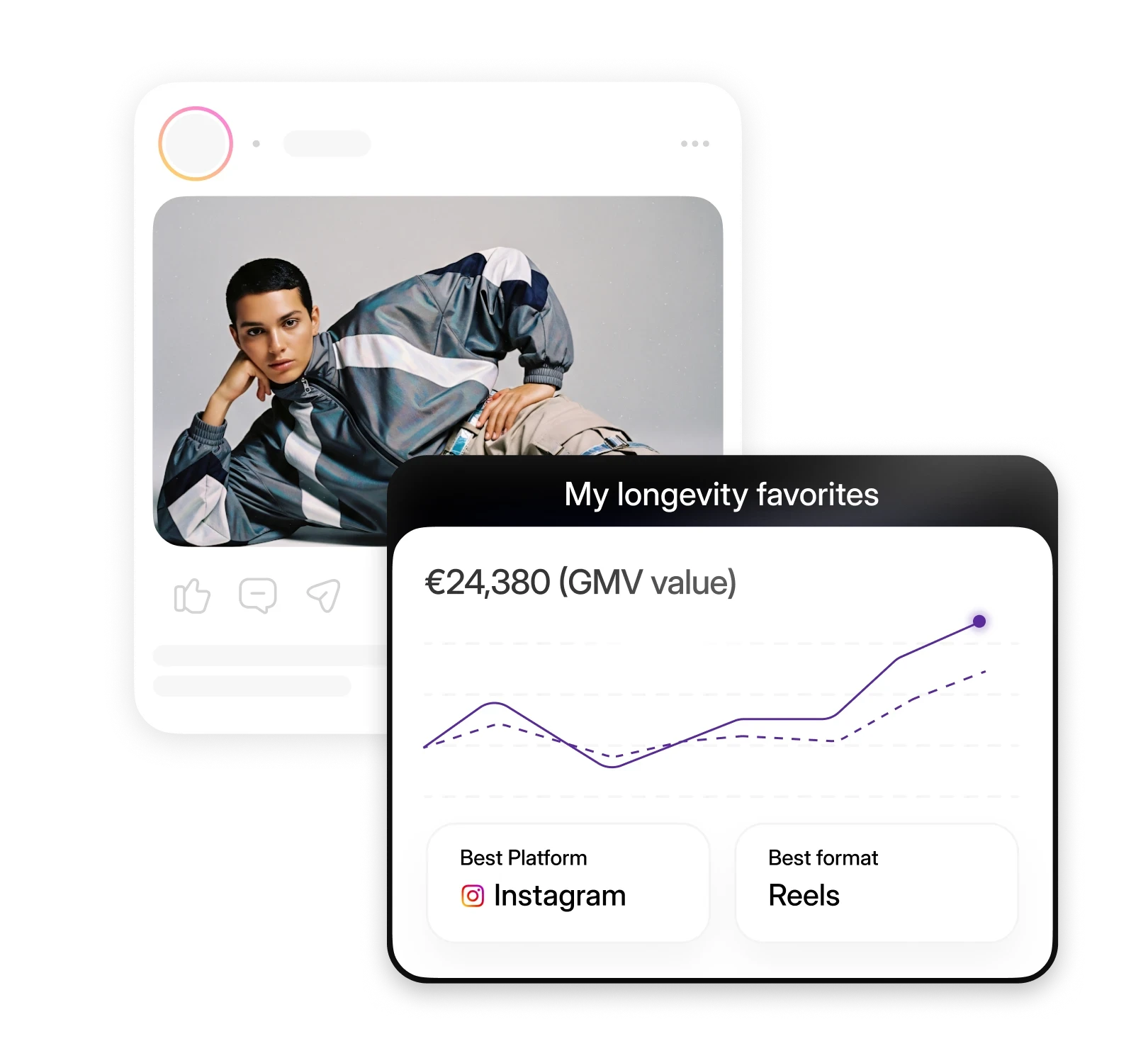
Most multichannel retail teams start managing creator programs in Google Sheets. Creator contact info in one tab, content status in another, payment tracking in a third. This works for five creators on one channel. It collapses entirely when you are running 80 creators across four channels with different content specs, posting dates, and compensation models. Version control issues, missed follow-ups, and data entry errors become daily problems.
Generic Project Management Tools Lack Creator Context
Tools like Asana, Monday, or Trello can organize tasks, but they have no concept of creator profiles, content approval workflows, usage rights, or performance analytics. Teams end up building elaborate workarounds that break every time a campaign structure changes. These tools were not built for influencer marketing software workflows.
Point Solutions Create Data Silos
Some teams cobble together a creator discovery tool, a separate communication platform, a cloud storage solution for assets, and a basic analytics dashboard. Each tool holds a piece of the picture, but none of them talk to each other. The result is that no one on the team can answer a simple question like: which creators drove the most revenue across all channels last quarter?
Influencer Marketplaces Prioritize Discovery Over Operations
Many influencer platforms focus heavily on creator discovery and matchmaking but offer thin collaboration management features. Multichannel retailers do not just need to find creators. They need to manage ongoing relationships, run recurring campaigns, organize thousands of content assets, and track performance over months and years. Discovery is step one of a twenty-step process.
How Socialscale Powers Creator Collaboration for Multichannel Retailers
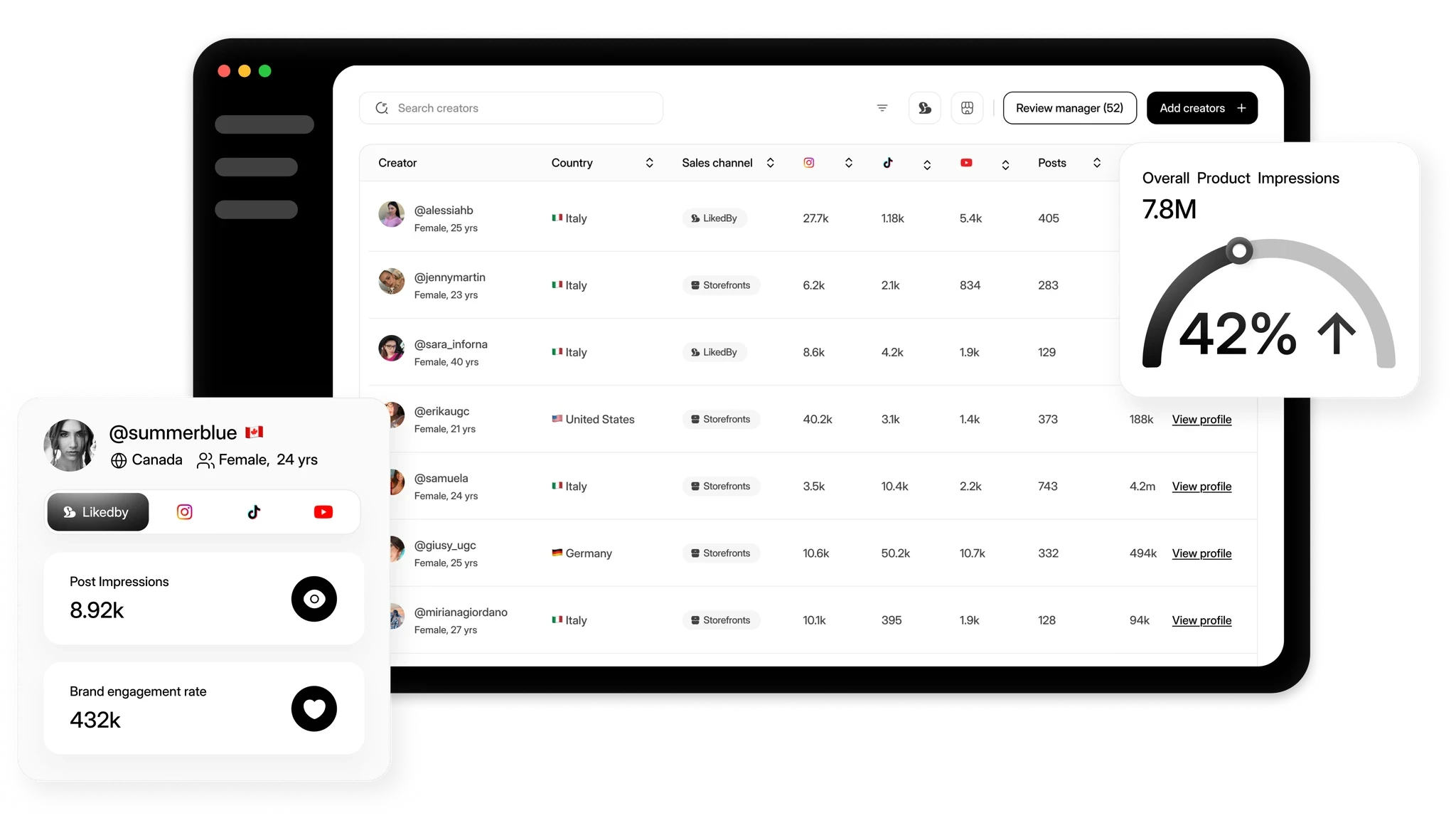
Socialscale is built as the operating system for social commerce, giving multichannel retail teams a single platform to manage every stage of creator collaboration. Rather than stitching together disconnected tools, teams use Socialscale to onboard creators, manage campaigns across channels, organize and distribute content, and track performance against revenue outcomes.
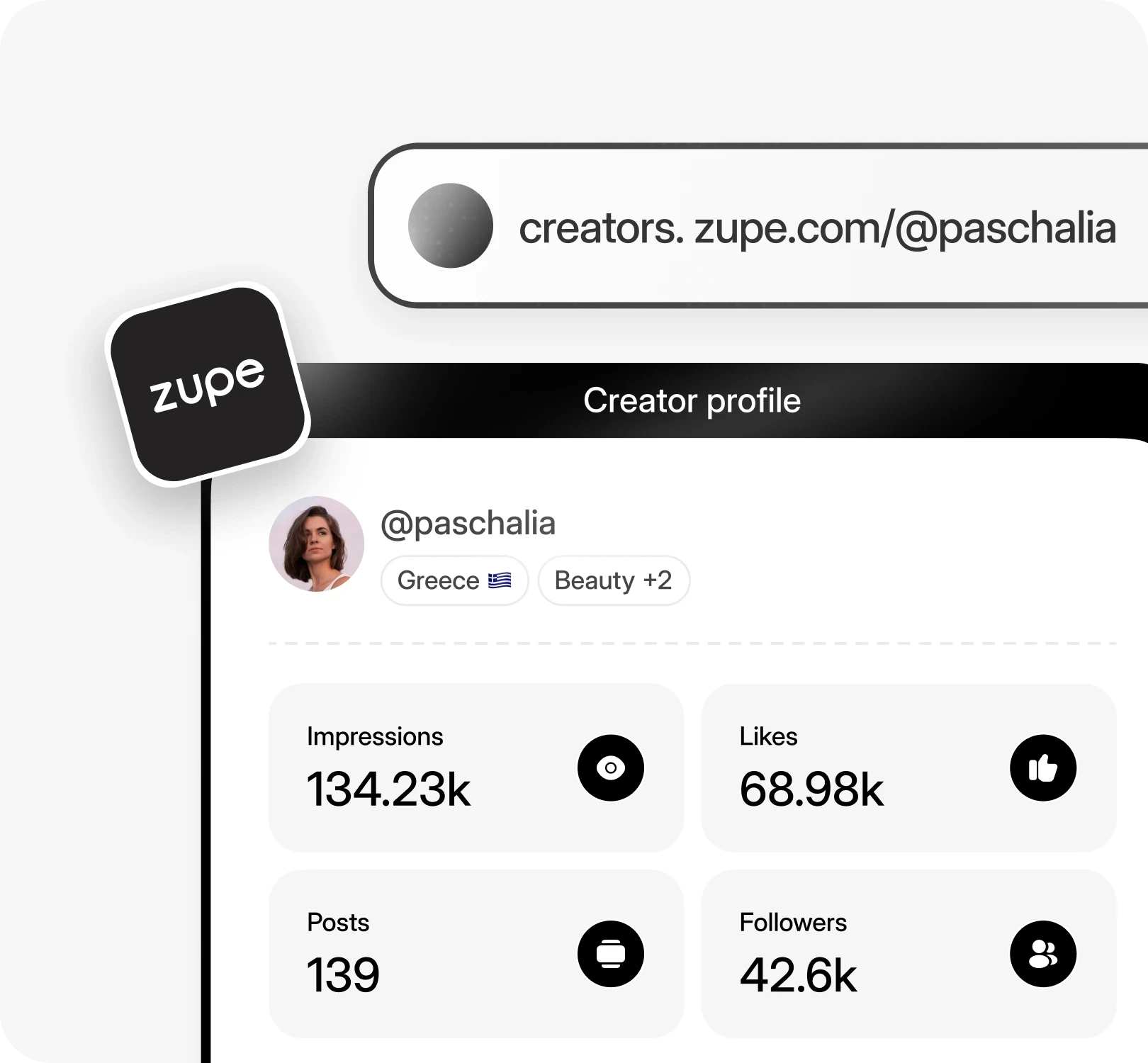
At the core is the creator CRM, which centralizes every creator relationship in one place. Whether a creator is producing TikTok content for your social shop, filming YouTube reviews for your DTC site, or creating Instagram content for a marketplace promotion, their profile, history, contracts, and performance data live in a single record. This eliminates the fragmentation that plagues most multichannel programs.
Campaign management within creator collaborations is designed for omnichannel workflows. Teams can create campaigns with channel-specific briefs, approval stages, and posting schedules while maintaining a unified view of the entire program. Content flows through structured approval workflows, ensuring brand consistency without creating bottlenecks.
Once content is approved, it is automatically organized in Creator Drive, Socialscale's content storage system. Assets are tagged by creator, campaign, channel, product, and usage rights, making it simple to find and repurpose high-performing content across channels. From there, teams can embed shoppable creator content directly on product pages using creator widgets, turning UGC into a conversion engine on the DTC storefront.
Performance tracking ties everything together. Socialscale's analytics connect creator activity to engagement, traffic, and revenue signals across channels, giving multichannel retail teams the data they need to optimize spend and scale what works.
Feature Breakdown for Multichannel Retail Teams
Omnichannel Campaign Briefs
Create a single campaign with multiple channel-specific briefs. For a holiday product launch, you might have one brief for TikTok creators focused on short-form unboxing content, another for Instagram creators producing carousel posts with swipe-to-shop CTAs, and a third for YouTube creators delivering in-depth product reviews. Each brief includes channel-specific dimensions, hashtag requirements, disclosure language, and posting windows, all managed within one campaign structure.
Centralized Creator CRM with Channel Tags
Every creator profile includes their active channels, content categories, historical performance by platform, compensation history, and contract status. Filter your creator roster by channel expertise, engagement rate, product category experience, or geographic location. When planning a campaign targeting West Coast customers across Instagram and TikTok, you can instantly identify your best-fit creators without digging through spreadsheets.
Multi-Stage Content Approval Workflows
Define approval workflows that match your organizational structure. A typical multichannel retailer might require initial concept approval from the brand team, draft review by the channel-specific marketing manager, legal review for compliance and disclosure, and final sign-off before posting. Each stage has clear owners, deadlines, and feedback mechanisms. Creators receive structured feedback directly within the platform, eliminating back-and-forth across email and DMs.
Content Asset Organization and Rights Tracking
Every piece of creator content is stored with full metadata: creator name, campaign, channel, product SKU, usage rights expiration, and content format. When the e-commerce team wants to feature creator UGC on a product detail page, they can search by product and instantly find approved assets with valid usage rights. When the paid media team needs raw footage for ad creative, they can filter by format and rights status.
Shoppable Content Embedding
Turn creator content into conversion-driving assets on your DTC storefront. Embed shoppable creator videos and images directly on product pages, collection pages, or dedicated creator storefronts. Each embedded asset links directly to the product for purchase, creating a seamless path from inspiration to checkout. This is where UGC management becomes a direct revenue driver rather than just a brand awareness play.
Creator Performance Tracking by Channel
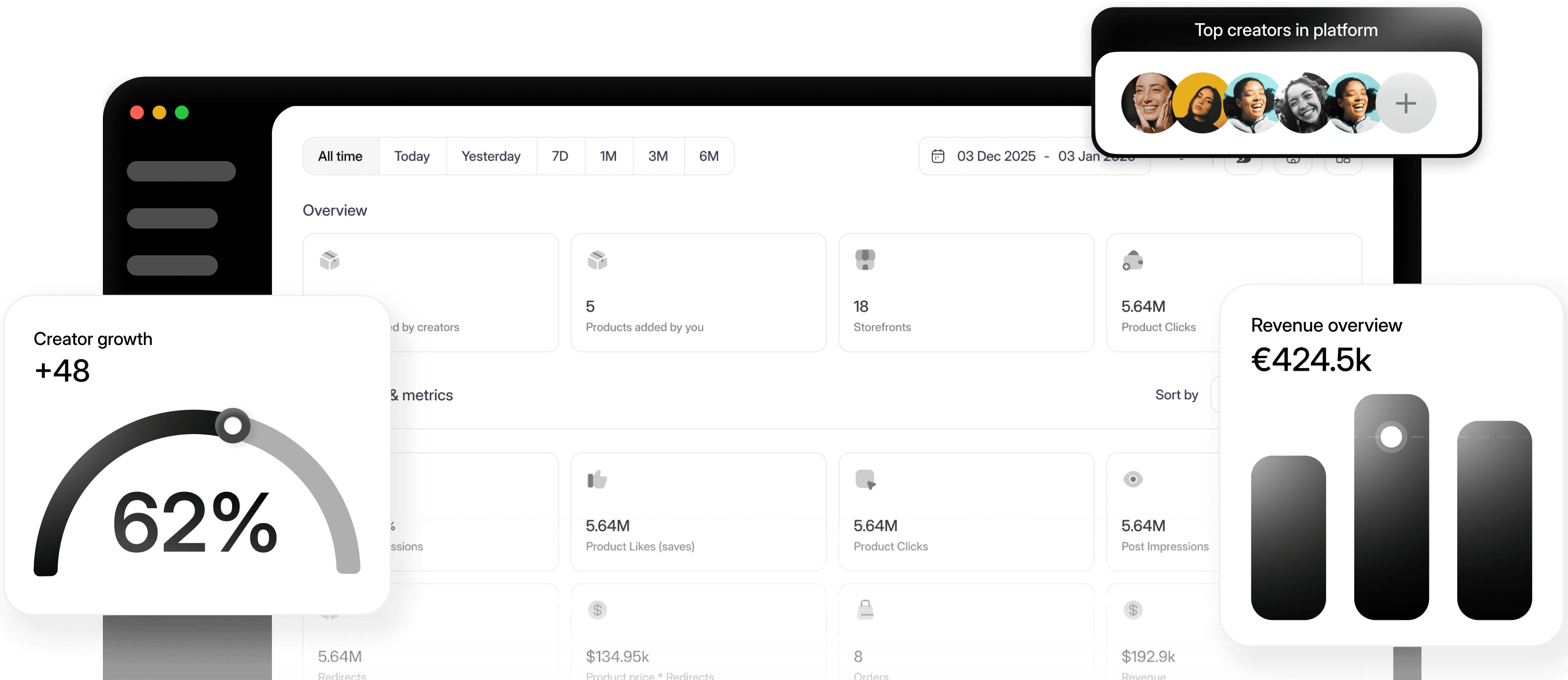
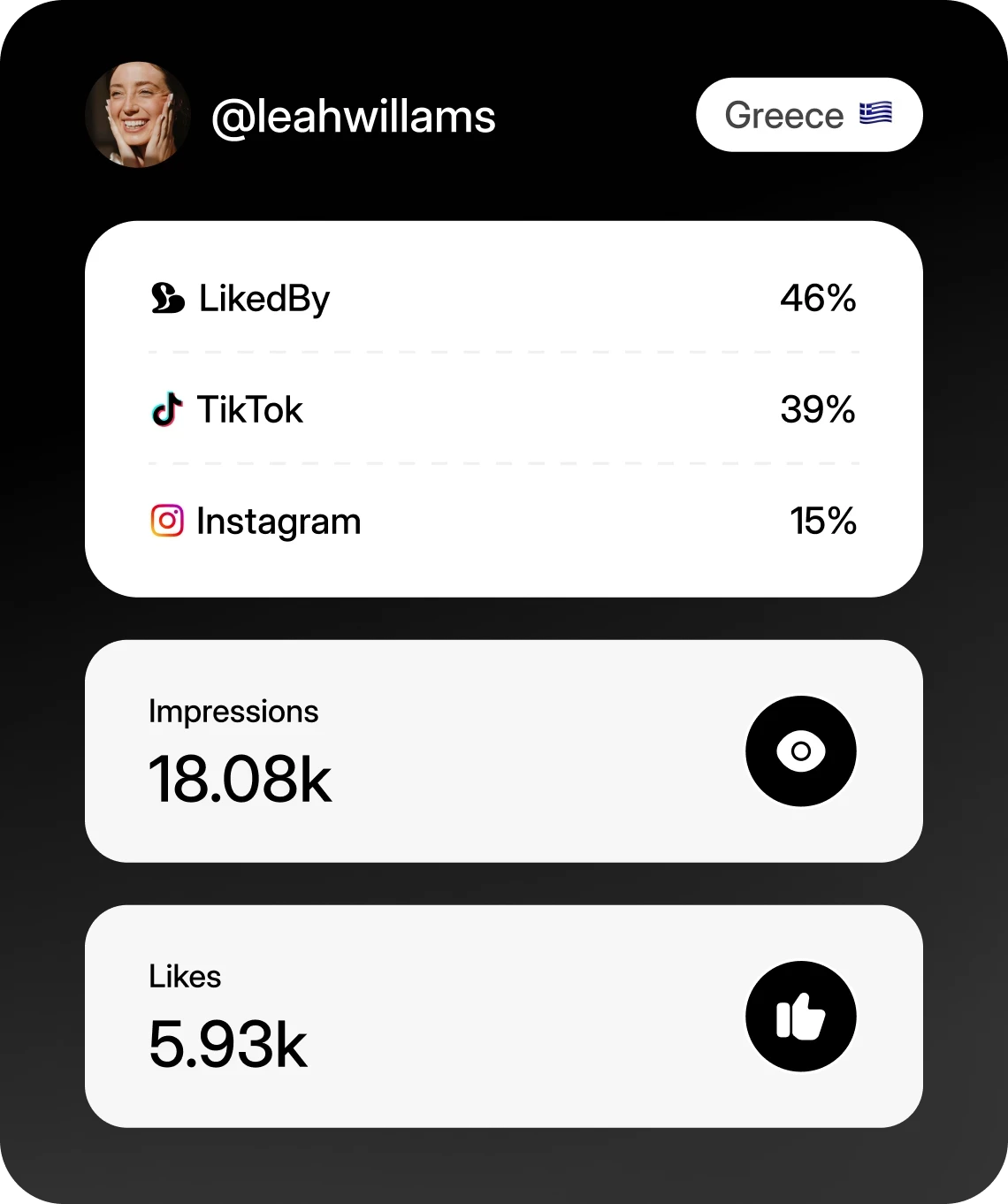
Track each creator's performance broken down by channel. See which creators drive the highest engagement on TikTok versus Instagram, which generate the most click-throughs to your Shopify store, and which produce content that converts at the highest rate when embedded on product pages. This channel-level granularity allows multichannel retailers to allocate creator budgets based on actual performance data rather than follower counts.
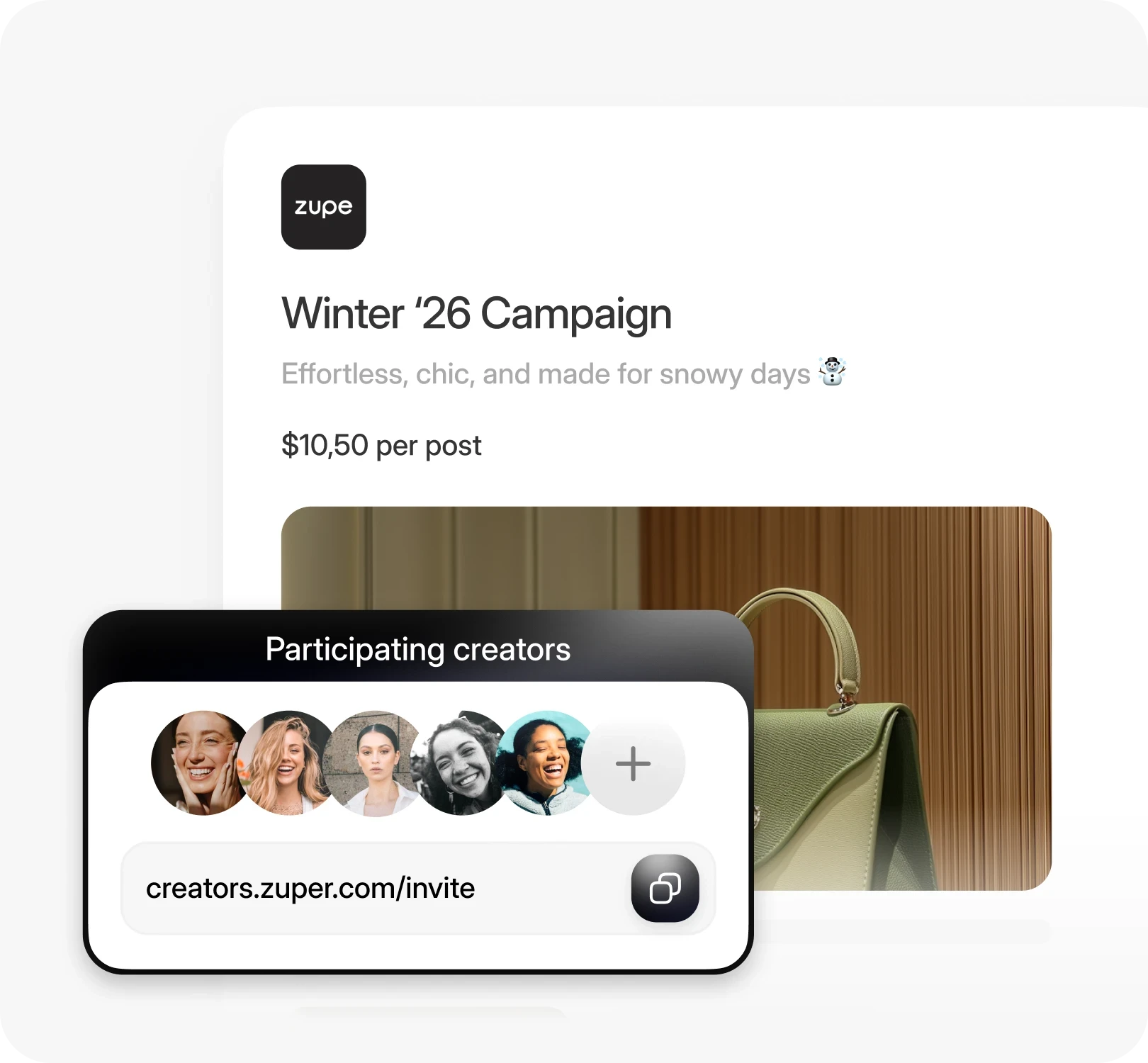
Affiliate Creator Program Management
Manage affiliate creator programs with unique tracking links, commission structures, and payout tracking. Assign different commission rates by product category or channel. Track affiliate-driven revenue alongside organic creator content performance to get a complete picture of your creator program's financial impact.
Use Cases for Multichannel Retail Teams
Synchronized Product Launch Across All Channels
A multichannel retailer launching a new product line needs creator content going live simultaneously across TikTok, Instagram, YouTube, and embedded on the DTC product pages. The marketing team creates a single campaign with channel-specific briefs, onboards 40 creators segmented by platform expertise, and manages a staggered approval workflow so all content is reviewed and scheduled two weeks before launch day. On launch morning, creator content goes live across every channel while shoppable UGC is already embedded on the product pages, creating a unified brand moment that drives traffic from social directly to purchase.
Seasonal Mega-Sale Creator Activation
During Black Friday and Cyber Monday, a retailer activates its full creator roster of 150 creators across three tiers: top-tier ambassadors creating hero content for YouTube and Instagram, mid-tier creators producing high-volume TikTok content, and micro-creators sharing authentic product picks on Instagram Stories. Each tier has different compensation structures, content requirements, and posting schedules. The team uses a centralized dashboard to monitor content delivery in real time, quickly re-briefing creators whose content misses the mark and amplifying top performers with paid media budget.
Always-On Affiliate Creator Storefront Program
A home goods retailer runs an ongoing affiliate creator program where 60 creators maintain personalized creator storefronts on the brand's website. Each storefront features the creator's curated product picks with shoppable content. Creators earn commissions on sales driven through their storefronts. The marketing team reviews new content submissions weekly, refreshes featured creators monthly based on performance data, and recruits new creators quarterly to keep the program growing. This always-on approach generates consistent revenue from creator-driven traffic without the feast-or-famine cycle of campaign-based programs.
Marketplace-Specific UGC Content Pipeline
A retailer selling on Amazon, Walmart Marketplace, and their own Shopify store needs a steady stream of product review content optimized for each platform. The team recruits creators who specialize in product review content, briefs them with marketplace-specific guidelines, and collects finished assets into a content library organized by SKU and platform. The e-commerce team pulls approved assets weekly to update product listings across marketplaces, improving conversion rates with authentic creator content that builds buyer confidence.
Weekly and Monthly Operational Workflow
Running omnichannel creator campaigns for a multichannel retailer requires consistent operational cadences. Below is a practical workflow that marketing teams can implement immediately.
Weekly: Creator Pipeline Review
Every Monday, the influencer marketing manager reviews the creator CRM to assess inbound creator applications, flag creators whose contracts are expiring, and identify gaps in channel coverage. If TikTok creator capacity is low for an upcoming campaign, recruitment outreach begins immediately.
Weekly: Content Approval Cycle
Tuesdays and Thursdays are dedicated content review days. The team reviews submitted drafts against campaign briefs, provides structured feedback within the platform, and moves approved content to the asset library. Maintaining a twice-weekly cadence prevents approval bottlenecks that delay posting schedules.
Weekly: Performance Check-In
Every Friday, the team pulls channel-level performance data for active campaigns. They review engagement rates, click-through rates, and early revenue signals by creator and by channel. Underperforming content is flagged for optimization, and top-performing creators are noted for increased allocation in future campaigns.
Bi-Weekly: Campaign Planning and Briefing
Every two weeks, the team finalizes briefs for upcoming campaigns. This includes defining channel-specific content requirements, selecting creators from the CRM based on past performance and channel fit, setting approval workflow stages, and establishing posting schedules synchronized across channels.
Monthly: Content Library Audit
Once a month, the team audits the content library to archive expired usage rights, tag high-performing assets for repurposing, and identify content gaps by product category or channel. This ensures the e-commerce team always has fresh, rights-cleared creator content available for product pages and marketing materials.
Monthly: Creator Program Performance Report
The team compiles a monthly report covering total content output, creator activation rate, revenue attributed to creator content by channel, cost per acquisition, and return on creator spend. This report is shared with e-commerce directors and brand leadership to inform budget allocation decisions.
Quarterly: Creator Roster Optimization
Every quarter, the team evaluates the full creator roster. Creators who consistently underperform are offboarded. High performers are offered upgraded partnership tiers with better compensation and exclusivity terms. New creators are recruited to fill gaps in channel coverage, product category expertise, or audience demographics.
Quarterly: Channel Strategy Review
The team reviews which channels are delivering the strongest creator-driven results and adjusts the omnichannel strategy accordingly. If TikTok Shop is outperforming Instagram in driving direct sales, creator recruitment and budget allocation shift to reflect that reality.
Key Performance Indicators for Omnichannel Creator Programs
Multichannel retailers should track these KPIs to measure the health and ROI of their creator collaboration programs.
Creator Activation Rate: Percentage of onboarded creators who delivered content within the campaign window. Target above 85% for well-managed programs.
Content Approval Time: Average time from content submission to final approval. Benchmark of 48 hours or less prevents posting delays.
Content Output per Creator: Average number of approved content assets per creator per month, broken down by channel.
Click-Through Rate (CTR): Percentage of viewers who click through from creator content to a product page or storefront, tracked by channel.
Conversion Rate (CVR): Percentage of creator-driven traffic that completes a purchase, measured by channel and by creator.
Gross Merchandise Value (GMV): Total revenue generated through creator-driven traffic across all channels, including DTC, marketplace, and social shop sales.
Return on Creator Spend (ROCS): Total creator-attributed revenue divided by total creator program costs, including fees, product seeding, and platform costs.
Cost Per Acquisition (CPA): Total creator program spend divided by the number of new customers acquired through creator content.
Content Repurpose Rate: Percentage of creator content that is reused across additional channels beyond the original posting platform.
Creator Retention Rate: Percentage of creators who participate in multiple campaigns over a 6-month period, indicating relationship health.
Scenario: Omnichannel Creator Program for a Fashion Retailer
A mid-market fashion retailer selling through their Shopify DTC store, Amazon, and 12 physical locations wanted to build a creator program that drove measurable revenue across all channels. Previously, their social media team managed 15 Instagram creators through email and Google Sheets, while the e-commerce team independently hired freelance content creators for product page imagery. Neither team shared assets, performance data, or creator relationships.
The retailer consolidated both programs into a single omnichannel creator collaboration platform. They onboarded 75 creators across TikTok, Instagram, and YouTube, segmented by channel expertise and product category affinity. Each creator was profiled in the centralized CRM with channel performance history, content style tags, and compensation preferences.
For their spring collection launch, the team ran a synchronized campaign with channel-specific briefs. TikTok creators produced try-on haul videos optimized for TikTok Shop. Instagram creators delivered styled outfit carousels with swipe-to-shop links. YouTube creators filmed detailed lookbook reviews. All content went through a structured three-stage approval workflow with a 36-hour average approval time.
Approved content was organized in the asset library by SKU and channel. The e-commerce team embedded the top-performing creator videos and images on 45 product pages within the first week. The paid media team repurposed six creator videos as TikTok Spark Ads and Instagram Reels ads.
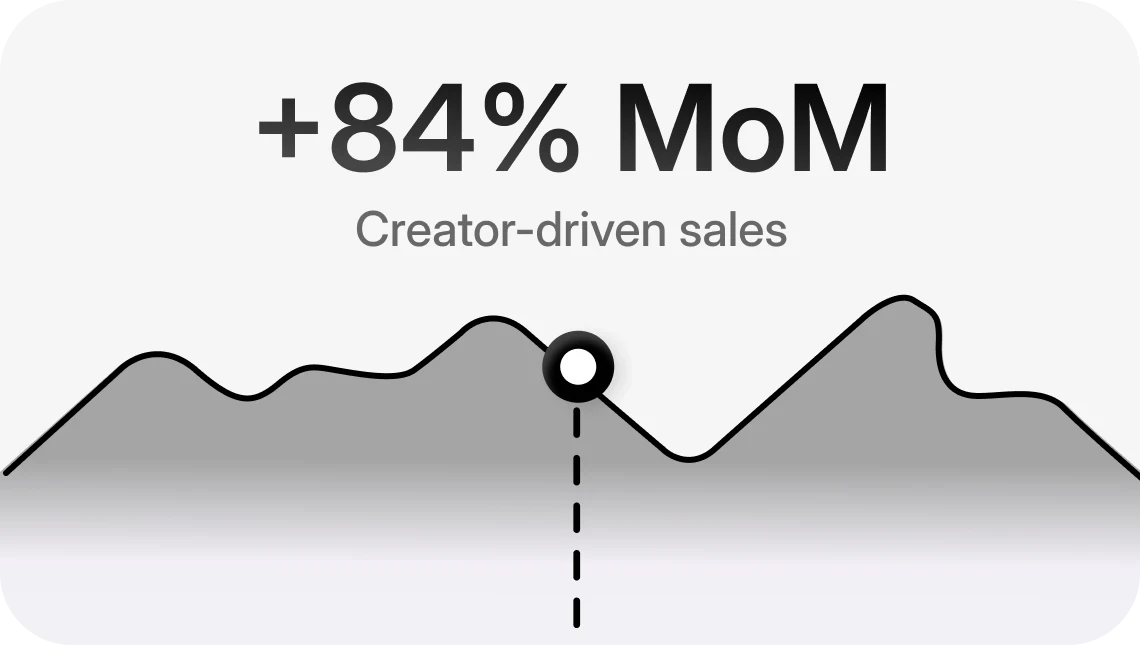
Results over the 8-week campaign period: 312 pieces of approved creator content delivered. Creator-driven traffic to the Shopify store increased 140% compared to the previous quarter. Conversion rate on product pages featuring embedded creator content was 2.8x higher than pages without. Total creator-attributed GMV reached $420,000 across DTC and marketplace channels. Return on creator spend was 6.2x. Content approval time dropped from an average of 5 days to 36 hours. The retailer has since expanded the program to 120 creators and runs monthly campaign cycles.
Frequently Asked Questions
How does Socialscale handle creator collaborations across multiple retail channels simultaneously?
Socialscale allows you to create campaigns with channel-specific briefs within a single campaign structure. Each brief can have its own content specs, posting requirements, and approval workflows while the overall campaign maintains a unified view. This means your team can manage TikTok, Instagram, YouTube, and DTC content programs from one dashboard without losing channel-specific nuance.
Can we track which creators drive revenue on our Shopify store versus other channels?
Yes. Socialscale's creator analytics break down performance by channel, allowing you to see which creators drive the most traffic, highest conversion rates, and greatest revenue on each sales channel. This channel-level attribution helps multichannel retailers allocate budgets based on actual revenue impact rather than vanity metrics.
How does the platform help with UGC management and content repurposing?
Every approved piece of creator content is automatically stored in the content library with full metadata including creator name, campaign, channel, product SKU, content format, and usage rights expiration date. Teams can search and filter assets to find the right content for product pages, paid ads, email campaigns, or marketplace listings. Usage rights tracking ensures you never use content beyond its licensed period.
What compensation models does Socialscale support for multichannel creator programs?
The platform supports flat-fee collaborations, product seeding, affiliate commission structures, and hybrid models. You can assign different compensation structures by creator tier, channel, or campaign type. Affiliate creator programs include unique tracking links, commission rate management, and payout tracking, giving multichannel retailers full flexibility in how they structure creator economics.
How long does it take to onboard a multichannel retail team onto Socialscale?
Most multichannel retail teams are fully operational within two to three weeks. This includes importing existing creator contacts into the CRM, setting up campaign templates with channel-specific briefs, configuring approval workflows, and connecting integrations. Teams with existing creator rosters can begin running campaigns within the first week. Book a demo to see the onboarding process in detail.