Creator Collaboration for Fitness Brands: Track and Scale Fitness Ambassador Content Delivery
Fitness brands operate in one of the most creator-driven categories in social commerce. From supplement launches to activewear drops, the ability to coordinate dozens or hundreds of fitness ambassadors around product seeding, workout content, and shoppable storefronts is what separates high-growth brands from those stuck in manual spreadsheet chaos. Creator collaboration for fitness brands is not just about finding influencers — it is about building a repeatable system for briefing, content delivery, approval, and performance measurement across every campaign cycle.
Tracking fitness ambassador content delivery has become a critical operational challenge. When you run ambassador programs with personal trainers, bodybuilders, yoga instructors, and everyday fitness creators, content arrives in different formats, on different timelines, and across different platforms. Without a centralized collaboration workflow, marketing teams lose visibility into what has been delivered, what is pending approval, and what is actually driving revenue.
This page breaks down how fitness brands can structure creator collaborations end-to-end — from onboarding ambassadors and managing campaign briefs to organizing delivered assets and measuring content performance — using purpose-built infrastructure designed for the demands of modern fitness marketing.
Scaling Ambassador Programs Beyond a Handful of Creators
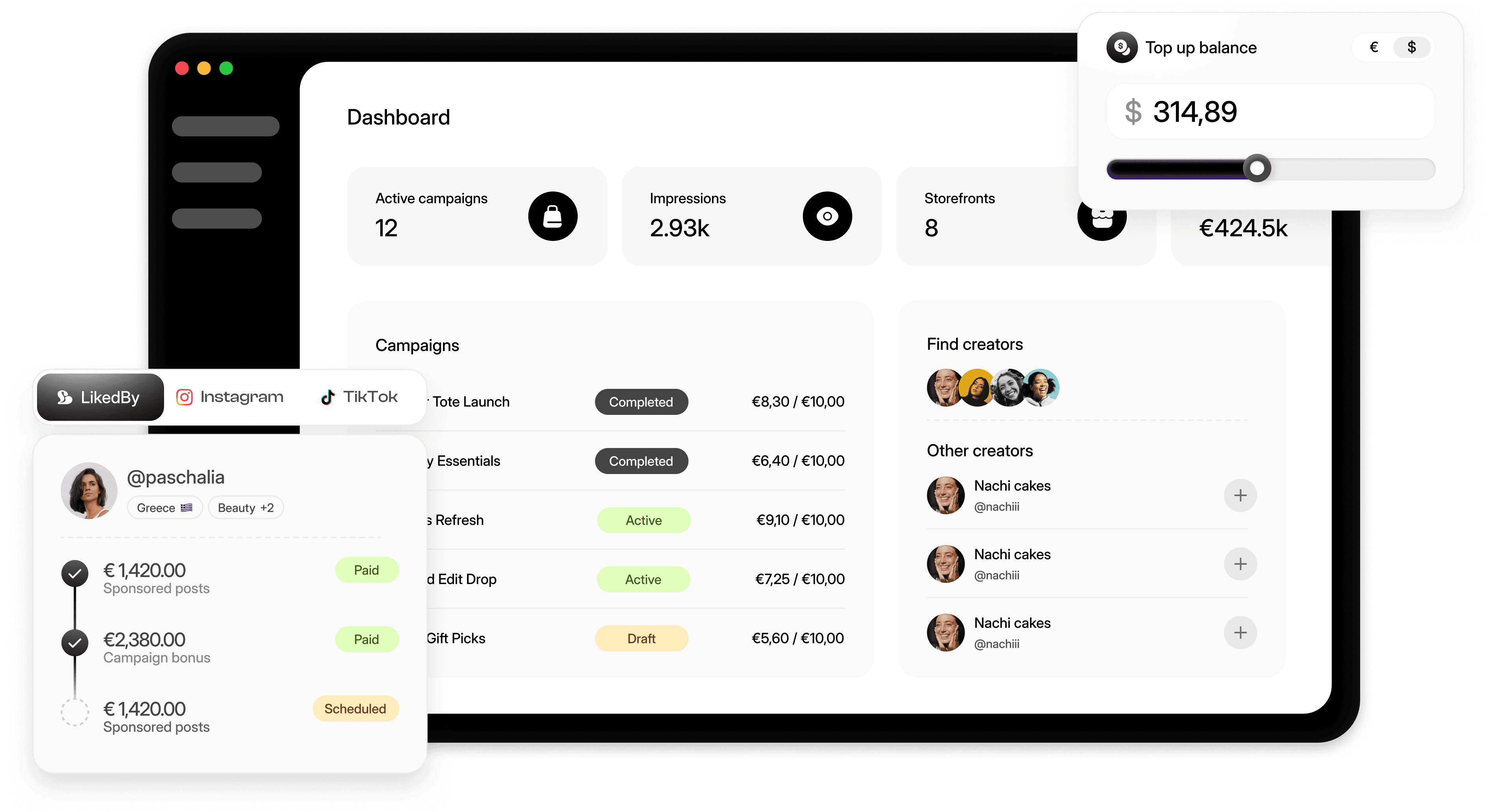
Most fitness brands start with 5–10 ambassadors and manage everything through DMs and spreadsheets. Once programs grow to 50, 100, or 500+ creators, the lack of structured collaboration workflows causes missed deadlines, lost content, and inconsistent brand messaging across fitness verticals like strength training, yoga, running, and nutrition.
Content Delivery Tracking Across Multiple Platforms
Fitness ambassadors post across Instagram Reels, TikTok, YouTube Shorts, and Stories. Tracking which creator delivered which asset, on which platform, and whether it met the brief requirements is nearly impossible without a centralized system. Teams waste hours each week chasing creators for proof of posting.
Maintaining Brand Consistency Across Diverse Fitness Niches
A CrossFit athlete and a Pilates instructor speak to very different audiences. Fitness brands must ensure that product messaging, visual guidelines, and compliance requirements are met across all niches without micromanaging every creator. This requires structured briefs and approval workflows.
Connecting Content Output to Revenue
Fitness brands invest heavily in product seeding — sending protein powders, resistance bands, apparel, and supplements to creators. But most teams cannot connect a specific creator's content to actual sales, making it difficult to justify program spend or identify top-performing ambassadors.
Managing Seasonal Campaign Surges
New Year resolution campaigns, summer body pushes, and Black Friday supplement sales create massive spikes in creator activity. Without scalable collaboration tools, marketing teams become bottlenecks during these critical revenue periods.
Content Rights and Asset Organization
Fitness content — workout tutorials, transformation videos, recipe demos — has long shelf life for repurposing in paid ads, email, and on-site galleries. But most brands lack a system to store, tag, and retrieve creator assets with proper usage rights documentation.
Affiliate and Commission Tracking Fragmentation
Many fitness ambassador programs include affiliate components with unique discount codes or trackable links. When collaboration management and affiliate tracking live in separate tools, reconciling who earned what becomes a monthly headache for operations teams.
Spreadsheets Cannot Handle Multi-Creator, Multi-Campaign Workflows
Fitness brands running ambassador programs across product lines — pre-workout, apparel, equipment — quickly outgrow Google Sheets. There is no way to track content delivery status, approval stages, asset versions, and performance data in a flat spreadsheet without constant manual updates and inevitable errors.
Generic Project Management Tools Lack Creator Context
Tools like Asana, Monday, or Trello were not built for creator marketing. They do not understand the relationship between a creator profile, a campaign brief, a delivered Instagram Reel, and the revenue that Reel generated. Fitness marketing teams end up building fragile workarounds that break every quarter.
Influencer Discovery Platforms Stop at the Handshake
Most influencer marketing software focuses on finding creators and sending outreach. But for fitness brands, the real operational challenge begins after onboarding — managing ongoing collaborations, tracking content delivery against deadlines, organizing assets, and measuring performance over months or years of ambassador relationships.
Disconnected Tool Stacks Create Data Silos
When your creator CRM lives in one tool, content approvals in another, asset storage in Google Drive, and performance data in platform-native analytics, no one on the team has a unified view. This fragmentation is especially costly for fitness brands running always-on ambassador programs alongside seasonal campaigns.
Manual Reporting Delays Decision-Making
If your team spends the first week of every month pulling screenshots and compiling creator performance reports, you are making decisions on stale data. Fitness product cycles move fast — a supplement launch window is weeks, not months — and delayed insights mean missed optimization opportunities.
How Socialscale Powers Creator Collaboration for Fitness Brands
Socialscale is built as the operating system for social commerce, giving fitness brands a single platform to manage every stage of creator collaboration — from onboarding fitness ambassadors into a structured creator CRM to tracking content delivery, organizing assets, and measuring revenue impact. Instead of stitching together five or six disconnected tools, fitness marketing teams get one unified workspace designed for the operational realities of ambassador programs.
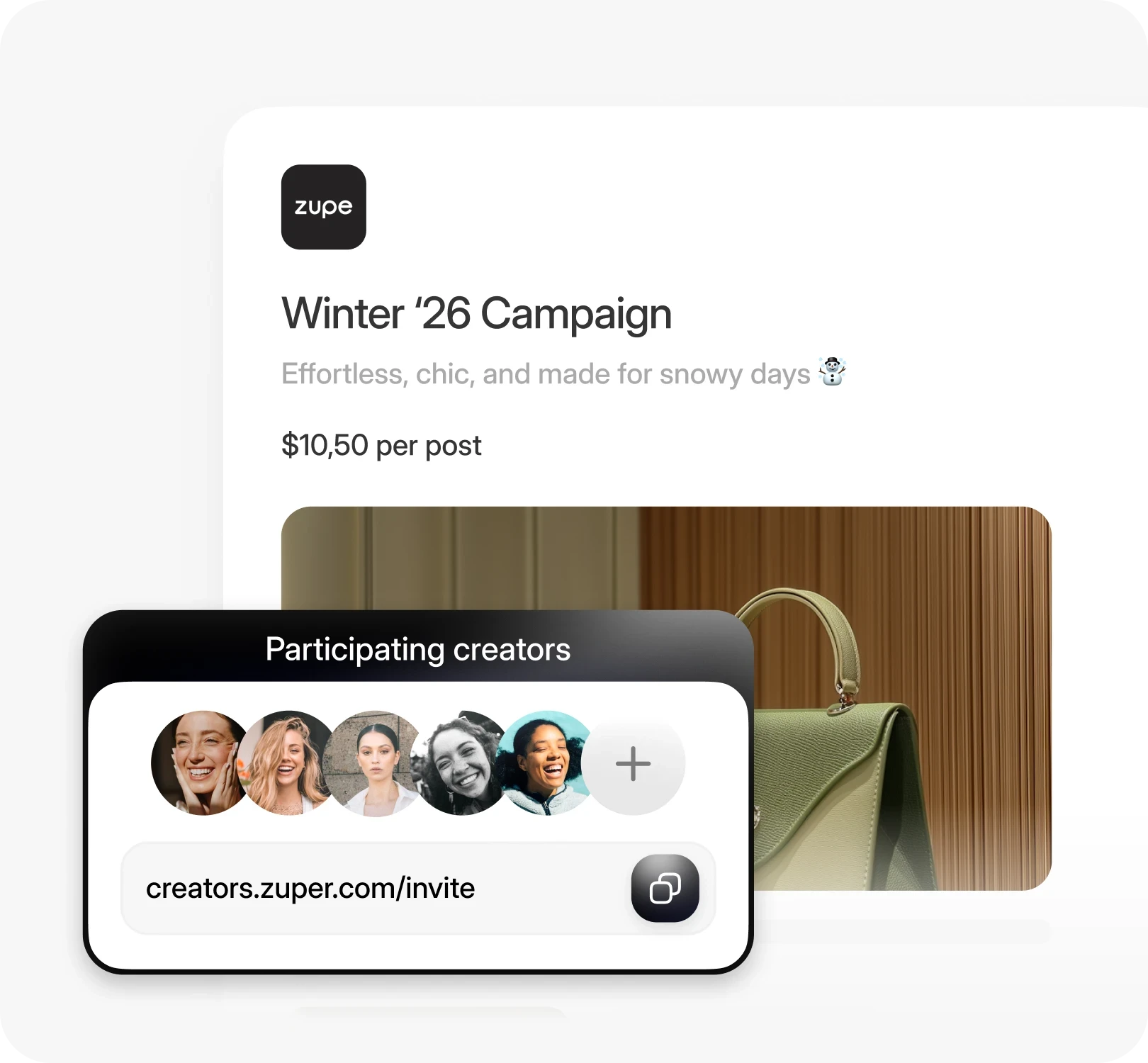
The platform's creator collaborations module lets teams create campaign briefs with specific deliverables — say, two Instagram Reels featuring a new whey protein flavor and one TikTok workout video — assign them to segmented creator groups, and track delivery status in real time. Every piece of content flows into a centralized review queue where brand managers can approve, request revisions, or flag compliance issues before anything goes live.
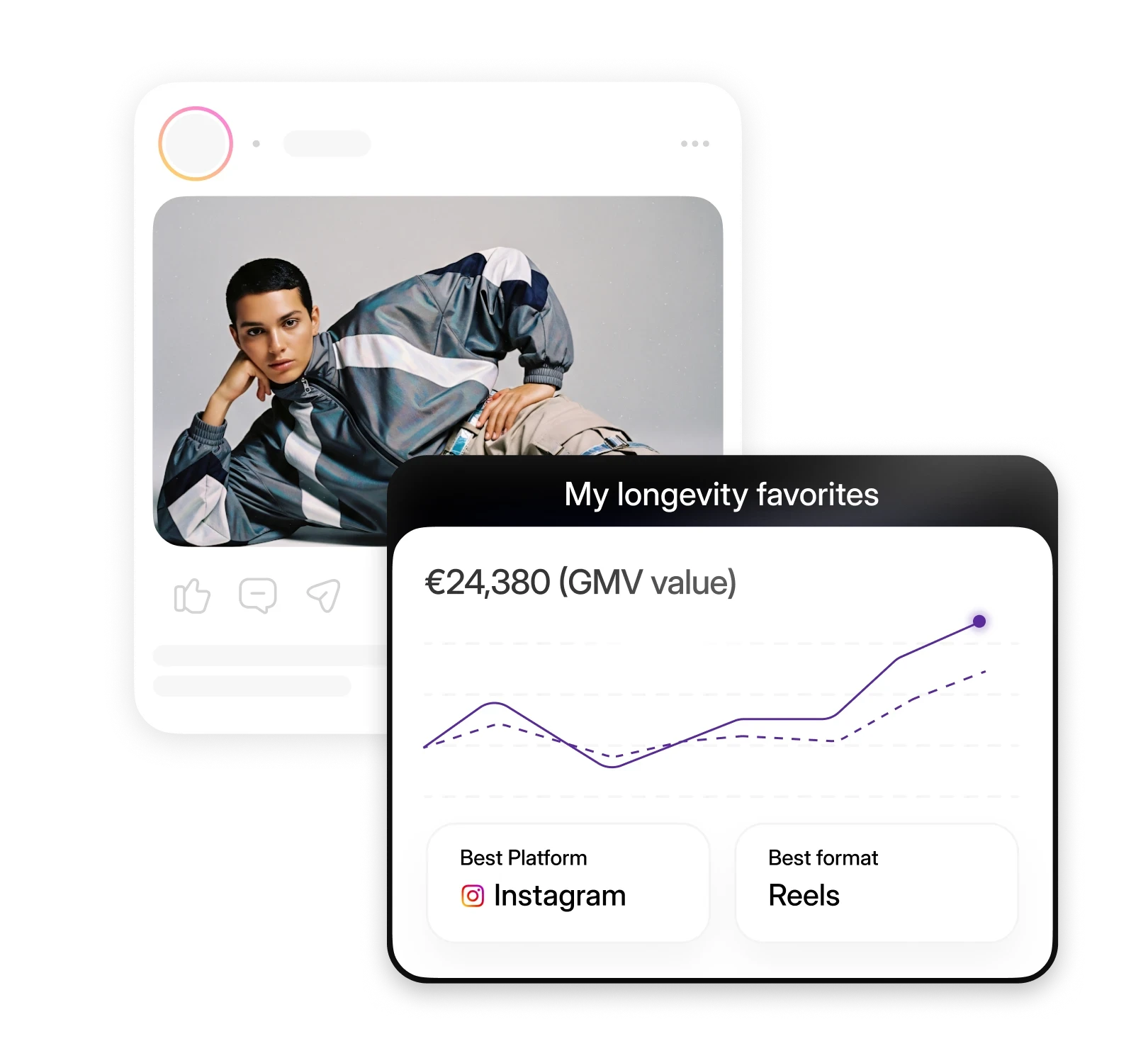
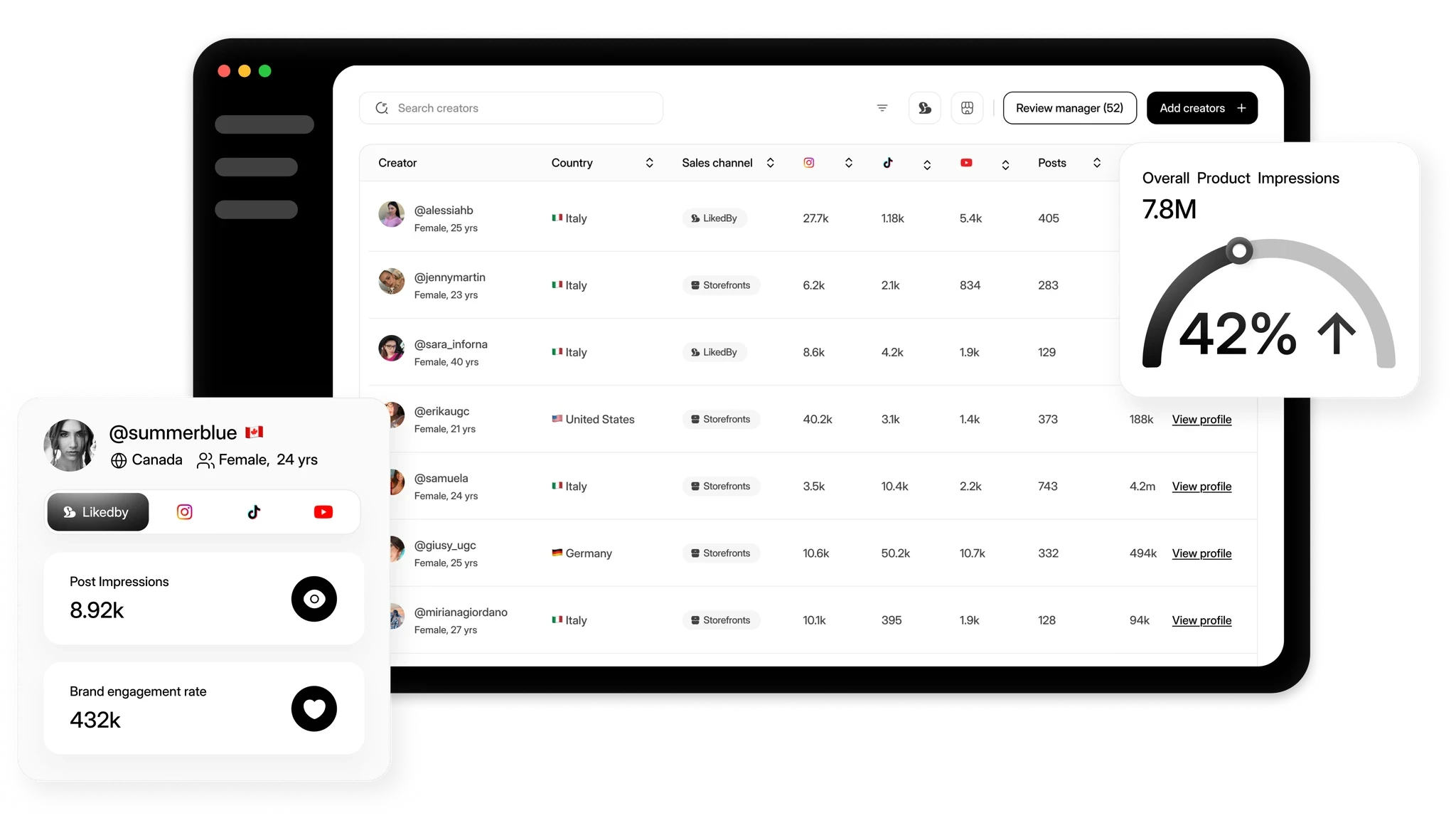
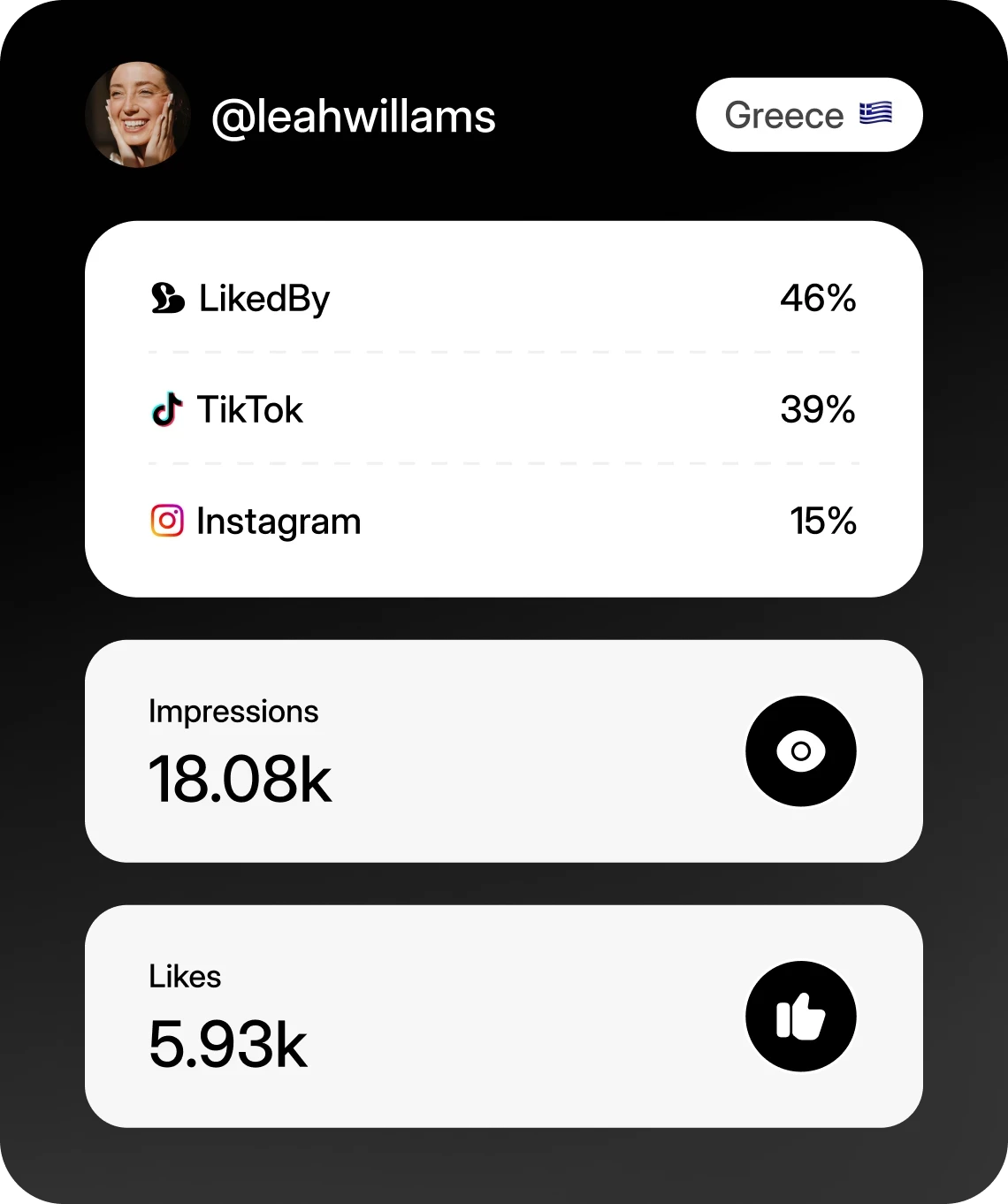
Once content is approved and published, Socialscale connects the dots between creator output and business results. The creator analytics dashboard tracks engagement, click-through rates, and conversion signals at the individual creator and campaign level. For fitness brands running affiliate programs, this means you can finally see which ambassador's transformation video actually moved product — and double down on what works.
Beyond tracking, Socialscale's asset management and shoppable content capabilities let fitness brands repurpose top-performing creator content across their entire digital ecosystem, turning ambassador workouts and product demos into revenue-generating touchpoints on product pages, landing pages, and social storefronts.
Feature Breakdown: Creator Collaboration Tools for Fitness Brands
Campaign Brief Builder with Fitness-Specific Deliverables
Create structured briefs that specify exactly what you need from each ambassador: content format (Reel, TikTok, YouTube Short, Story), product focus (pre-workout, leggings, resistance bands), messaging requirements, hashtags, discount codes, and posting deadlines. Briefs are assigned to individual creators or creator segments, and delivery status updates automatically as content is submitted.
Content Delivery Tracking and Approval Workflows
Every piece of submitted content appears in a centralized queue with creator name, campaign association, platform, and submission date. Brand managers review content against brief requirements, approve with one click, or send revision notes directly to the creator. No more chasing content through email threads or Instagram DMs.
Creator Segmentation and Group Management
Organize your fitness ambassadors by niche (bodybuilding, yoga, running, functional fitness), tier (micro, mid, macro), product affinity, geographic market, or custom tags. This segmentation powers targeted campaign assignments — send your new plant-based protein brief only to vegan fitness creators, for example — and enables meaningful performance comparisons across segments.
Centralized Asset Storage with Tagging and Rights Management
All delivered creator content is automatically stored in Creator Drive, organized by campaign, creator, product, and content type. Each asset carries metadata about usage rights, expiration dates, and platform origin. When your paid media team needs high-performing workout videos for ad creative, they search and filter instead of digging through folders.
Shoppable Content Embedding
Turn your best fitness ambassador content into shoppable experiences on your website. Creator widgets let you embed creator workout videos, product reviews, and transformation content directly on product pages, collection pages, and dedicated ambassador landing pages — with direct add-to-cart functionality that connects content to conversion.
Performance Tracking at Creator and Campaign Level
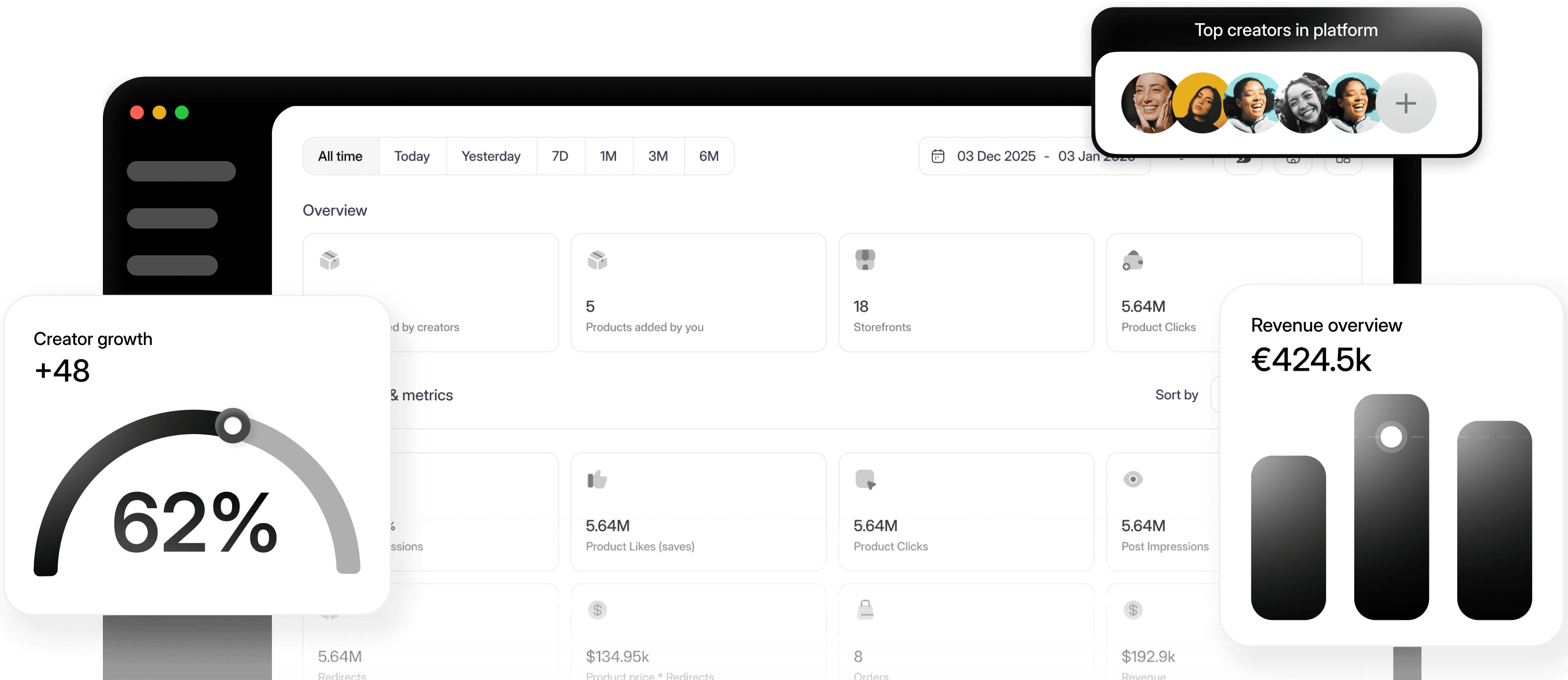
Track content output volume, engagement rates, click-through rates, conversion rates, and revenue attribution for every creator and every campaign. Identify which ambassadors consistently deliver high-performing content and which campaigns generate the strongest return on product seeding investment.
Automated Onboarding and Creator Communication
Streamline how new fitness ambassadors join your program with branded onboarding flows that collect creator details, social handles, content preferences, shirt sizes for product seeding, and agreement to program terms. Ongoing communication — brief assignments, deadline reminders, approval notifications — flows through the platform rather than scattered across email and messaging apps.
Use Cases: Creator Collaboration in Action for Fitness Brands
1. Supplement Brand Launches a New Pre-Workout Flavor with 200 Ambassadors
A sports nutrition brand is launching a new tropical mango pre-workout and wants 200 fitness ambassadors to create content within a two-week window. The marketing team builds a campaign brief specifying one Instagram Reel and one TikTok video per creator, with required talking points about taste, mixability, and energy boost. Briefs are assigned to segmented creator groups — gym athletes, home workout creators, and endurance athletes — each with slightly tailored messaging angles. As content rolls in, the team tracks delivery in real time, approves assets, and monitors which creator segments drive the most engagement and discount code redemptions during launch week.
2. Activewear Brand Runs a Seasonal "Summer Ready" Campaign
An activewear brand activates its ambassador network for a six-week summer campaign featuring new shorts, sports bras, and tank tops. Each ambassador receives a product seeding package and a brief requesting three pieces of content: one outfit-of-the-day post, one workout video wearing the product, and one Story with a swipe-up link to the collection page. The team uses creator segmentation to assign different product SKUs based on each ambassador's audience demographics and fitness niche. Content delivery is tracked against weekly milestones, and top-performing assets are embedded as shoppable galleries on the brand's summer collection landing page.
3. Fitness Equipment Company Builds an Always-On Ambassador Content Engine
A home fitness equipment company maintains a year-round ambassador program with 75 creators who produce monthly content featuring their adjustable dumbbells, pull-up bars, and resistance bands. Each month, the team issues a new brief with a rotating product focus and seasonal angle — New Year goals in January, outdoor workouts in June, holiday gift guides in November. The collaboration platform tracks monthly delivery rates, flags creators who miss deadlines, and surfaces the top 10 performers each quarter for increased product allocation and bonus incentives. All delivered content is stored, tagged, and available for the paid media team to pull into ad campaigns.
4. Wellness Brand Coordinates a Multi-Platform Challenge Campaign
A wellness brand selling protein bars and hydration supplements launches a 30-day fitness challenge across Instagram, TikTok, and YouTube. Fifty ambassadors are briefed to post weekly check-in content using a branded hashtag, with each week focusing on a different product from the line. The collaboration workflow tracks delivery across all three platforms per creator, ensuring no one falls behind on the posting schedule. The brand measures hashtag reach, user-generated participation beyond the ambassador network, and direct sales attributed to each creator's unique affiliate link throughout the challenge period.
Weekly and Monthly Workflow for Tracking Fitness Ambassador Content Delivery
Running a fitness ambassador program requires consistent operational rhythms. Below is a practical workflow that fitness brand marketing teams can follow to keep creator collaborations on track and content delivery measurable.
Weekly: Review Content Delivery Dashboard
Every Monday, the influencer marketing manager opens the collaboration dashboard to check content delivery status across active campaigns. The view shows which creators have submitted content, which submissions are pending review, and which creators have missed their delivery window. This 15-minute check replaces the old process of scrolling through DMs and email threads.
Weekly: Approve or Request Revisions on Submitted Content
The brand manager reviews all pending submissions against brief requirements — correct product featured, approved messaging, proper hashtags and discount codes included, video quality standards met. Approved content moves to the asset library. Revision requests go directly to the creator with specific notes.
Bi-Weekly: Monitor Creator Performance Metrics
Every two weeks, the team reviews engagement rates, click-through rates, and conversion data at the creator level. This identifies which ambassadors are driving real results versus those generating vanity metrics. Low performers receive adjusted briefs or coaching; top performers are flagged for expanded collaboration.
Monthly: Issue New Campaign Briefs
At the start of each month, the team creates and distributes new campaign briefs aligned with the product marketing calendar. Briefs are assigned to relevant creator segments based on product focus, audience fit, and past performance. Deadlines, deliverable specifications, and compensation details are clearly documented within each brief.
Monthly: Reconcile Affiliate Commissions and Product Seeding Costs
The operations team pulls affiliate sales data and matches it against creator profiles to calculate commissions earned. Product seeding costs are logged against each creator to calculate true program ROI. This data informs decisions about which ambassadors receive continued product allocation.
Monthly: Curate Top Content for Repurposing
The content team identifies the highest-performing creator assets from the past month and tags them for repurposing. Top workout videos become paid ad creative. Best product reviews are embedded as shoppable content on product pages. Transformation content feeds email marketing campaigns.
Quarterly: Evaluate Ambassador Roster and Program Structure
Every quarter, the team reviews overall program performance — content delivery rates, average engagement by creator tier, revenue per ambassador, and cost per acquisition. Underperforming creators are offboarded or moved to lower tiers. High performers are invited into exclusive tiers with better compensation and early product access.
Quarterly: Align Creator Program with Product Launch Calendar
The marketing team syncs the upcoming quarter's product launches, seasonal campaigns, and promotional events with the creator collaboration calendar. This ensures briefs are prepared in advance, product seeding shipments are scheduled, and creator capacity is allocated appropriately across overlapping campaigns.
Key Performance Indicators for Fitness Ambassador Content Delivery
Tracking the right KPIs ensures your fitness brand's creator collaboration program is operationally efficient and commercially effective. These are the metrics that matter most for teams managing ambassador content delivery at scale.
Content Delivery Rate: Percentage of assigned briefs where content was submitted on time. Target: 85%+ for established ambassador programs.
Approval Rate (First Submission): Percentage of submitted content approved without revision requests. Indicates brief clarity and creator alignment.
Average Approval Turnaround Time: Hours or days between content submission and brand approval. Faster approvals mean faster time-to-market for campaign content.
Content Output per Creator per Month: Average number of deliverables produced by each ambassador. Helps identify high-volume contributors and underperformers.
Engagement Rate by Creator Segment: Average engagement (likes, comments, saves, shares) segmented by fitness niche, creator tier, or product category.
Click-Through Rate (CTR): Percentage of viewers who click affiliate links, discount codes, or shoppable content CTAs from creator posts.
Conversion Rate (CVR): Percentage of clicks that result in completed purchases. Critical for measuring bottom-funnel creator impact.
Revenue per Creator: Total GMV or revenue attributed to each ambassador over a given period. The single most important metric for program ROI.
Cost per Acquisition (CPA): Total program cost (product seeding + commissions + management overhead) divided by number of customers acquired through creator content.
Return on Ad Spend (ROAS) for Repurposed Creator Content: Performance of creator assets used as paid ad creative compared to brand-produced ads.
Ambassador Retention Rate: Percentage of creators who remain active in the program quarter over quarter. High retention signals program health and creator satisfaction.
Asset Repurpose Rate: Percentage of delivered creator content that gets repurposed across paid ads, email, website, or other owned channels.
Scenario: How a DTC Fitness Supplement Brand Scaled Ambassador Content Delivery
A direct-to-consumer fitness supplement brand with 35 SKUs across protein powders, pre-workouts, and recovery products was running an ambassador program with 180 fitness creators. Before implementing a structured collaboration system, the team managed everything through a combination of Google Sheets, email, and a shared Google Drive folder. The influencer marketing manager spent approximately 20 hours per week on manual content tracking, chasing creators for deliverables, and compiling performance reports.
After moving to a centralized creator collaboration platform, the brand restructured its program around monthly campaign briefs with clear deliverable specifications. Creators were segmented into four groups: strength athletes, endurance athletes, lifestyle fitness, and nutrition-focused creators. Each segment received tailored briefs aligned with relevant product lines.
Within the first quarter, measurable improvements emerged across the program:
Content delivery rate increased from 62% to 89% as creators received clearer briefs with automated deadline reminders.
Average approval turnaround dropped from 4.2 days to 1.1 days with a centralized review queue replacing email-based approvals.
The team identified that lifestyle fitness creators drove 3.2x higher conversion rates than strength athletes for protein bar campaigns, leading to reallocation of product seeding budgets.
Monthly content output across the program increased from approximately 290 assets to 410 assets without adding new creators — purely through better brief structure and delivery tracking.
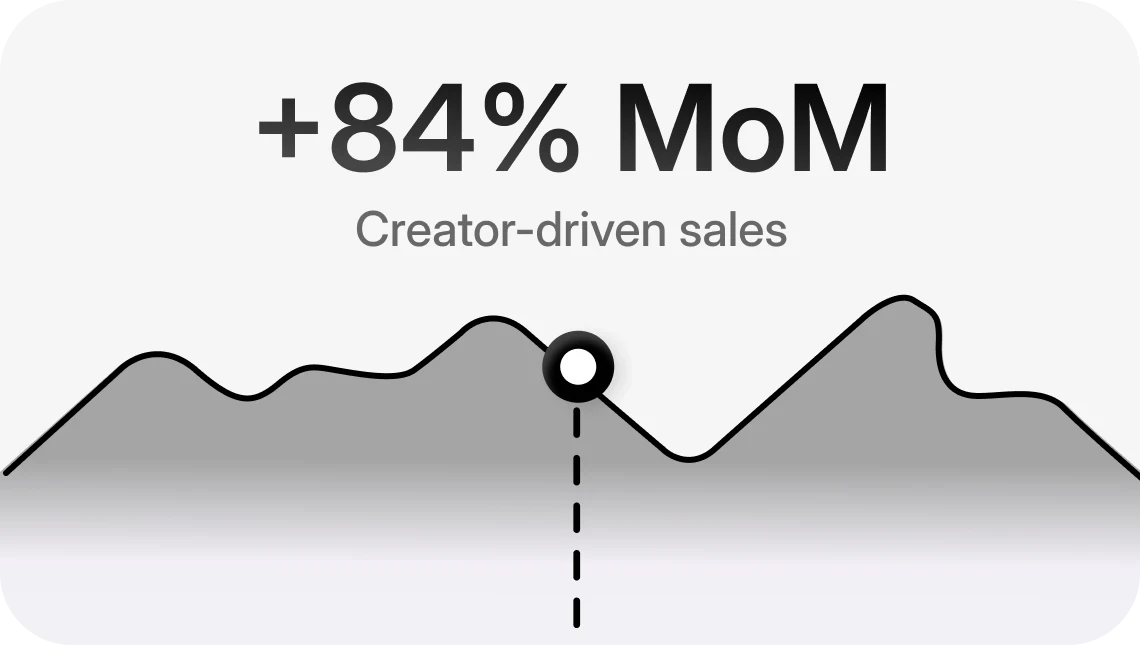
Revenue attributed to ambassador content grew 47% quarter over quarter, with the top 15% of creators generating 58% of total program revenue.
The influencer marketing manager reduced weekly manual tracking time from 20 hours to approximately 4 hours, freeing capacity to focus on creator relationship development and campaign strategy.
The brand also began embedding top-performing workout and recipe videos as shoppable content on product pages, which contributed to a 12% increase in on-site conversion rate for pages featuring creator content versus those without.
Frequently Asked Questions
How does creator collaboration software differ from influencer discovery platforms for fitness brands?
Influencer discovery platforms help you find fitness creators based on audience demographics, engagement rates, and niche. Creator collaboration software picks up where discovery ends — it manages the ongoing operational relationship including campaign briefs, content delivery tracking, approval workflows, asset storage, and performance measurement. For fitness brands running always-on ambassador programs, the collaboration layer is where most of the daily work happens.
Can I track content delivery across Instagram, TikTok, and YouTube in one place?
Yes. A purpose-built creator marketing platform consolidates content delivery tracking across all major social platforms into a single dashboard. For each campaign brief, you can see which creators have delivered on which platforms, what is pending, and what has been approved — without switching between platform-native tools or maintaining separate tracking spreadsheets.
How do fitness brands measure ROI on ambassador programs beyond engagement metrics?
The most meaningful ROI metrics for fitness ambassador programs are revenue per creator, cost per acquisition, and conversion rate. By connecting creator content delivery to affiliate sales data, discount code redemptions, and shoppable content conversions, brands can calculate the true commercial return of each ambassador relationship — not just likes and comments.
What is the best way to handle content approvals for large fitness ambassador programs?
Centralized approval queues are essential once your program exceeds 20–30 active creators. Each submitted piece of content should appear in a review queue with the associated brief requirements visible alongside it. Brand managers approve or request revisions directly within the platform, and creators receive instant notifications. This eliminates the back-and-forth of email and DM-based approvals that slow down campaign timelines.
How can fitness brands repurpose ambassador content for paid advertising and on-site experiences?
When all delivered creator content is stored in a centralized asset library with proper tagging and usage rights documentation, repurposing becomes straightforward. Marketing teams can search by product, creator, content type, or performance metrics to find the best assets for paid ad creative, email campaigns, and on-site shoppable galleries. The highest-performing organic creator content often outperforms brand-produced creative in paid channels, making systematic repurposing a significant revenue lever.